
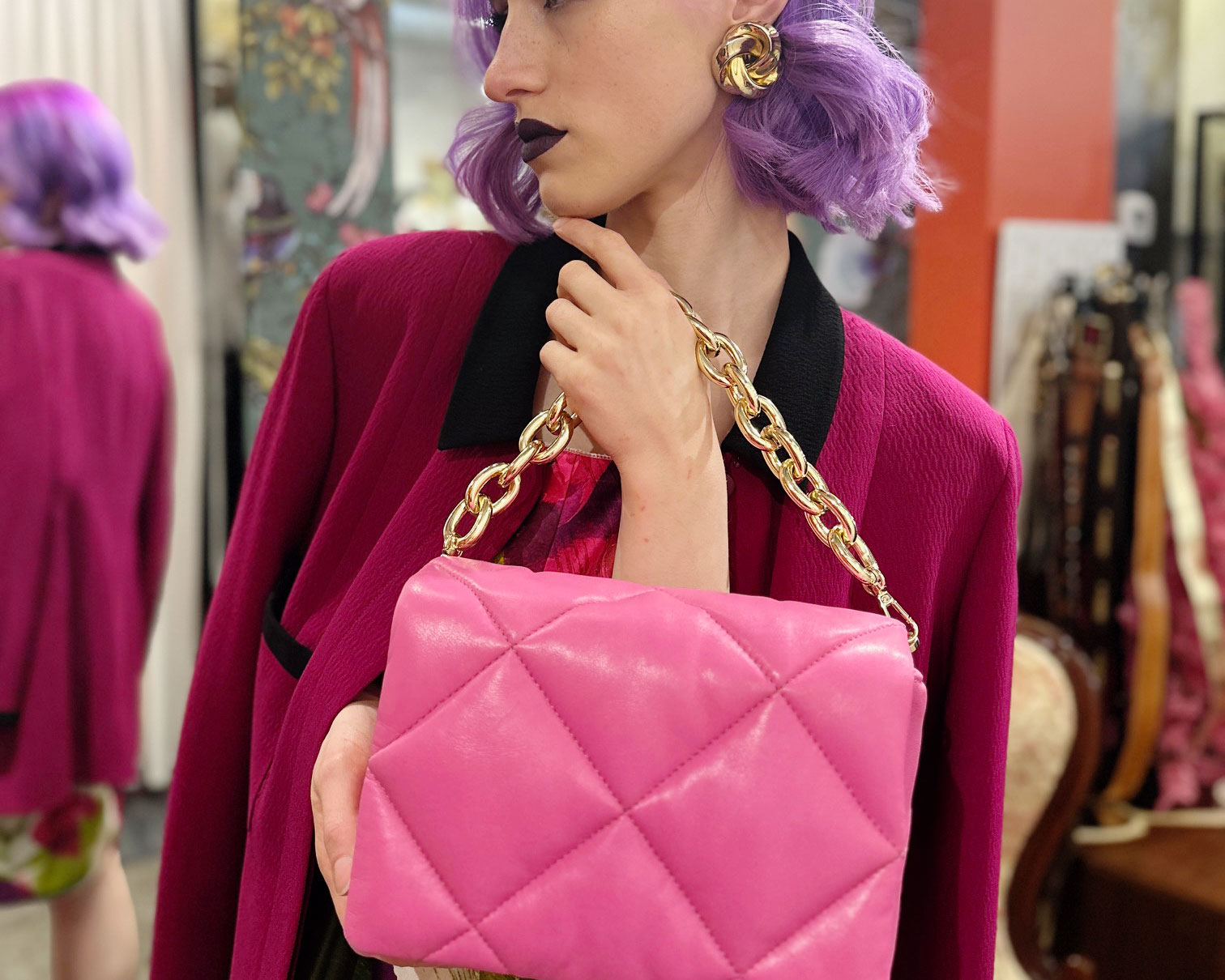
Editorially speaking, fashion is always a moving target. From skinny jeans to baggy pants, how we dress is constantly evolving. As much as we move trends forward, we are also looking back at styles that have already come and gone (Cargo pants, anyone?). But one trend really taking root in 2026 isn’t just about recycling styles, it’s about recycling clothes. Vintage and second-hand clothing is here in a major way this year.
“We try to have as much focus on sustainability as we can, but a lot of people are like, ‘I just want vintage,’” says Danielle Ferchoff, co-owner of Violets on Whyte Avenue. Her shop sells new and second-hand items, but it’s the vintage clothing that everyone is really looking for.
Zachary Kahler, owner of vintage clothing shop Alexander and Rose, has seen a similar trend. Kahler’s business started as an Instagram and pop-up shop, but it has grown into a brick-and-mortar shop in the Oliver Exchange building.
Both he and Ferchoff point to environmental concerns and growing awareness of the damage of fast fashion as reasons for the rise in second-hand clothing, noting that economic factors and a growing frustration with poorly constructed clothing likely also play a role.
“People want to know their clothing will last, and they want to know where it’s made,” says Kahler.
Angela Larson, owner of Swish Vintage on 124 Street, concurs.
“Shoppers are definitely looking for quality pieces, pieces that will last longer than the typical ones found in fast fashion,” she says. “Customers are definitely more likely to spend a bit more money in order to get an investment piece that will last longer and be a classic.”
The second-hand clothing market is expected to outpace fast fashion by 2028, meaning those items taking up space at the back of your closet may have a lucrative second life. And the fashion of yesteryear might come back more and more frequently.
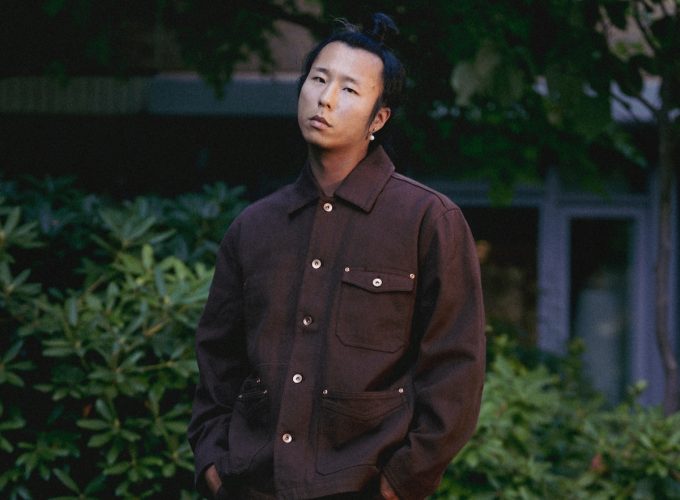
For this year, Y2K and turn-of-the-millennium fashion remains a trend, with shoppers seeking out 2000s-inspired pieces, including the return of low-rise jeans (which none of the millennial shop owners I spoke to seemed thrilled about) and oversized pants and workwear, like chore coats.

“Fashion is always cyclical, so you see things kind of coming back in, from different decades. I think right now, over the last like six months, I’ve seen a lot more ’80s and ’90s influence,” says Kahler. “You’re also seeing a lot more oversized looks, especially in men’s fashion.”
Fur continues to be popular — which especially makes sense in Edmonton winters — and shoppers are consistently turning to vintage shops for these pieces.
“Two years ago we could barely give them away, and this winter season, we can’t keep them in stock,” Larson adds.
Regardless of which decades are trending, the draw to vintage for many shoppers represents the opportunity to own something unusual and timeless, that you just can’t find online.