

“It feels like we put a lot of our eggs in the event-space basket, versus the 24-7-vibrancy basket,” he says. “There is other work we could be doing that would have a broader benefit across the entirety of downtown.”
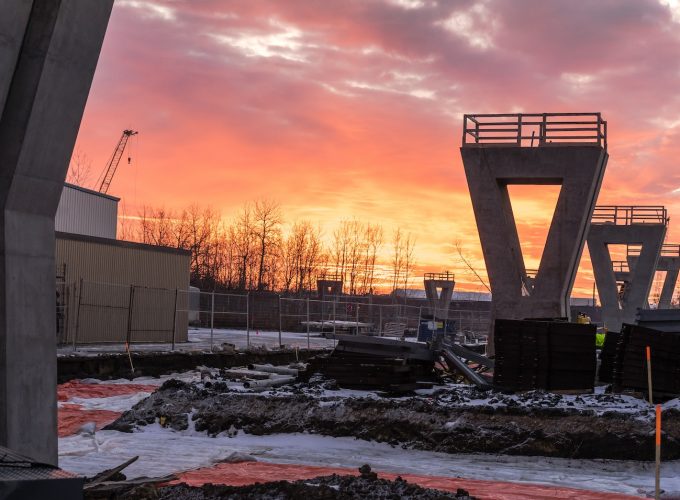
He cites the 1.8-hectare, $46.8-million O-day’min Park as the shining example of how a community revitalization levy can be used effectively. The park, which opened last November, is busy, even in winter. He credits the space with encouraging 1,600 new permits for nearby residential units. “That is a great example of something very tangible that had a huge impact and will further contribute to the work needed to bring more people to live downtown,” he says.
But such deals come with risk. The other two such levies have not performed as well. The Quarters CRL, for instance, is seeing some positive returns, but the latest report from the city shows a shortfall of $63.6 million projected over the 20-year term, with five years remaining.
Knack remains convinced that community revitalization levies are good tools when used wisely, but once again a lot of the investment from the Downtown CRL extension will benefit Oilers Entertainment Group, with money going towards a public event park beside Rogers Place and infrastructure improvements to allow a potential 2,500 new housing units north of Ice District. He would rather see money go into housing options beyond Ice District and to smaller projects that help small businesses — creating the streetscapes and connectivity that bring more people, including families, to live downtown. The 24-7 vibrancy downtown so desperately needs. But CRL funding is reserved for only those projects specified in the plan.
Beyond that, Knack wants to see Edmonton get its due when compared to our southern neighbour. “Calgary received $330 million for their downtown arena and entertainment space; we have received about $180 million, so we’re still
$150 million short,” he says. “That’s where I would like to focus my advocacy efforts, and then use that money to help advance some of the other things we could do.”
This article appears in the October 2026 issue of Edify