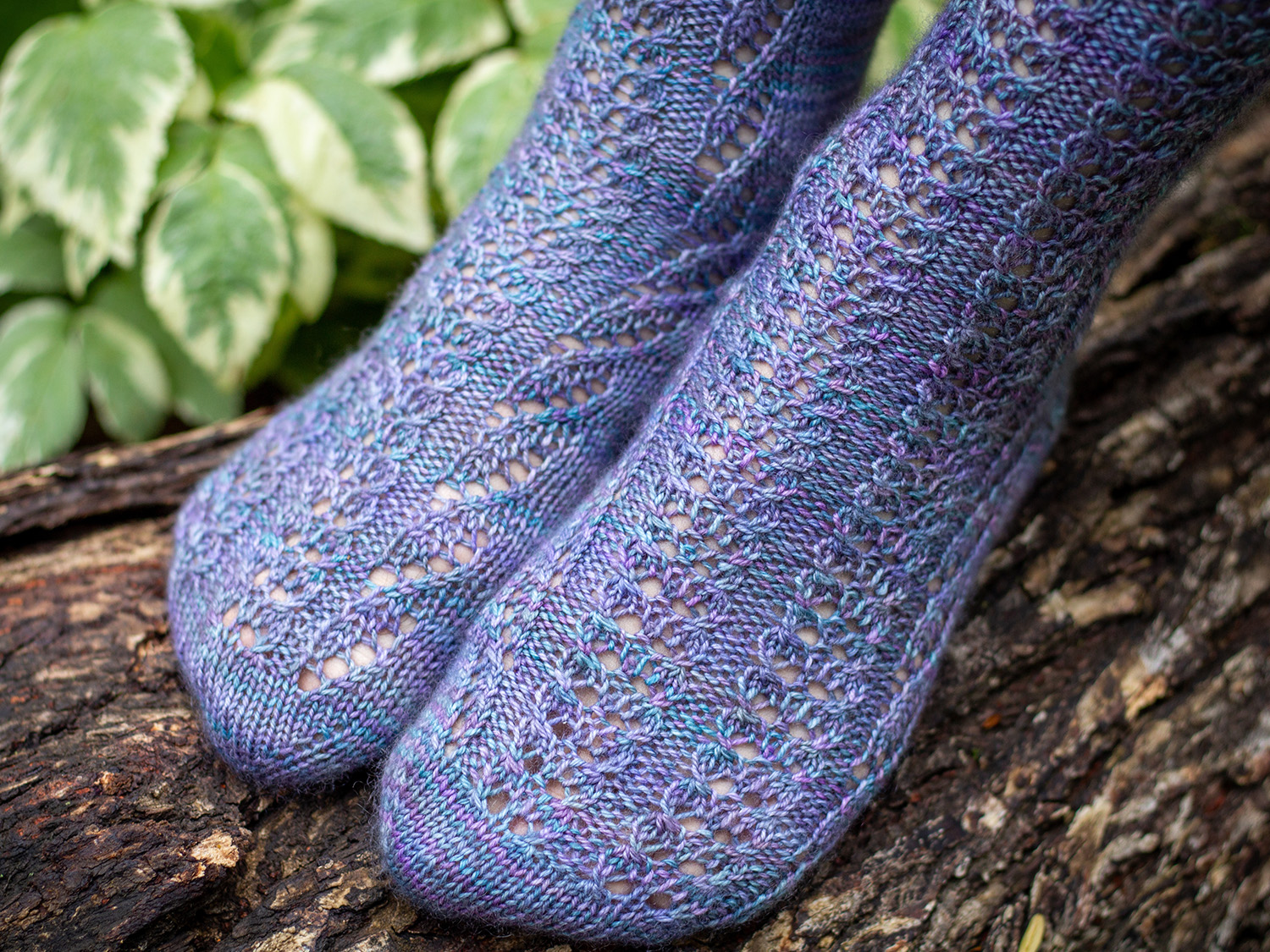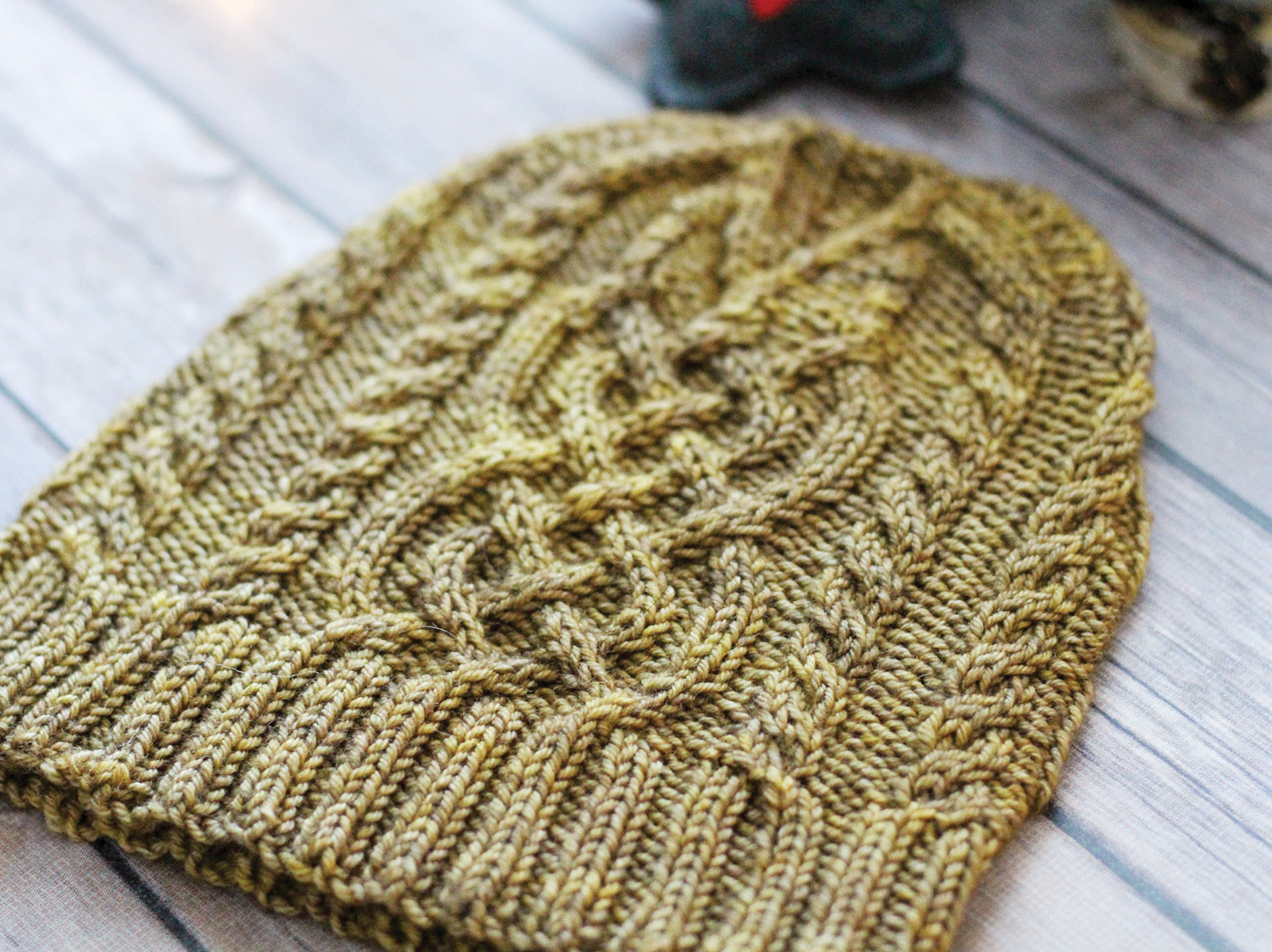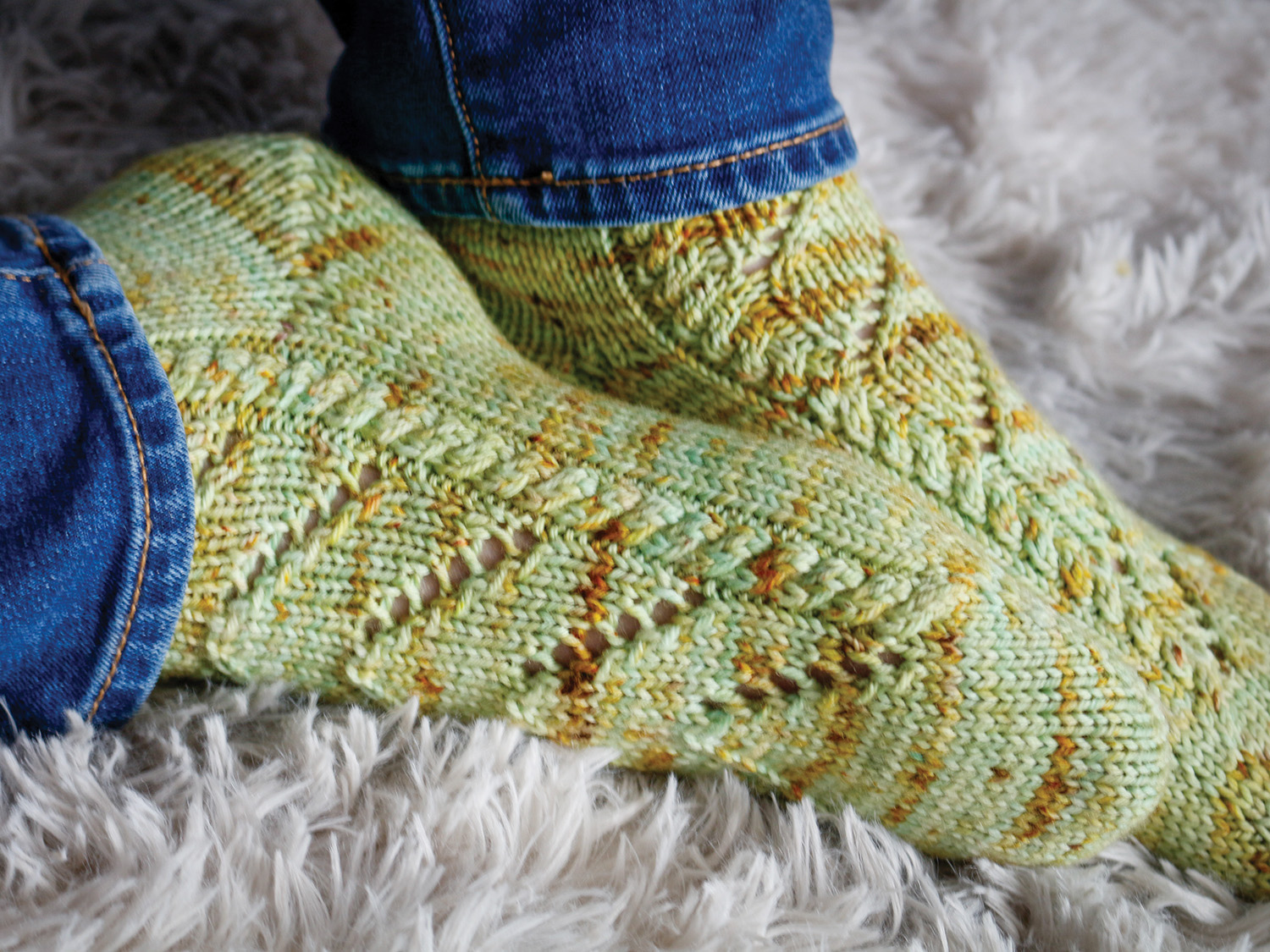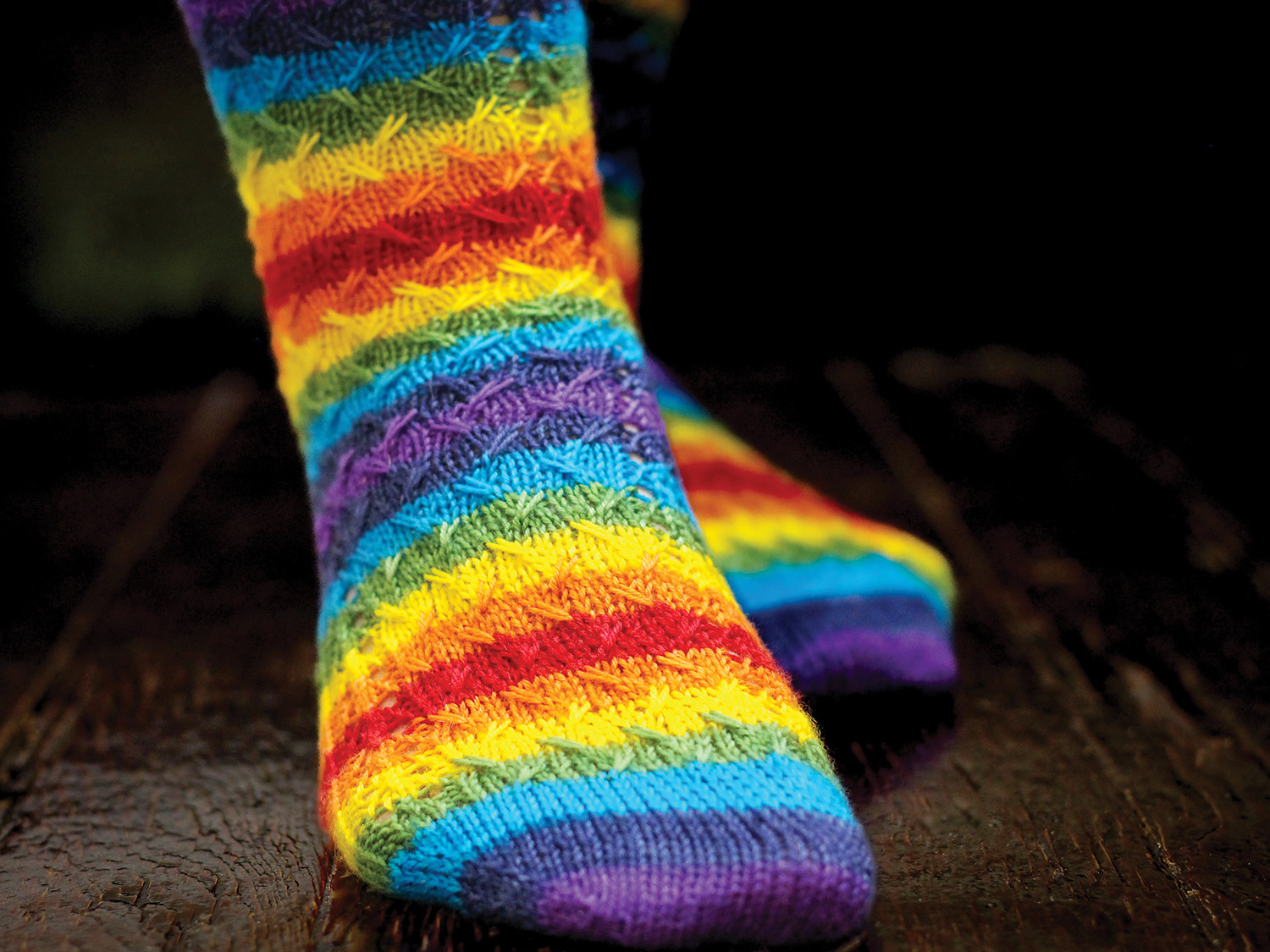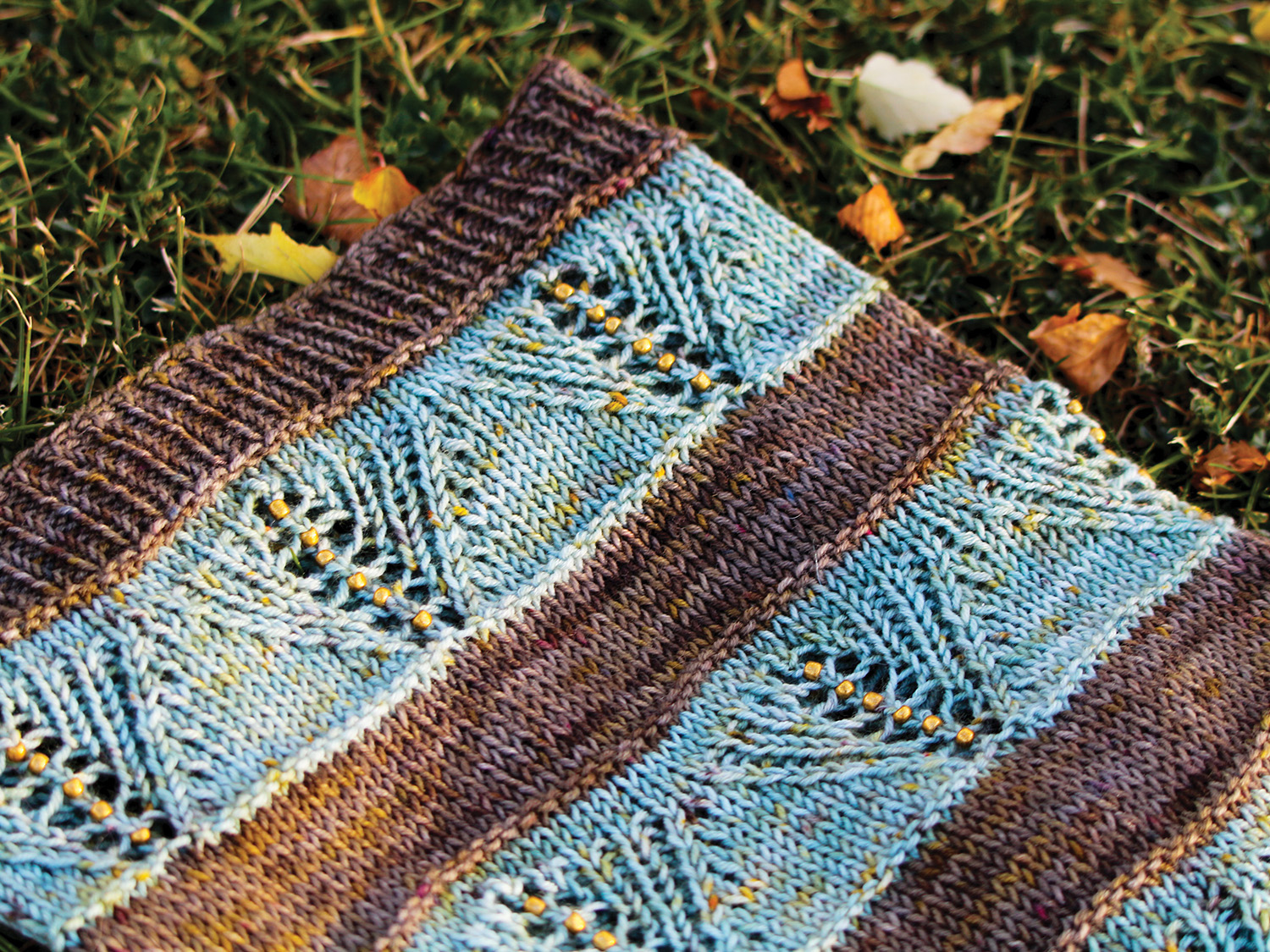

I don’t think she ever imagined that the little skill she was teaching me would become so deeply ingrained in almost everything I do,” Melinda Measor says of her grandmother, Alice. As for the skill — it’s knitting. Her grandmother originally taught her how to knit and purl to help her sit still when she was anxious, but Measor has taken the lessons and turned them into an art form and a business, rhyFlower Knits.
Before the advent of modern technical fabrics, the best way to stay warm was good old-fashioned knitwear. Despite advancements in automation and production technology, it’s still one of the best options. Unlike mass produced garments, there’s also a personal touch in the ability to make clothing at home.
“When I see knitwear on other people, in public, on television or wherever, my brain immediately starts trying to dissect how it was made,” Measor, whose official title is technical editor and knitwear designer for rhyFlower. “Sometimes I’ll catch myself staring at someone’s sweater and remind myself that I’m supposed to be admiring the sweater rather than reverse-engineering it!”
After getting down the basics of knitting she began to experiment with construction and, important for creating a knitting pattern, mathematics. That’s how you turn a two-dimensional pattern into a three-dimensional garment. It becomes more complicated as you add more decoration, whether that is texture or colour. Eventually her experimentation led to her releasing her first pattern online — orange, teal, cream and brown socks called Irish Whiskey — and her business was born.
While you can knit anything you design a pattern for, Measor’s website focuses on cowls, hats, shawls and socks, and her patterns feature her takes on standard styles of ornamentation. Fair Isle, for example, is a method of creating a row with two colours, while cable is a method of crossing stitches to create a raised design.
That ornamentation is important to Measor’s process, and she says she often starts with a design she finds interesting rather than the finished object in mind. “I think of the early stages as a conversation between the idea in my head and the actual knitting. The yarn has a vote too since it behaves in unique ways depending on the stitches you’re using,” she says. And she has no problem ripping something apart and starting again if it isn’t going the right way.

Designing a pattern isn’t as simple as generating one finished product from it. There’s a long process before Measor deems the designed pattern fit to be released to the public. She makes the first version of a piece herself, afterward it goes through the technical editing process to check the mathematics, stitch counts, shaping, charts and written instructions. After that, test knitters use those instructions to recreate the piece to ensure the instructions are clear to someone who didn’t write them. “It’s really a team effort,” Measor says. “A good pattern isn’t just one that is technically correct, it’s one that allows another knitter to understand the designer’s intentions and successfully create the same thing.”
If you are a curious beginner, Measor says to let your interests guide you, as boring beginner projects could put you off. She says if a pattern has appeal, to give it a shot even if it’s more technically difficult. With some research you can find a guide that explains the technique well enough to follow.
“Designers aren’t simply writing down what they did while they knitted. They’re figuring out how to communicate a three-dimensional, physical process through words, numbers and symbols so that someone else can reproduce it,” she says. “When you pick up a well-designed knitting pattern, you’re holding the result of a lot of invisible work. I think that’s pretty special.”
This article appears in the October 2026 issue of Edify