
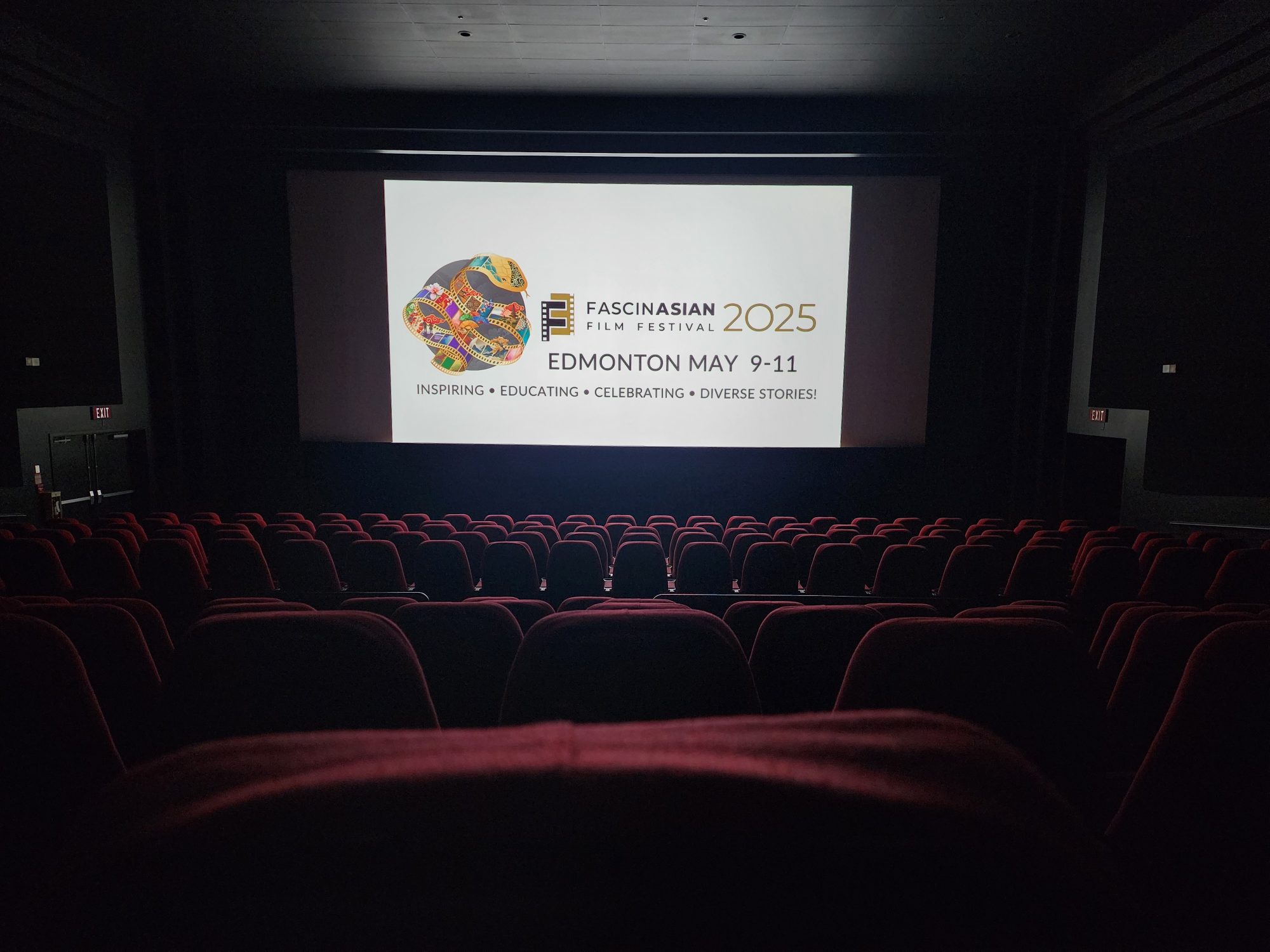
The FascinAsian Film Festival is coming to Edmonton, bringing with it a vibrant lineup of films that highlight Asian-Canadian and Asian-American stories. Originally founded in Winnipeg and later expanding to Calgary, FascinAsian makes its Edmonton debut this year with film screenings, artist talks and community gatherings this May.
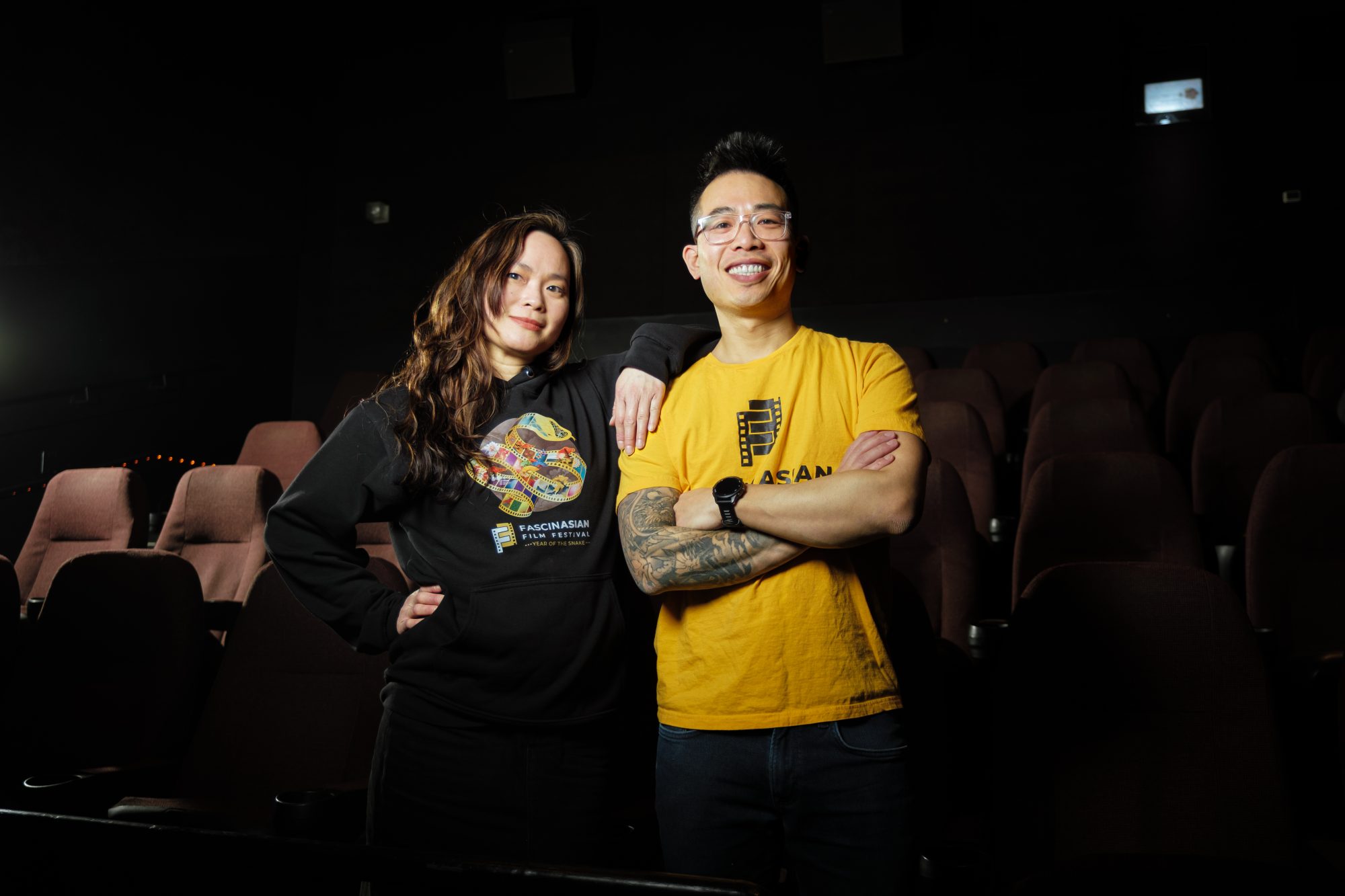
“You see (similar film festivals) in big cities like Toronto, and Edmonton is a big city — it’s thriving — so why don’t we have (an Asian film festival)?” Su Chau, co-director of the festival, says. “We are a festival city, so it’s nice to amplify Asian storytelling. It’s just powerful. It’s beautiful.”
The festival celebrates the work of Asian-identified filmmakers and creates a space for underrepresented voices to connect with audiences in meaningful ways. This year’s programming includes a curated mix of short and feature-length films that explore everything from intergenerational grief to community advocacy and food traditions. Albertan filmmakers are well-represented, and are behind feature film Lucky Star and shorts Lola Was Here and The Azure Dragon of the East.
For festival co-director Shawn Tse, it’s the deeply personal storytelling that makes this year’s selections so compelling.
“When we talk about the Asian Diasporic experience there’s certainly so much to unpack, especially within a western and eastern mixed experience between families and generations,” Tse says. “And so there just certainly is no shortage of tension that can exist in the multiple worlds and viewpoints.
“We have this generation of filmmakers that are vulnerable to share that on the big screen,” he says. “To bring that to audiences, for audiences to embrace that, take that home and maybe have a dialog about some really truthful things that may be difficult to share.”
The festival’s lineup offers a grounded mix of personal stories and place-based filmmaking. Edify takes a look at the Albertan films screening in this year’s program.

Lucky Star is a poignant exploration of the personal and moral dilemmas faced by Lucky, a reformed gambler who returns to the poker tables after a devastating tax scam. At the heart of the film is Lucky’s complex role as a father and husband, as he struggles to reconcile his ambitions with the responsibilities he owes to his family.
Director Gillian McKercher weaves a narrative shaped by her own cultural history, particularly focusing on themes of family duty, redemption and sacrifice. The story goes beyond Lucky’s personal flaws to highlight the broader impact of his choices on his wife and children. His struggle to balance his desire for personal redemption with his role as a provider and protector exposes the delicate dynamics of familial love and the personal costs of chasing ambition.
The film also delves into moral ambiguity, portraying Lucky’s return to gambling as a desperate yet understandable response to the pressures of providing for his family. His decisions aren’t presented as purely selfish or redemptive but as part of the nuanced, often painful choices many face in the pursuit of survival and success.
Through intimate cinematography and a subtle score, Lucky Star underscores the emotional weight of these familial struggles. It asks tough questions about what it means to be a good father and husband when personal failings collide with the desire to do right by those you love. Ultimately, Lucky Star is less about a man’s path to redemption and more about the compromises we make to keep our families together, even when the cost is high.
Lucky Star is unmistakably a Calgary film — from casual shots of Calgary Stampede posters to mentions of local hangouts, like Southcentre Mall. The city’s distinct mix of Western and Asian influences subtly informs the characters’ actions and struggles, grounding the film in a real, relatable experience for viewers familiar with the region’s socio-cultural dynamics.



The Azure Dragon of the East explores the Chinese-Canadian experience through the vibrant lens of Edmonton’s Chinatown. Directed by Jordon Hon, this film weaves together themes of cultural identity, community struggle and intercultural solidarity. By focusing on the mural work of local artist BusyRawk, the film gives voice to the historical and ongoing challenges faced by Chinatown communities while also celebrating their resilience and cultural contributions to the city.
Hon’s connection to his subject matter is deeply personal, and this is evident in the way the film captures the essence of Chinatown as both a cultural and political space. His approach to storytelling brings attention to how cities and policies have shaped these communities, often in exclusionary ways. Edmonton, as the film’s backdrop, is more than just a setting — it’s an active participant in the narrative.
The film’s local roots are essential to its authenticity. By centring the story in Edmonton, The Azure Dragon of the East highlights the significance of the city’s Chinatown not just as a geographical area, but as a cultural cornerstone for Asian-Canadian identity. It’s an invitation to viewers to recognize their own city’s history and the communities that have long been overlooked.
The Azure Dragon of the East is not only a compelling short film but a celebration of Edmonton’s Chinatown and its communities. By spotlighting local artist BusyRawk and his mural, the film encourages reflection on the complexities of belonging, tradition, and resilience in the face of adversity. Through its unique and localized perspective, the film calls for greater understanding and solidarity within Edmonton’s diverse cultural tapestry.



Lola Was Here is a tender, food-soaked short film that explores grief and the fragile threads of family tradition through the deceptively simple act of making lumpia — a Filipino spring roll often served at family gatherings and celebrations. Co-directed by Edmonton-based duo Cynthia Jimenez-Hicks and Janice Saxon, the film turns a shared love for storytelling and spring rolls into a meditation on what we inherit — and what we struggle to carry forward.
Rooted in the Filipino and Vietnamese-Canadian experience, the film captures the emotional weight food can hold in diasporic households. The act of reaching for the last frozen lumpia becomes a reckoning: with Lola gone, who takes up the mantle? And can tradition survive if it means constantly stirring the pot of loss? Shot in Jimenez-Hicks’s mother’s kitchen, the film is intimate in both setting and tone, grounded in real-life memories and the sensory nostalgia of sizzling oil and rolled wrappers.
As an Edmonton short, Lola Was Here’s hyper-locality is its strength. It’s specific, deeply personal and all the more resonant for it. For Edmonton audiences, there’s a familiarity to the film’s setting and sensibility, from the kitchen tile to the generational push-pull of language, memory and food.
Lola Was Here is about how love lingers in kitchens, in recipes passed down by hand and in the quiet determination to keep traditions alive — not perfectly, but lovingly.
FascinAsian Film Festival runs in Edmonton from May 9 to 11 at Landmark Cinemas in City Centre Mall, featuring four feature films and 15 shorts. The festival will also feature a variety of additional programming throughout the weekend, including workshops and panel discussions.
Individual tickets are $10 for seniors and youth, and $12 for adults, with full FascinAsian Film Festival passes available.