

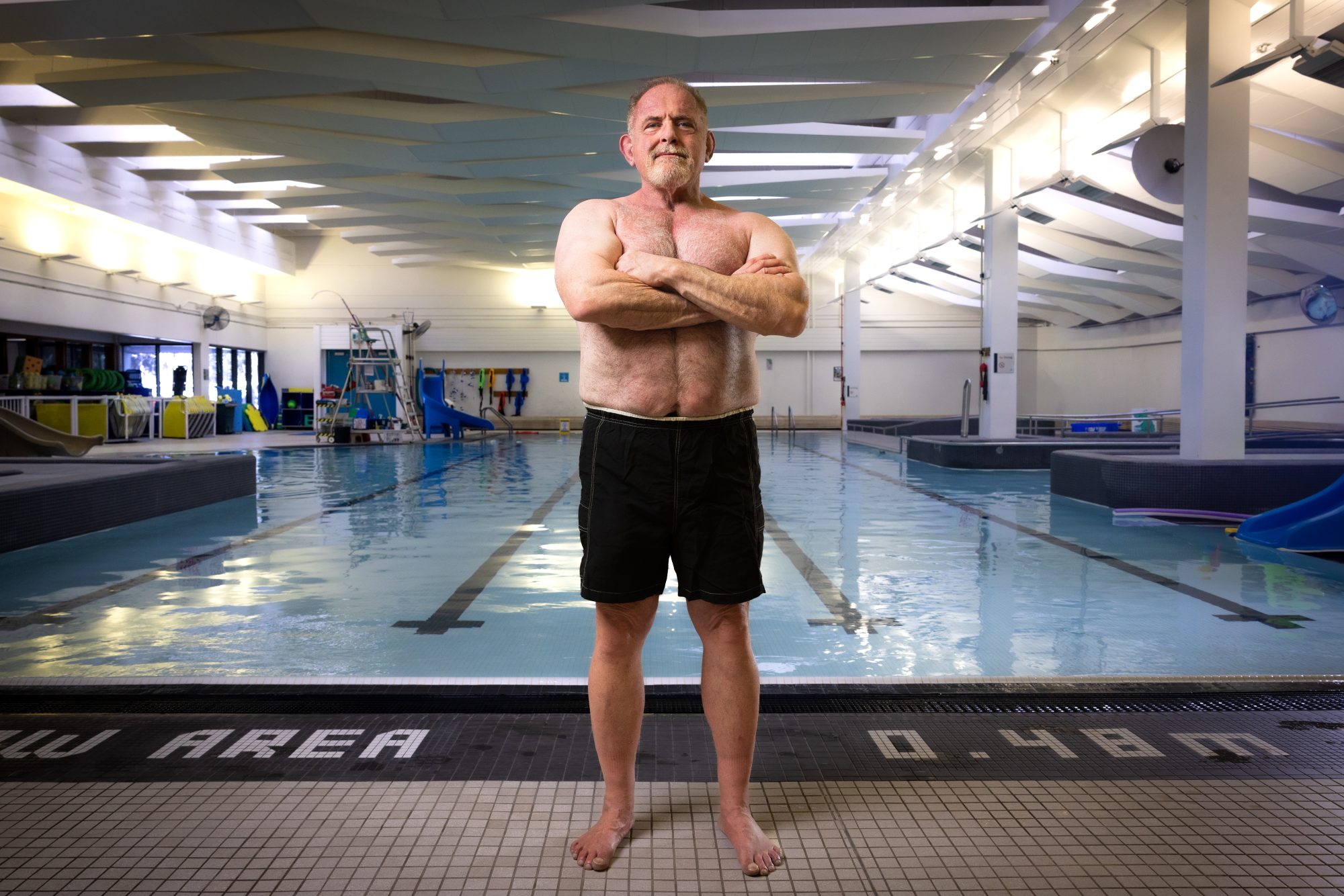
Speaking to Dr. Robert Agostinis today, it’s hard to imagine that just over four years ago, he was almost completely paralyzed. For weeks, he couldn’t even speak — making his incredible story all the more powerful.
In 2021, Agostinis suffered a mysterious illness, ultimately leading to the diagnosis of anti-neurofascin syndrome, a rare autoimmune disease. At the time, he was told he was only the 17th person in the world diagnosed with the illness.
Stepping into the therapeutic pool at the Glenrose Rehabilitation Hospital for the first time, he says he felt like he was “defying gravity.” He credits the pool with aiding in his healing, reducing inflammation and improving his mental health. He told the health-care workers at the Glenrose, “When I’m better, I’m gonna help you guys out.” Now, that means fundraising to get the Glenrose a new pool. For all the help it provided Agostinis and patients like him, it’s been closed since November 2024 and is in desperate need of an upgrade.
“The therapeutic pool was amazing,” Agostinis says. “It just felt like the water was basically massaging every muscle I had.”
For recreational therapist Pam Russ, the closure of the therapeutic pool has been a huge loss. Over her 20 years of working at the Glenrose, she’s seen the way the aquatic centre aids her patients’ healing.
Patients participate in activities like aquafit and aqua-jogging, but what Russ sees as truly transformational goes beyond the physical healing that the pool facilitates — socially, emotionally and psychologically.
“Patients come to the pool with different goals, often joined by family members who take part alongside them. Together, they work on exercises while also enjoying the water for play and leisure. It might be something simple, like throwing a basketball, but they’re also building strength and flexibility,” Russ says.
As Russ puts it, “water doesn’t need to be adapted.” Water removes pressure and helps ease patients into movement again — and it helps them return to an activity they enjoy, one they can continue to do once they’ve been discharged from the hospital and are living in the community again.

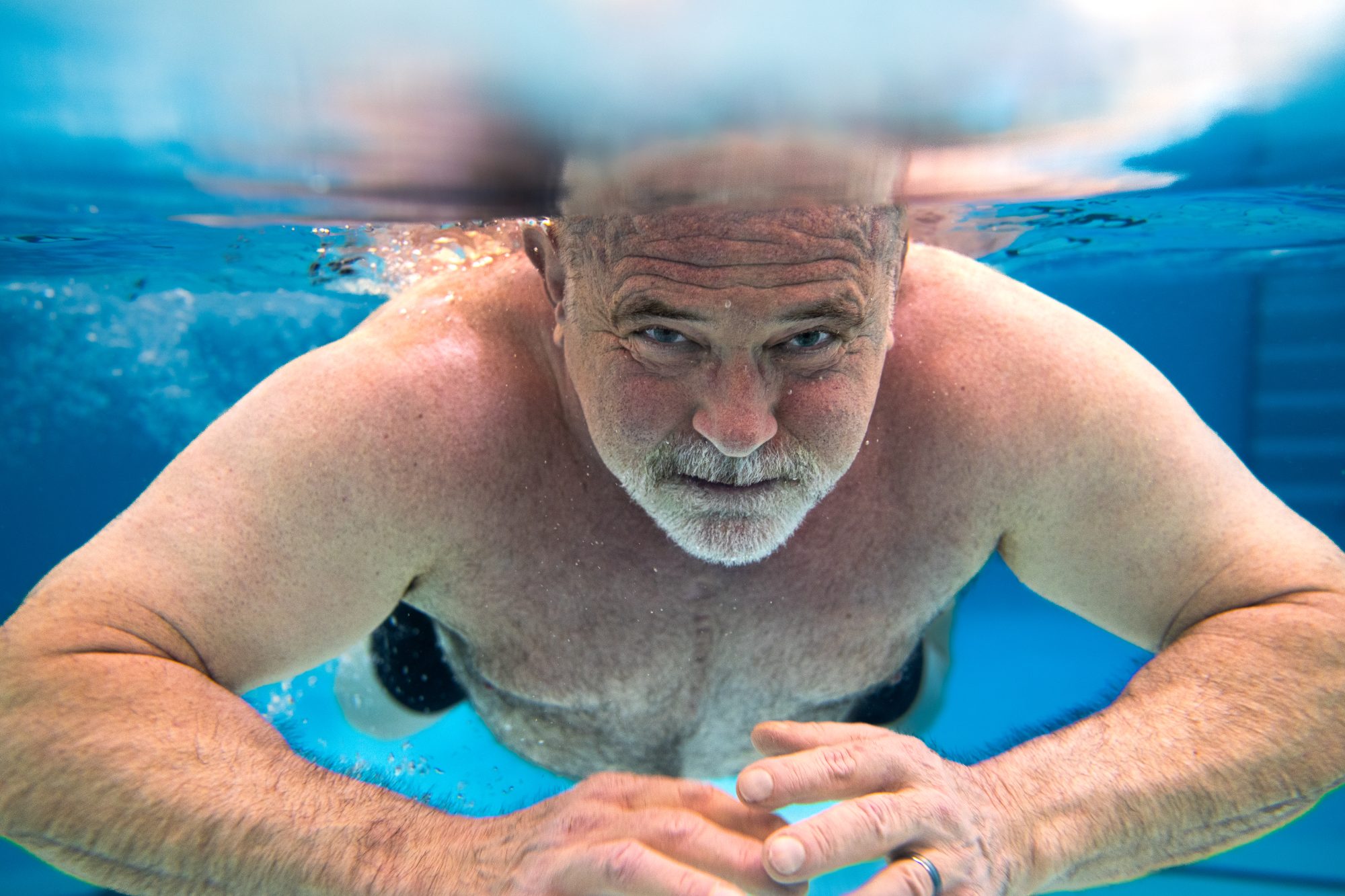
Today, Agostinis can leg press 1,200 pounds. He still lacks sensation at times, but has returned to almost all of his normal activities — cooking, running and driving. He’s retired from practising medicine, and is looking forward to hiking in Jasper again soon.
The Glenrose Hospital Foundation is raising $6.5 million to support the redevelopment of the therapeutic pool, which closed due to a structural failure. Kicking off the capital campaign is the Courage Gala on April 18, supporting the vital work of aquatic therapy.
Donate at glenrosefoundation.com/donate-now