
It doesn’t matter to Perry Stothart if you come to him with a curated magazine image or an AI-generated plan for your backyard.
Inspiration is inspiration — and it’s a good starting point when you’re revamping your outdoor space, says the certified horticulturist and marketing director at Classic Landscapes.
There is one caveat Stothart suggests, though: “You definitely want to bring in some sort of expertise.”
That’s because some of those beautiful trees you see on Instagram, for example, might not thrive in Edmonton’s climate.
When you’re redesigning a backyard — or starting from scratch with a new build — you first want to consider what you’re trying to achieve. Do you want the space to be a personal playground for kids? The perfect hosting oasis? Or a private sanctuary to enjoy the outdoors?
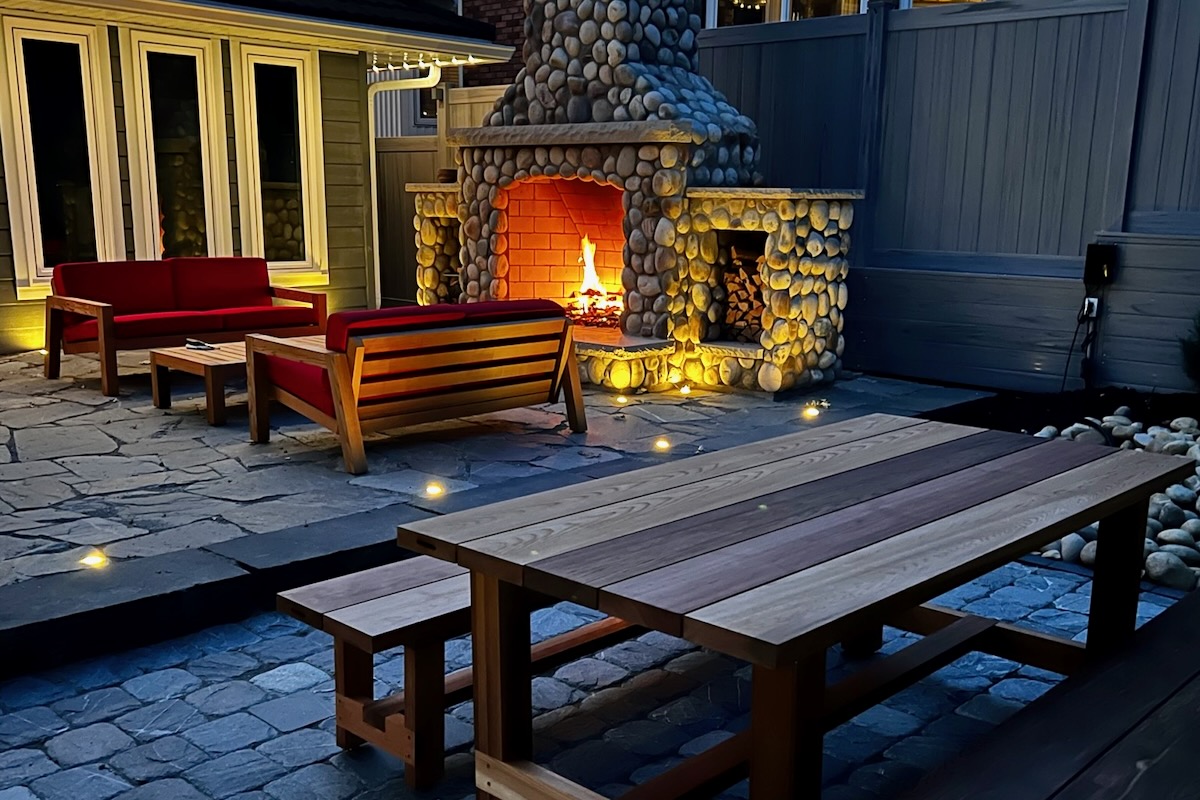
Something experts agree on: hardscaping — things like patios, pathways, retaining walls, or even fire pits and fences — comes first.
“Start with the most permanent feature of the yard,” says Julia MacDonald, who specializes in trees, shrubs and landscape design at Greenland Garden Centre. “The one that’s going to be impossible to move.”
Next up: trees. Currently trendy choices are flowering varieties, like muckle plum and princess kay plum.
They’re small, which fits well with new lots that tend to have less substantial backyards, and they’re less susceptible to the black knot fungus other flowering trees are battling, MacDonald says.
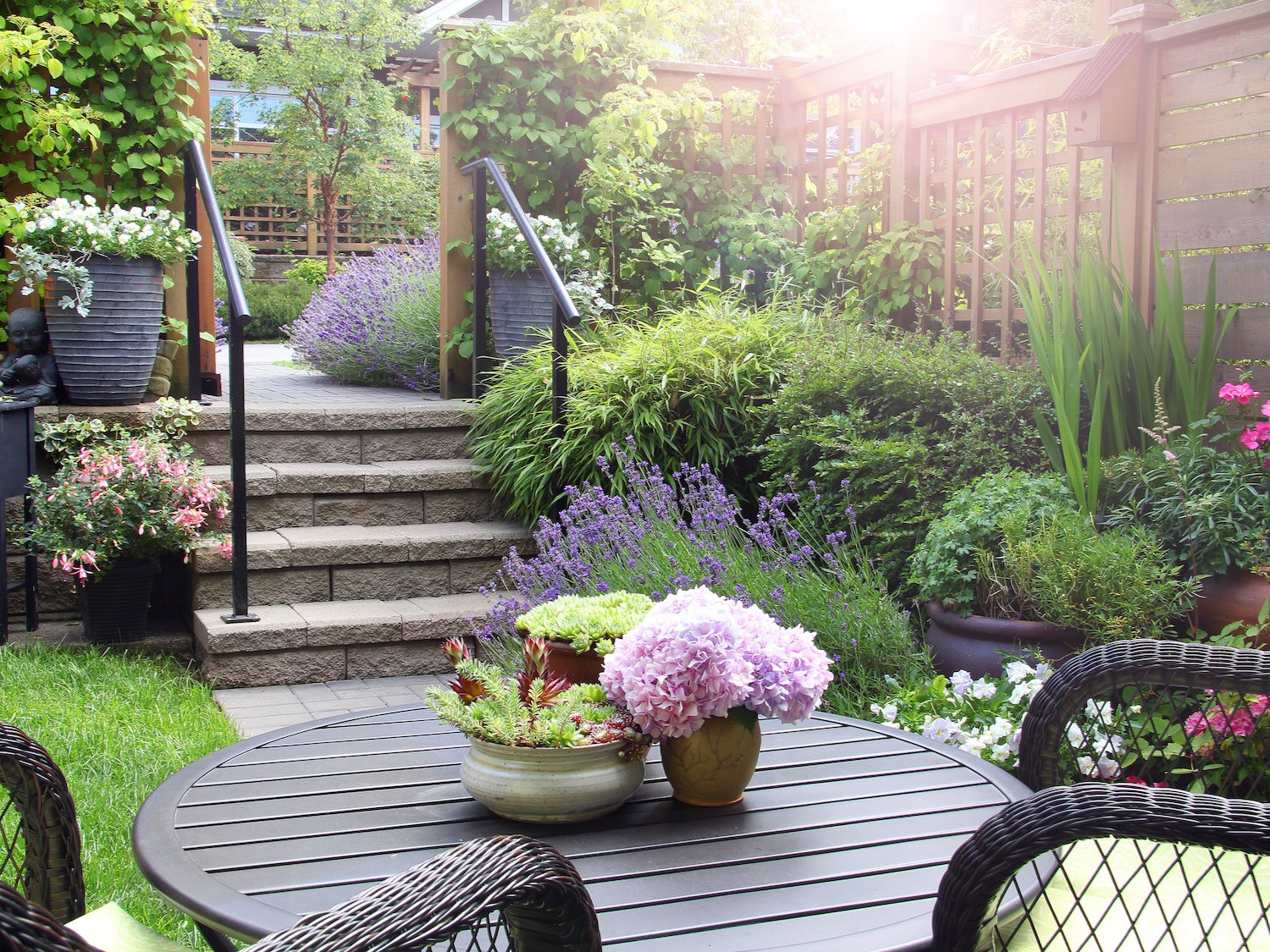
Another trend for those smaller lots is bushes and shrubs that create privacy. “That seems to be the biggest pursuit for most people,” she says. “Hydrangeas are very popular shrubs right now.”
The next step is laying out flower beds and creating landscape edging. “After everything is planted and the edging is in, you lay down your landscape fabric and do your rock or mulch to fill in the flower beds,” Stothart says.
MacDonald also has a hack for selecting local flowers.

“The best thing to do is look at what the cities and counties are using in their parks and on their boulevard plantings because if it’s growing there, it’s going to grow in your yard,” she says. “They’re choosing stuff that’s water tolerant. They’re choosing stuff that’s tolerant to salt and pollution and just doesn’t need a lot of work.”
Last in line is sod — or even artificial turf, which is becoming more popular.
“Artificial turf is low maintenance, especially if people have pets and you’re dealing with pet spots every spring,” Stothart says. “You are seeing houses now that are built a lot closer to the property line, so there’s a lot less space. The trade off is that grass does provide a cooling effect in the yard and provides oxygen.”
If you opt for grass, you want to make sure it’s last in place so that you can water it extensively without creating a muddy mess.
The key to all of these steps is starting early in the season, both so there’s enough time for your yard to fill out and so that it’s not in the heat of high summer.
“It’s 100 per cent possible to do within a season,” Stothart says. “And in fact, it doesn’t take very long, depending on the size of the project.”
That said, if you work on the project in stages to accommodate a budget, make sure you’re considering the order so you don’t have to, say, rip out a fence or redo part of your hardscaping to accommodate a new section, he adds.
It also can’t hurt to wait a season to observe your yard and come up with a plan, MacDonald says.
“Take the time to notice what’s happening in your yard during a season,” she says. “Before you make big choices, make sure you know where the sun is at different points in the season and see where water is gathering and then you can make really good choices for next year.”
Classic Landscapes
Ellerslie Industrial | 10008 6 Ave SW, Edmonton
23016 HWY 14, Sherwood Park
classiclandscapes.com
Greenland Garden Centre
23108 HWY 16, Sherwood Park | greenlandgarden.com