

Functionally, the Ringroses knew what they wanted: a place where it was comfortable to host friends and family, and where they could easily access the outdoors year round. “At the same time,” says Kjenner, “they didn’t want it to be — nor did they necessarily have the budget for it to be — a really huge place. So we had to determine how to direct the resources that they had to focus on the things that they wanted.”
Necessity, as they say, is the mother of invention. But constraint surely shares parentage. For Kjenner, balancing what the Ringroses wanted with budgetary and climate restraints became a generative challenge.
He started by keeping the square footage down to about 1,500. “Area is the best way to control budget,” says Kjenner, “especially if you want a quality project.” From there it was a matter of how to lay out the space.
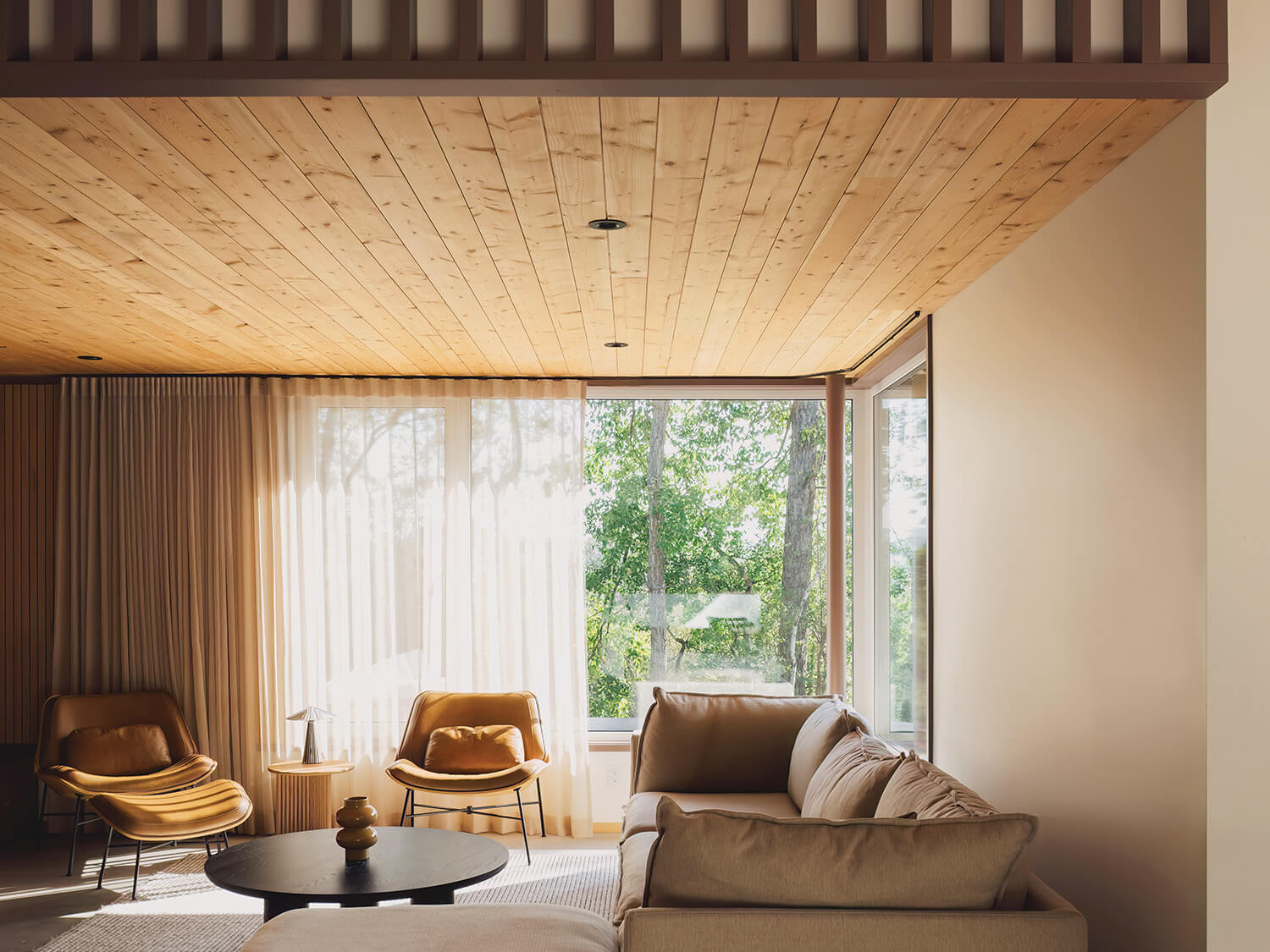
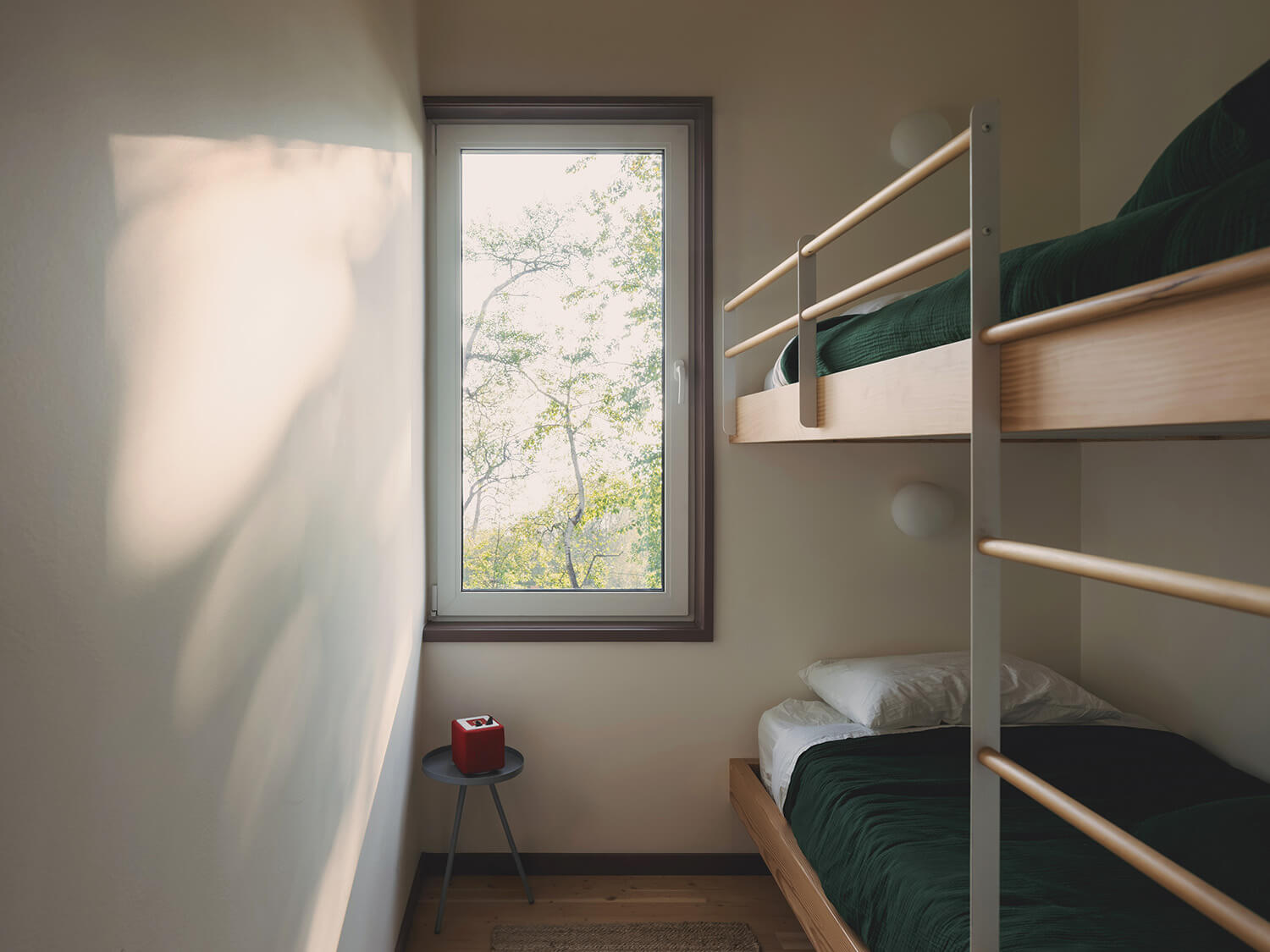
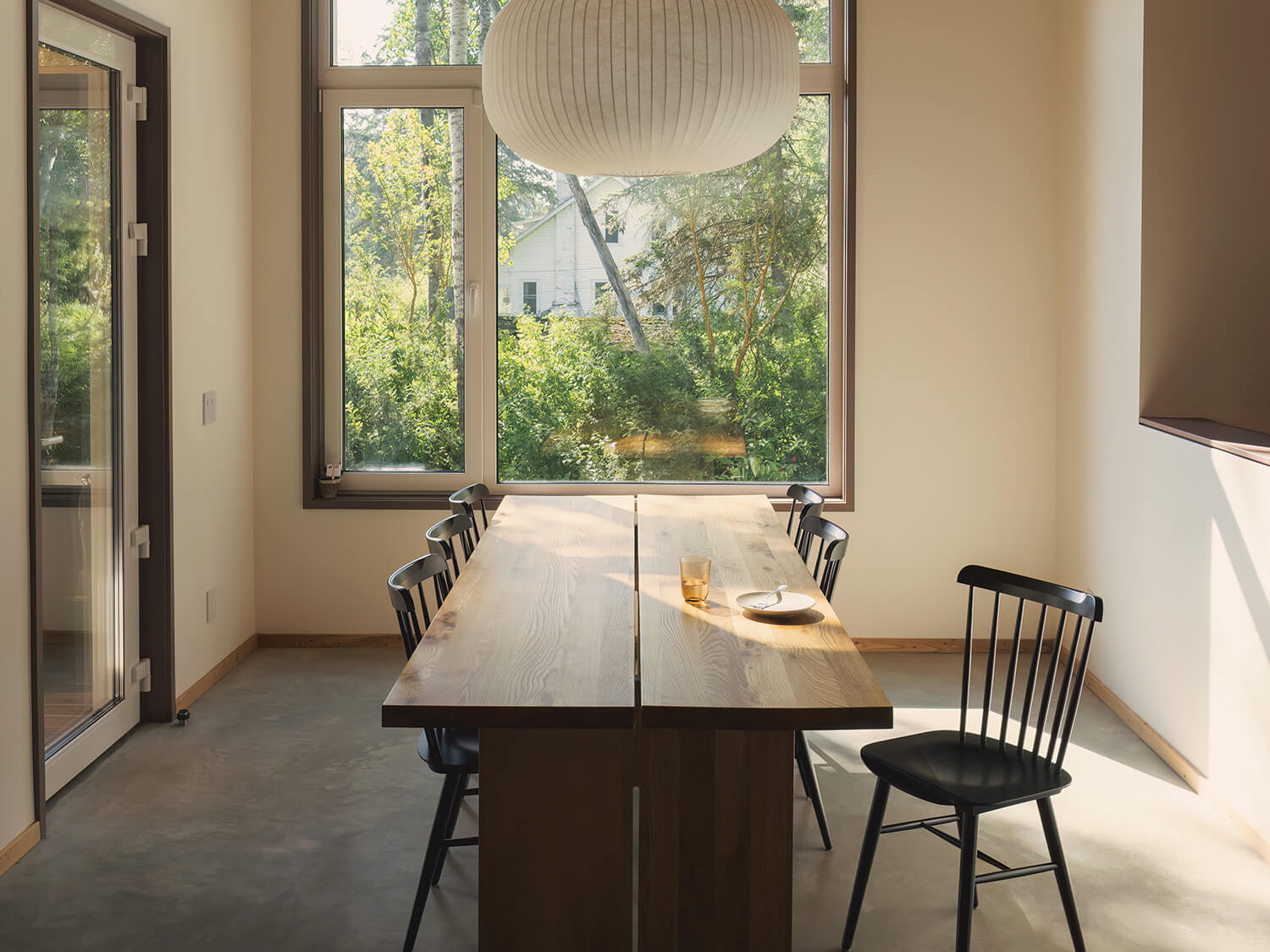
“It became obvious within two hours of talking that we were going to be generous with the living room, dining room and kitchen, because that’s what the function of this place is about, and we were going to be really efficient with the bedrooms, because you don’t go to a cabin in a beautiful location and hang out in bed.”
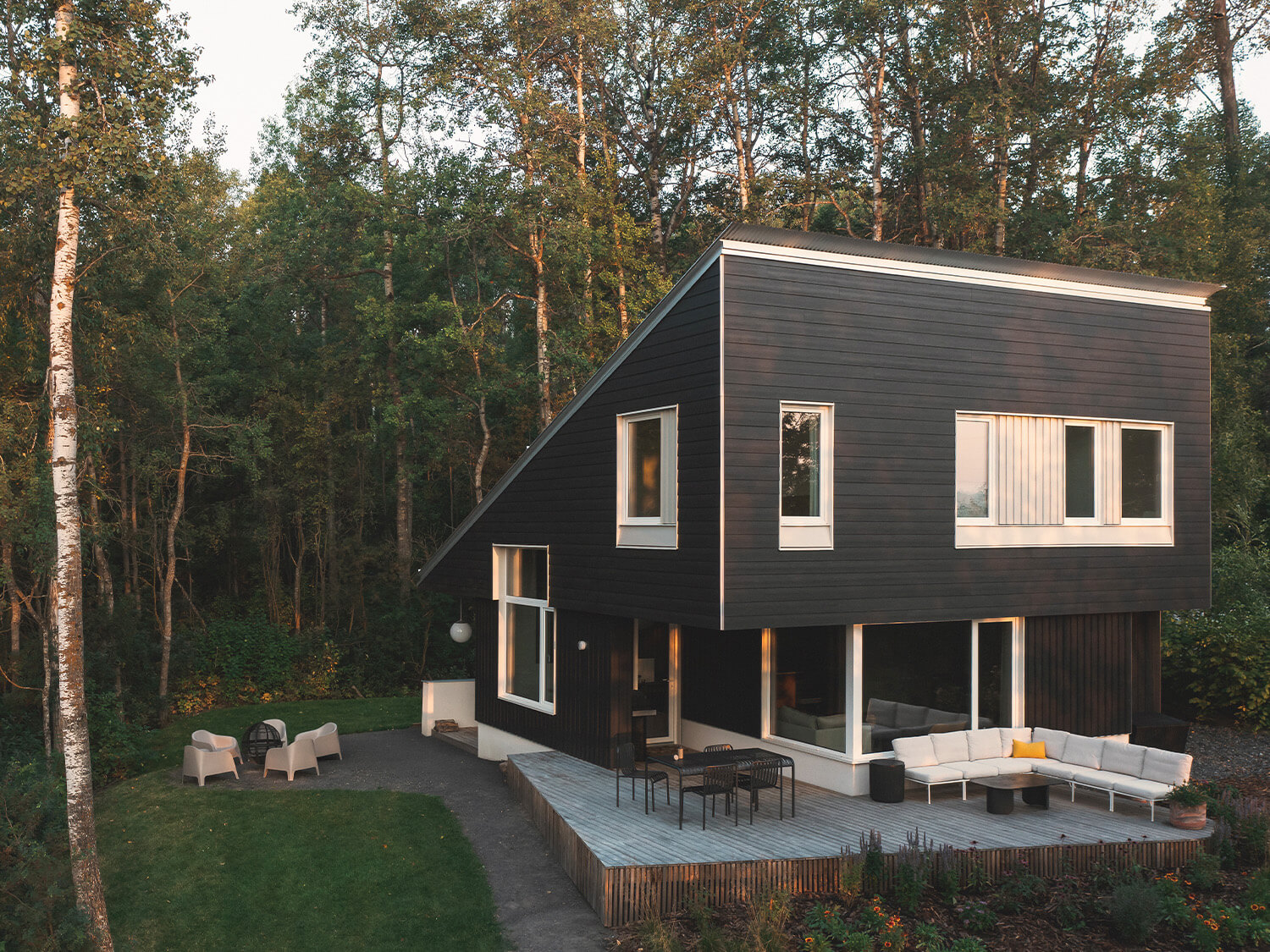
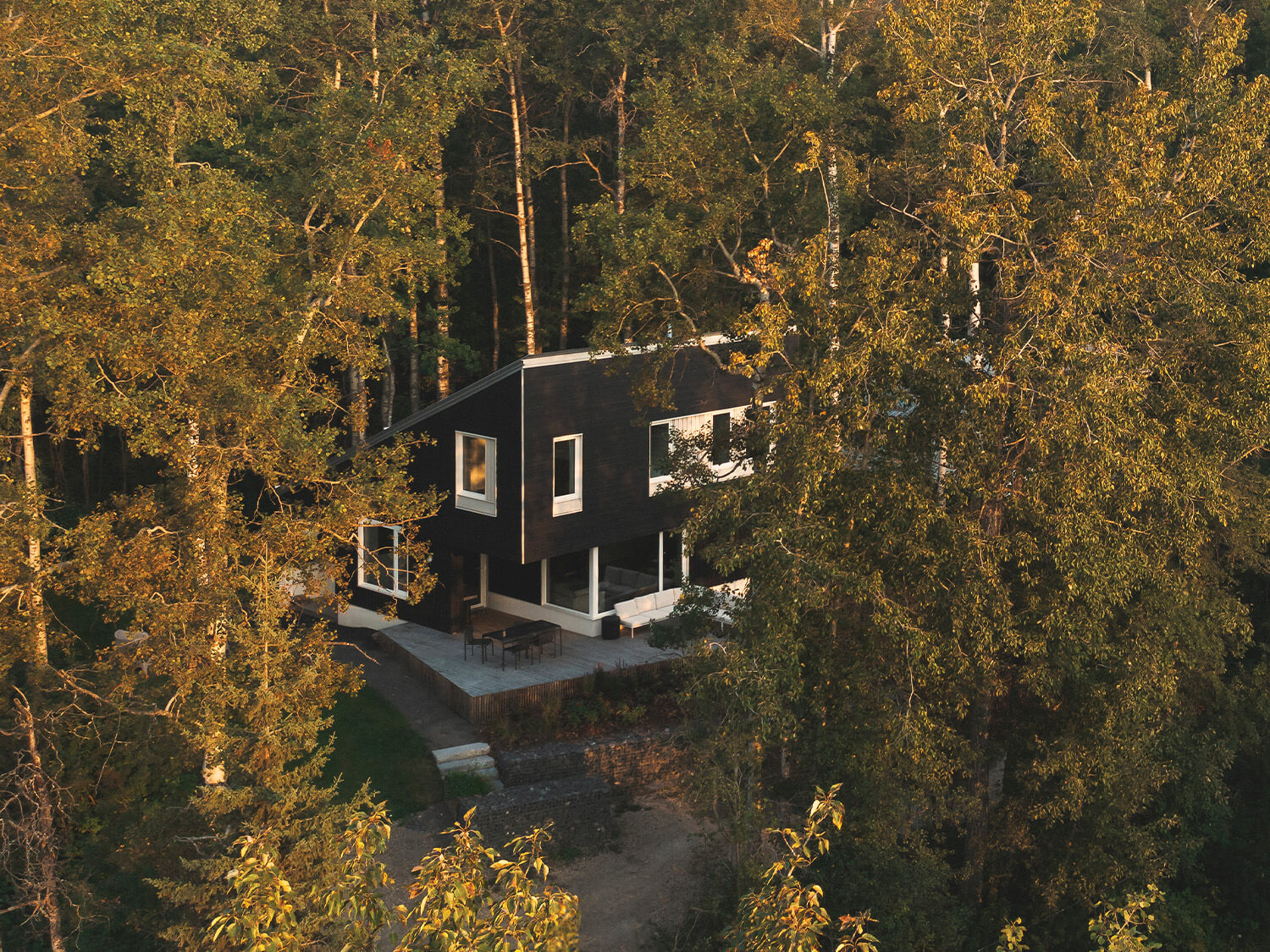
Mike’s nostalgia for his childhood at Lac la Nonne inspired Kjenner’s consideration of the cabin’s structure. “I’m always trying to find sources of meaning in a project, and I think nostalgia is definitely one.” So he riffed on the classic A-frame cabin common to lakes in Alberta, both in shape and organization. His version was more of a right angle triangle (half an A, if you will), but it retained many A-frame principles. The main floor, which naturally has more space in A-frame design, became home to the common living areas, and the bedrooms were relegated to the smaller second floor.
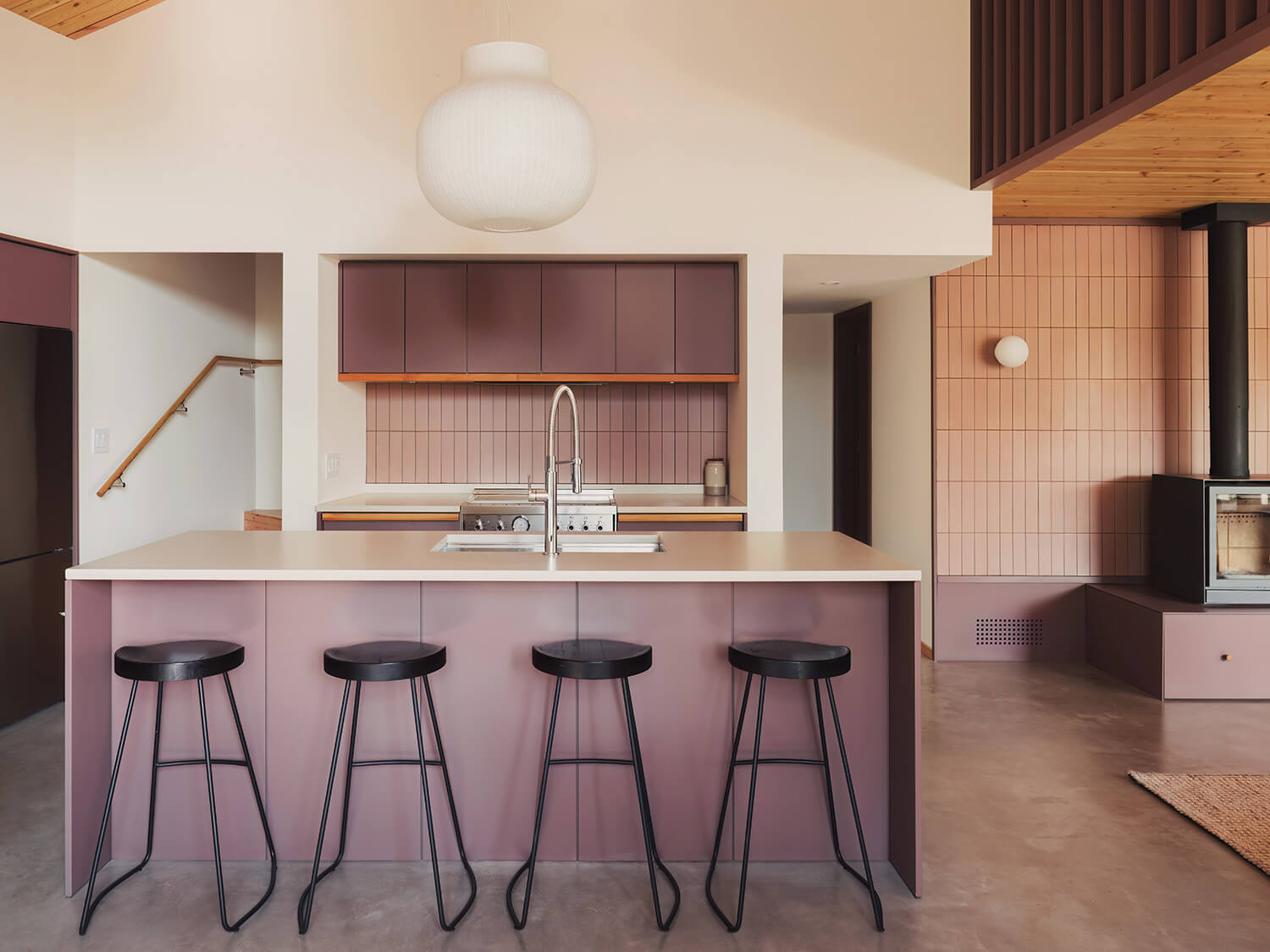
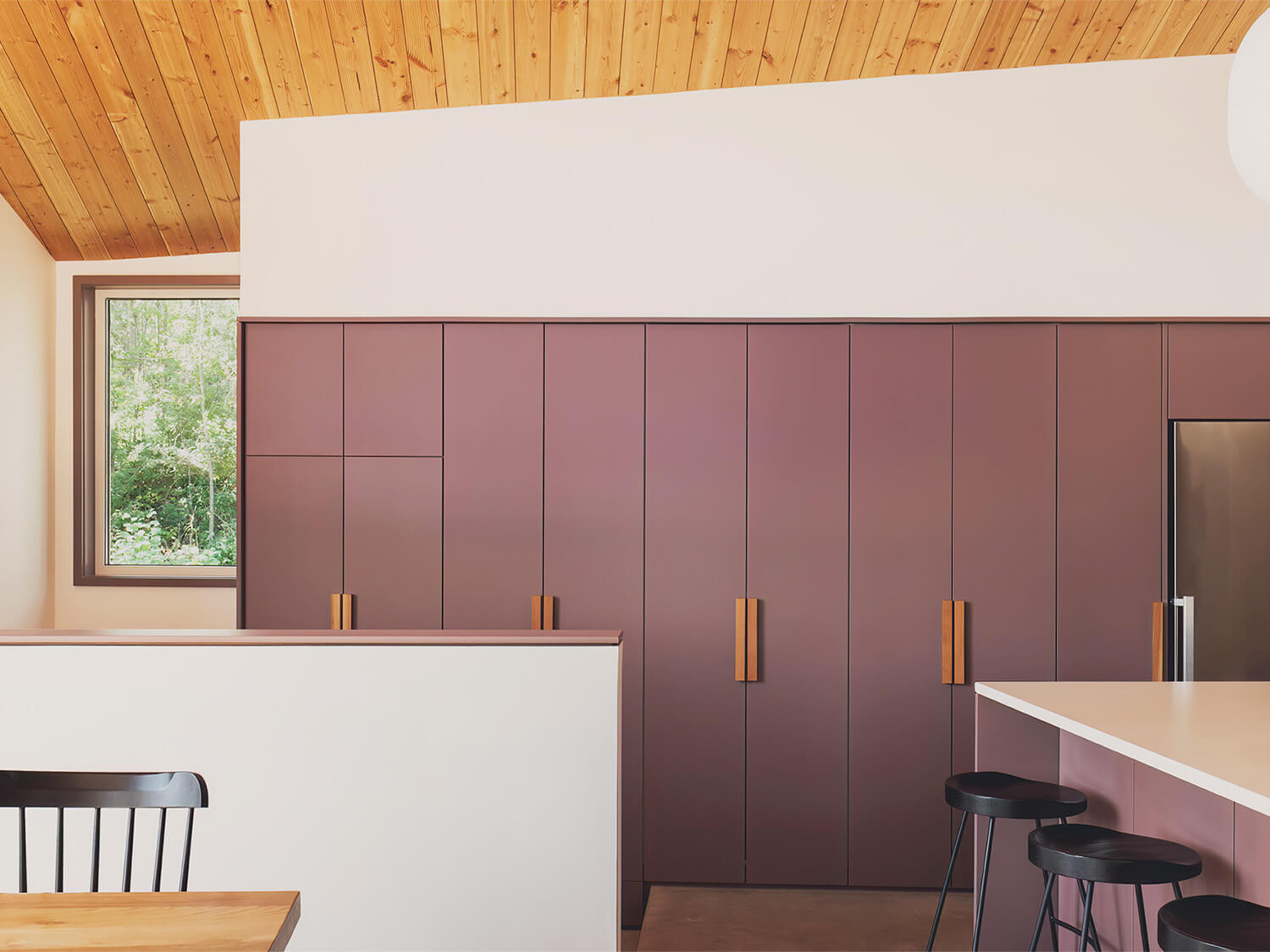
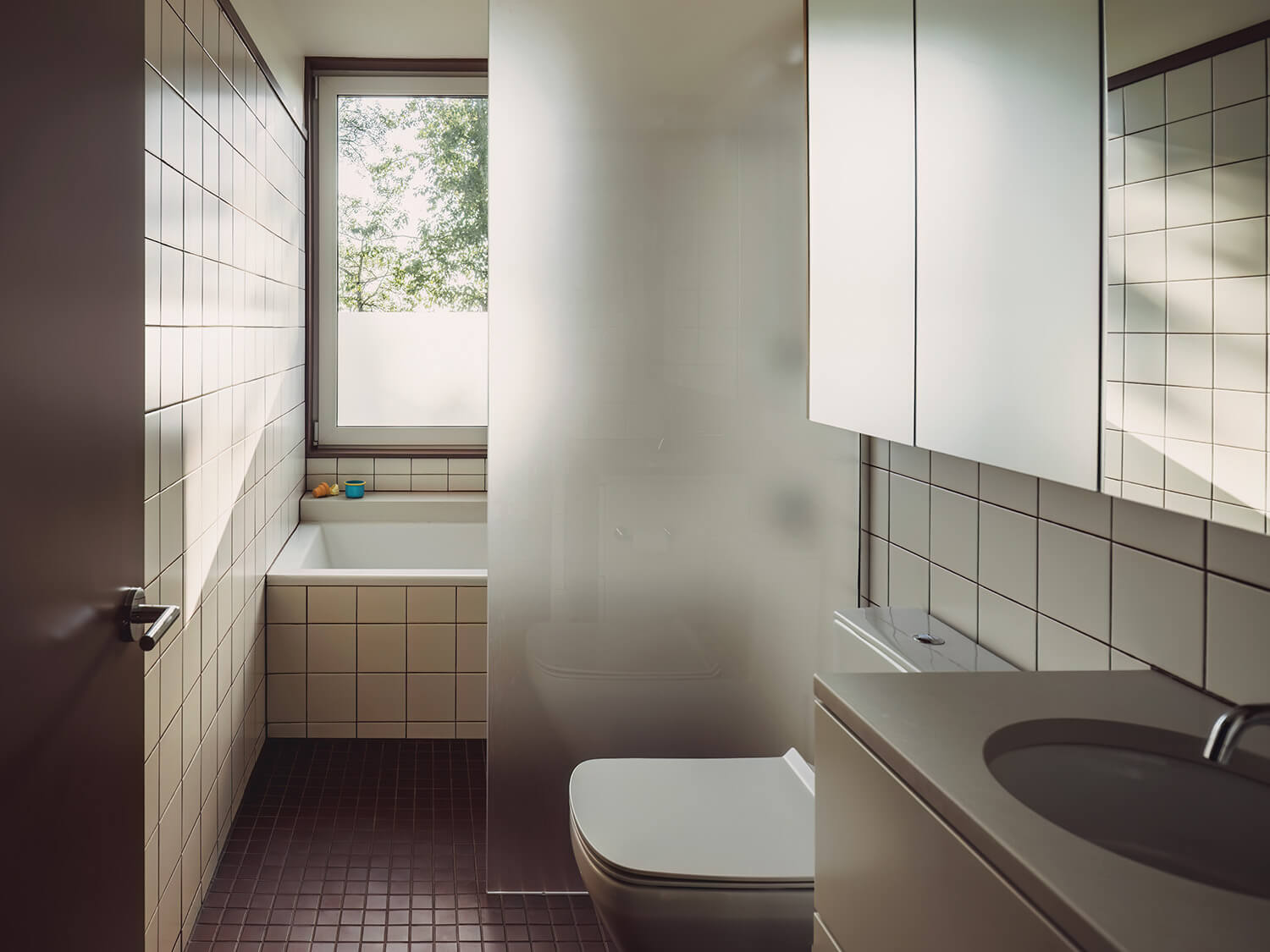
In addition to keeping the footprint small, Kjenner opted for low-maintenance and comparably affordable materials, which softened the blow as construction costs skyrocketed during the pandemic when they were building. The exterior is fiber cement siding, the roof is corrugated metal and the interior wood is knotty fir. Even the tile, says Kjenner, was done affordably. But in spite of the modest materials, the cabin has a sumptuous feel, thanks in part to how the materials were used. The fine details, thoughtful design and canny attention to natural light make the home feel both sleek and inviting, which can be a hard balance to strike.


There are still some splurges in the home. The Stuv fireplace in the living room and the Muuto pendant over the dining room table are higher-end additions, but they blend seamlessly with the cost-conscious materials — a bit like pairing some favourite Levi’s 501s with a Prada sweater.
Though the house bears many of Kjenner’s design signatures, he is quick to share recognition. He credits Elaine with selecting many of the interior details, including the mauve colour (Benjamin Moore’s Sequoia) that accents the space. He also credits contractor David Etcheverry from Etchbuilt. “He was critical to getting a good result on this project,” says Kjenner.
And though the home is beautiful to look at, its most important feature is functionality. The exterior is built to stand up to weather and time. Concrete floors mean that people can come in wet from the lake or with snow covered boots without doing water damage. And the robust communal space means that the Ringroses will have many years of gathering with friends and family — on the warmest days of the year and the coldest.
This article appears in the July/August 2026 issue of Edify