
One Saturday evening, in the waning days of the year, I found myself in one of the most exquisitely lit rooms I’d ever been in. I was at a neighbour’s for dinner, and our hosts had paid specific attention to the ambient lighting in their house. We started in their thoughtfully considered living room, aglow with just the right amount of warmth. We chatted and sipped our drinks, everyone lit to flatter. When it came time to move to the adjacent dining room, our host casually adjusted the lighting to match. It was quite simply perfect.
It might seem like an odd detail to hold onto from a wholly charming, well-rounded evening, but anyone who’s found themselves in a poorly lit room knows that bad lighting — just like bad music or bad conversation — can nudge an evening in the wrong direction.
Yet bad lighting — or at least incorrect lighting that doesn’t align with circumstances — is abundant. I’ve spent many an evening feeling downright vampiric as I retreat from an undimmed pot light in favour of the more flattering shadows. I wanted to know why we struggle with lighting — and how we might easily improve.
To answer these questions and more, I reached out to Sheri Krug from Vivid Concepts lighting and design shop, the lighting store founded by Nick-Cole Fleshman in 2006. Krug offered her guidance on how to get light right.
“We all instinctively know when lighting is good or bad,” Krug told me. “Just not consciously.” Krug, who is trained as an environmental designer, has spent her career paying attention to details that shape how we experience a space. Lighting, she says, is a foundational part of that experience.
“Lighting has changed over the years. If you think about a ’50s bungalow, there were no overhead lights. We used a lot of table lights and floor lamps. And somewhere along the way, we adopted this perspective where more is better,” says Krug. In reality, she says, the most important thing is the ability to control your lighting and change it to suit your needs.

“If you’re building a puzzle with your child you want to have brighter light, but when the child goes to bed, you don’t want to sit and relax in a bright space.” The key, according to Krug, begins with understanding the different kinds of light available to you.
“There’s direct and indirect light, decorative light, ambient light and task or functional light,” she told me. Each has different properties and different uses. Task lighting, for example, is designed — as you might expect — to help you complete a task, like reading a book or preparing a meal. Its purpose, first and foremost, is functionality. But it can also be used to add a little drama to a space. Ambient light, on the other hand, is a sort of base layer of lighting. It provides low, even light, free from deep shadows. It helps set the mood in a space.
“You need to understand the programming of a space to allow for the proper types of lighting,” Krug says. This means thinking about what you use a room for. “You walk into a hospital ER and the light is all task. It’s not about creating a mood, it’s about being able to see.”
A home, on the other hand, requires a more diverse lighting selection. “You pick different furniture based on how you want to entertain,” says Krug. “You pick different lighting for the same reason.”
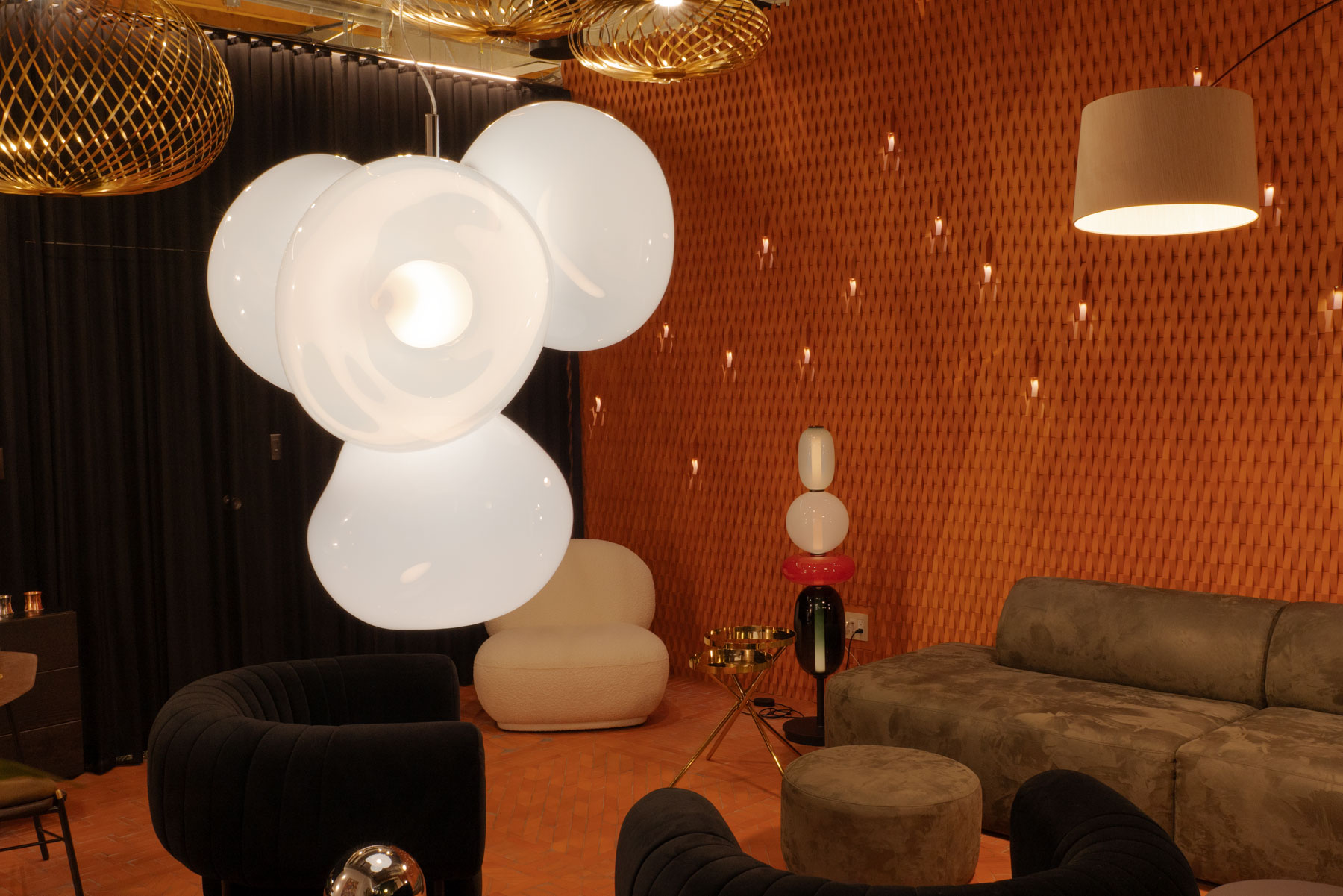
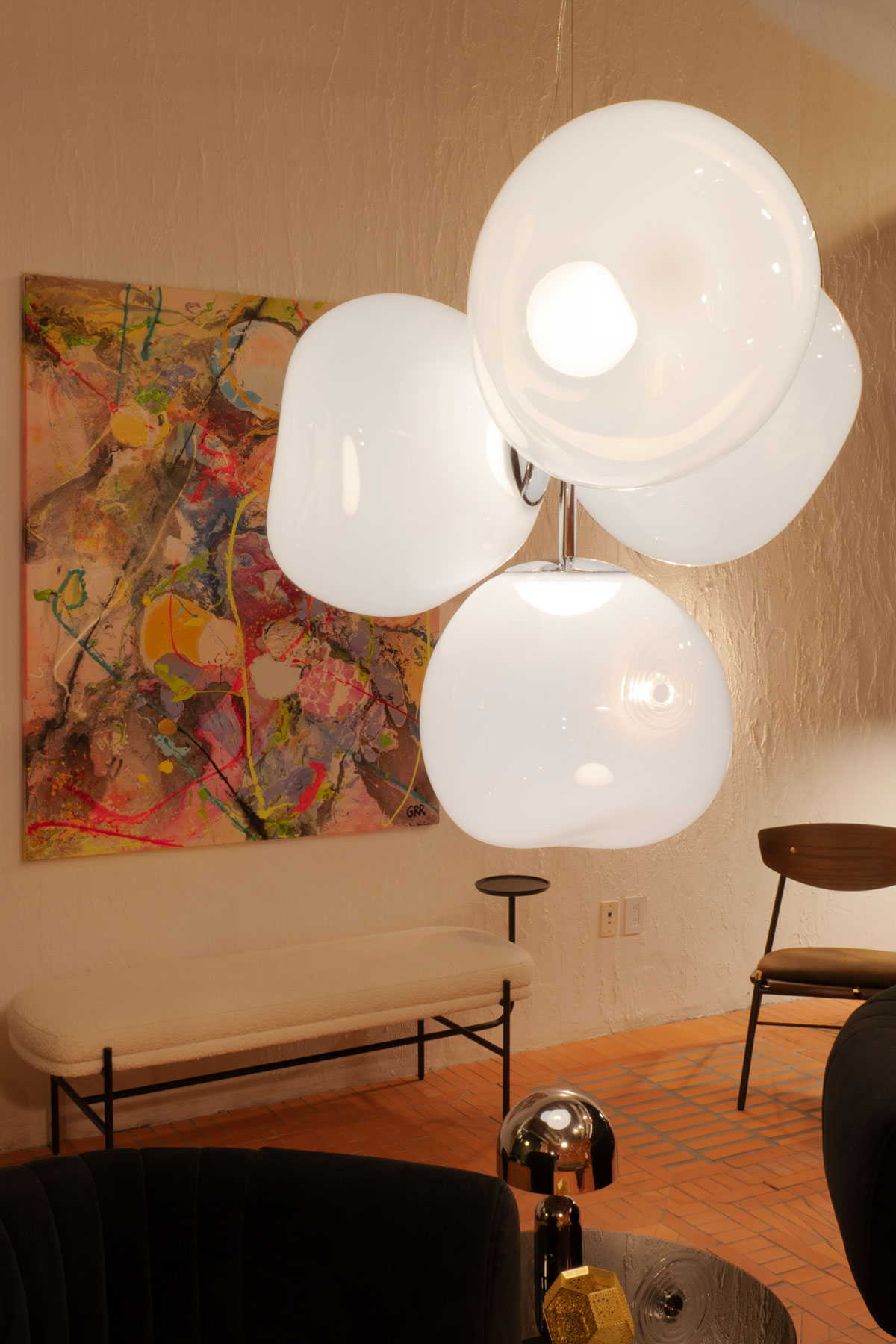
This might mean having a few well placed pot lights in case you need to find a lost contact lens, but not depending on them for cocktails or a dinner party. For that, you want to think about lamps and fixtures with a more ambient glow. Krug highlighted the Tom Dixon Mini Melt Chandelier, a stunning series of orbs that emit a soft, warm light. She also suggested getting the right hardware to help get just the right luminosity.
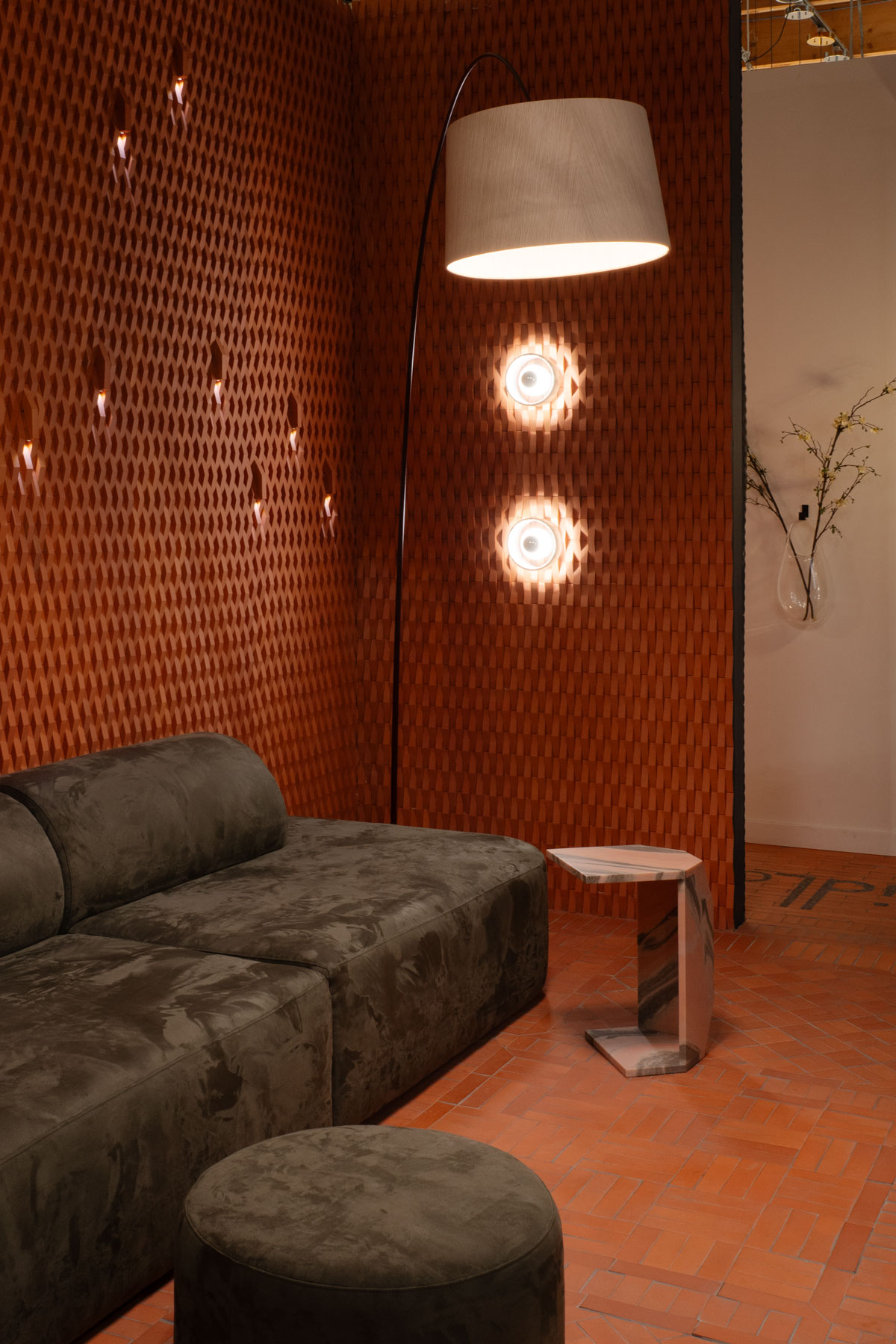
Luckily technology can help. Things like contemporary dimmer switches, high-quality LED lights and dim-to-warm bulbs — which take on a warmer, more relaxing hue when dimmed — have made tailoring a space to your changing needs easier. One thing Krug loves is a dimmer switch in bathrooms. “There’s a reason people like to light candles in the bathroom,” she says. “With the right bulbs and the right fixture, you can have the same experience.”



There’s also more room to play with where lighting goes. “People are becoming more open to alternatives,” says Krug. “It doesn’t have to be that every bedroom has a central light fixture.”
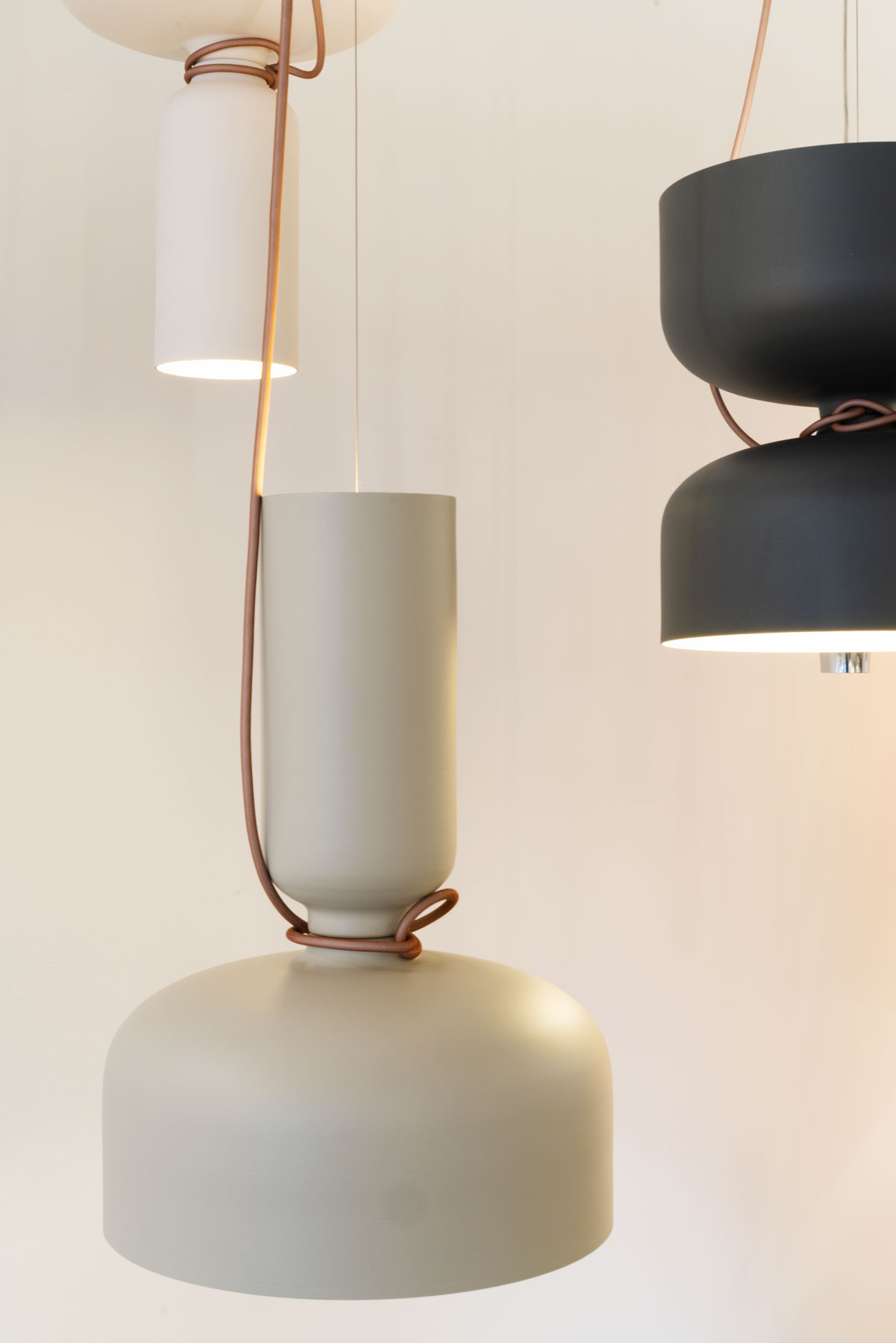
But the most exciting part of contemporary lighting has to be the fixtures themselves. From wall sconces to pendants to ornate chandeliers, contemporary designs are equal parts sculpture and lighting. I was particularly struck by the Spotlight pendant from Vancouver-based And Lighting, which feels like the perfect blend of classic and playful.
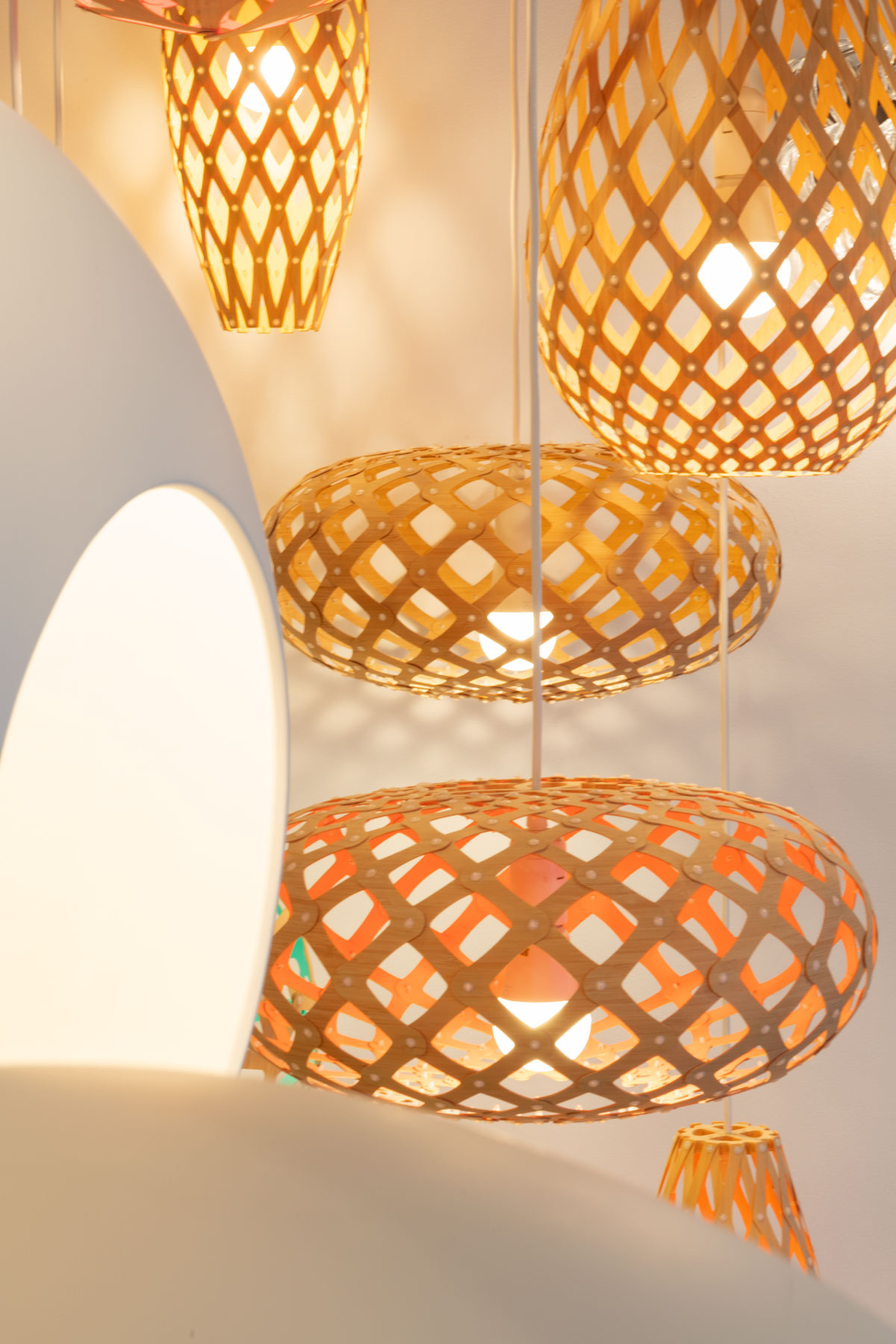
And though the designs are meant to impress, their primary goal is function. (Krug even introduced me to acoustic lighting — fixtures meant to help dampen sound in a space. The Hush from David Trubridge caught my eye.) The important thing when picking your fixture is to align a light’s function with your needs and make sure you have the right controls to make tweaks as needs change. As Krug says, “you can really make or break a space if you don’t have the right lighting.”