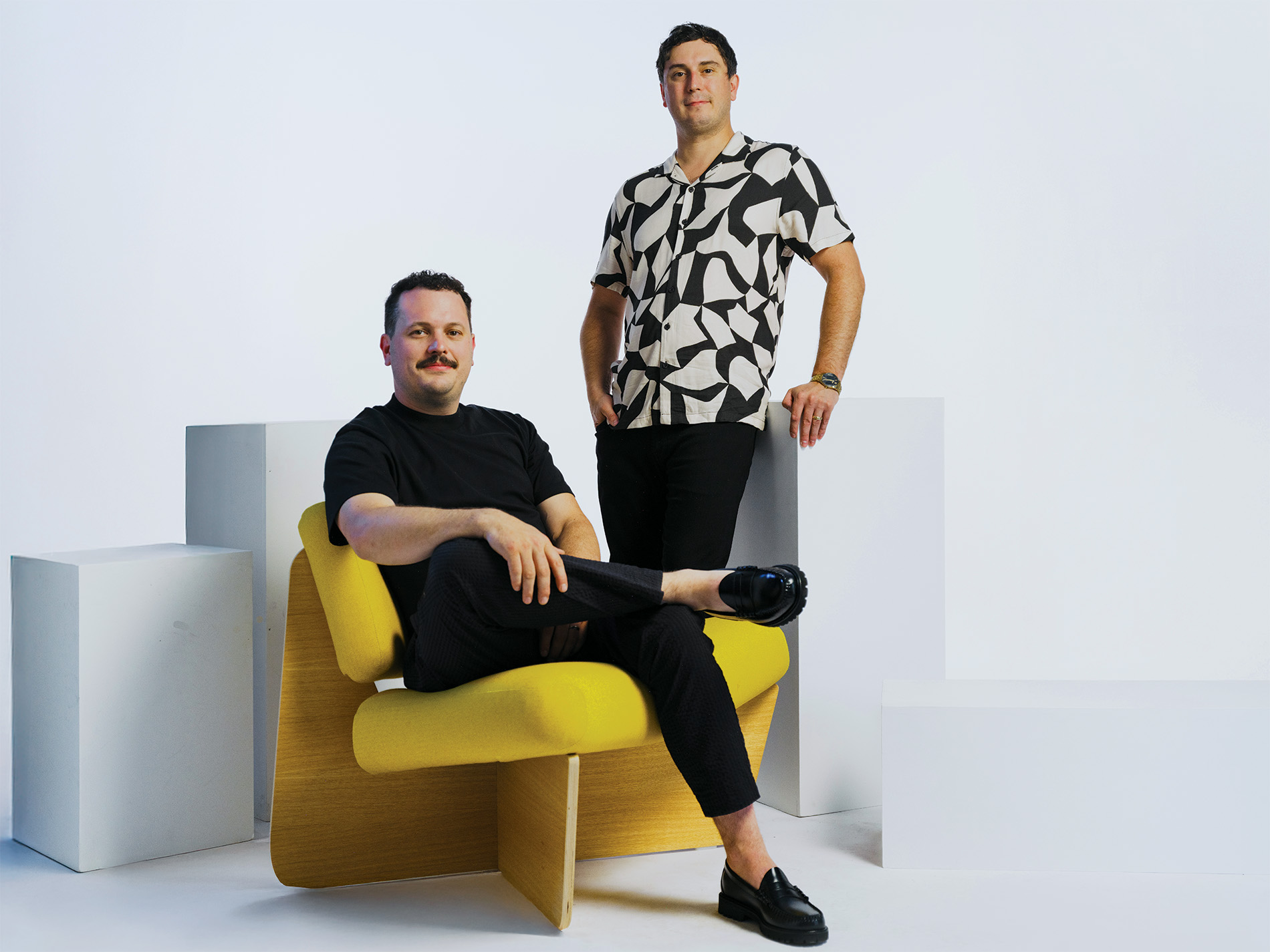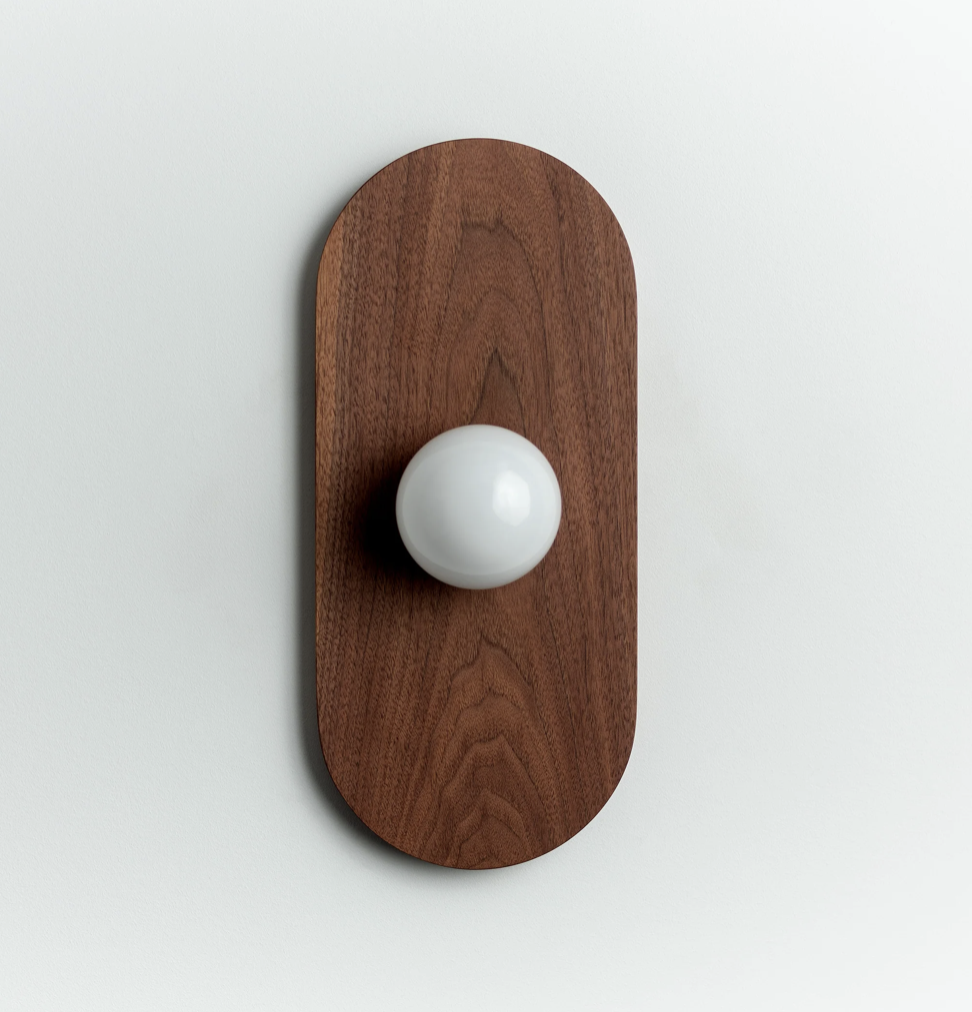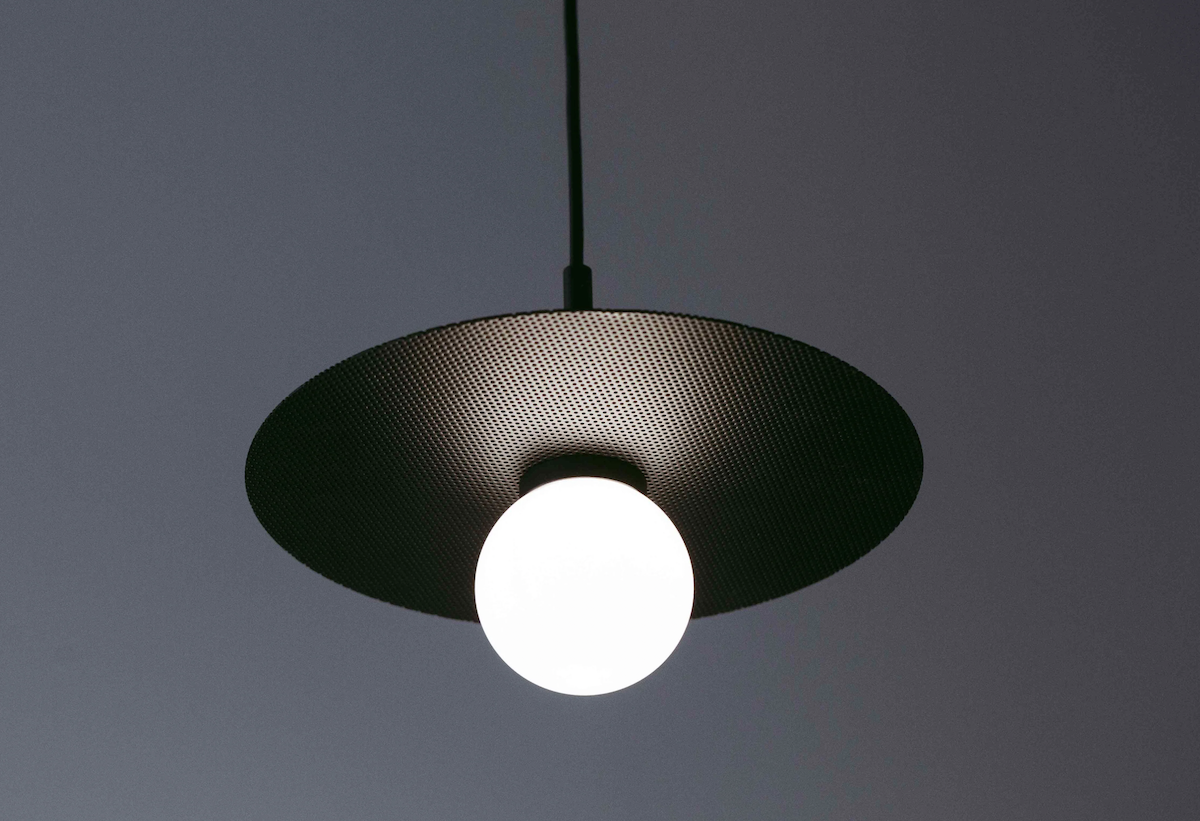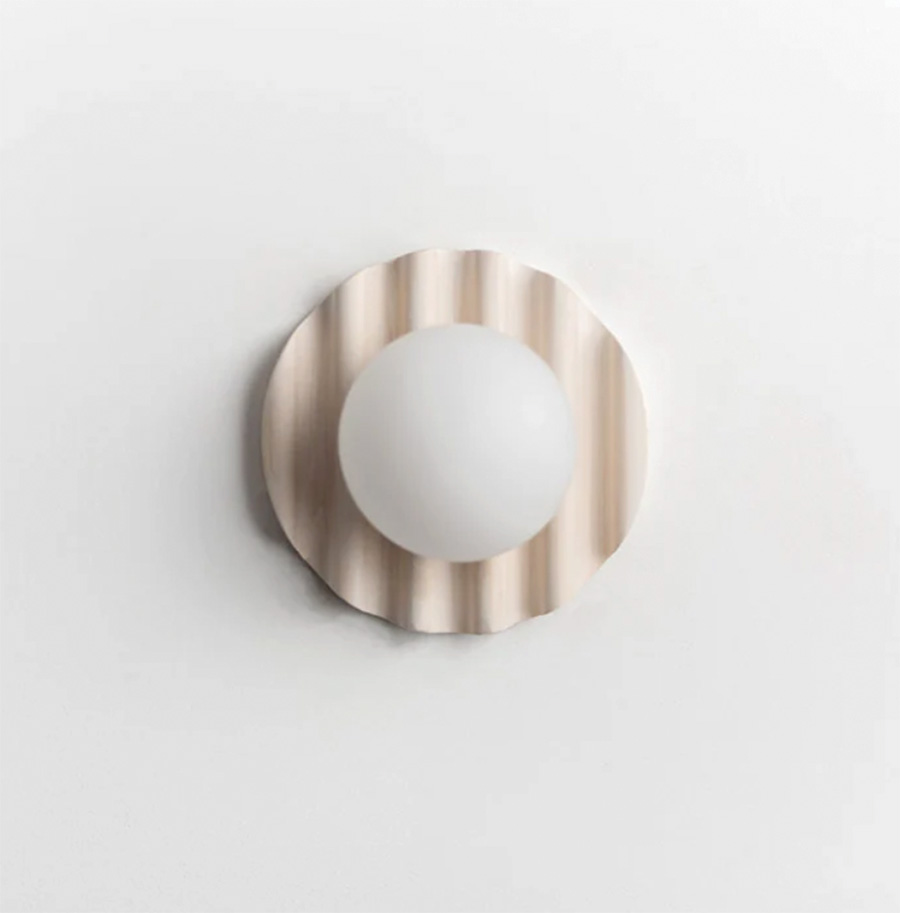

Nick Kazakoff and Brendan Gallagher became friends during their second year in the Industrial Design program at the University of Alberta. United by a shared passion for product design and hands-on prototyping, they teamed up on several school projects — though at the time, they had no intention of starting a business together. After finishing the four-year program in 2013, they went to work for separate companies — Kazakoff designing cranes and heavy machinery, and Gallagher designing medical equipment.
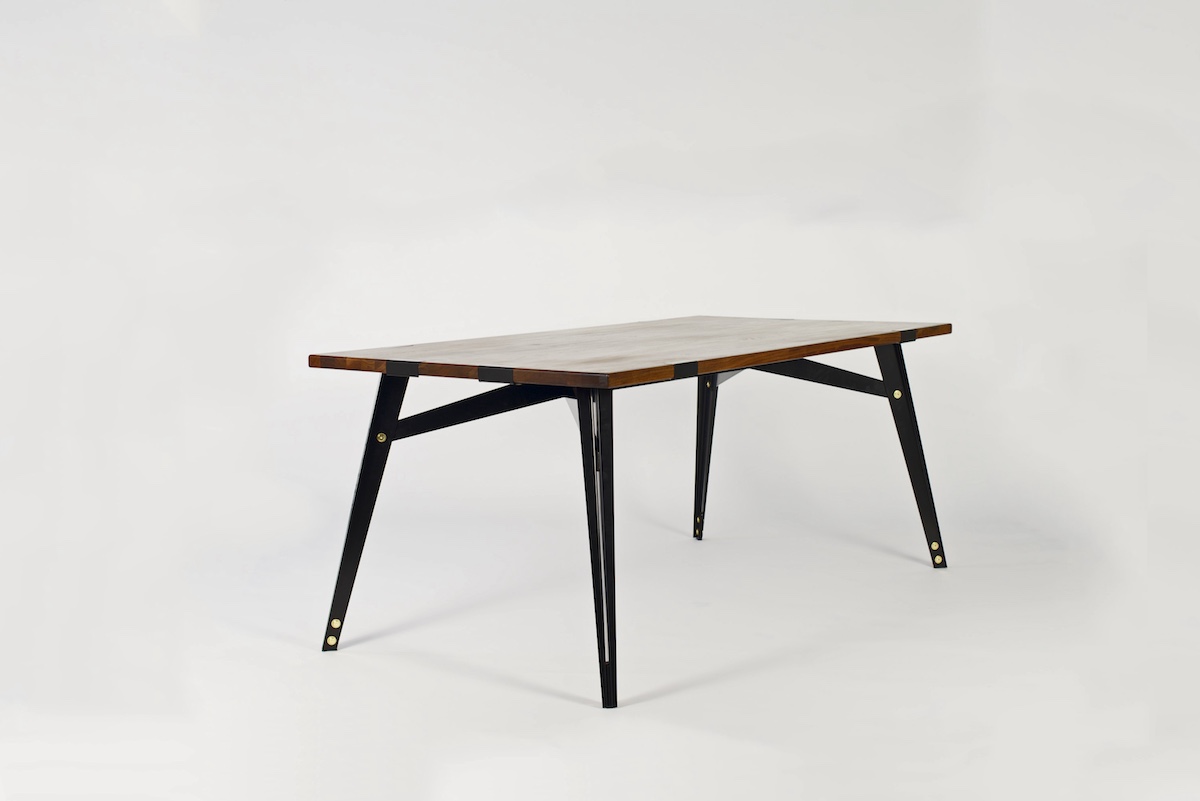
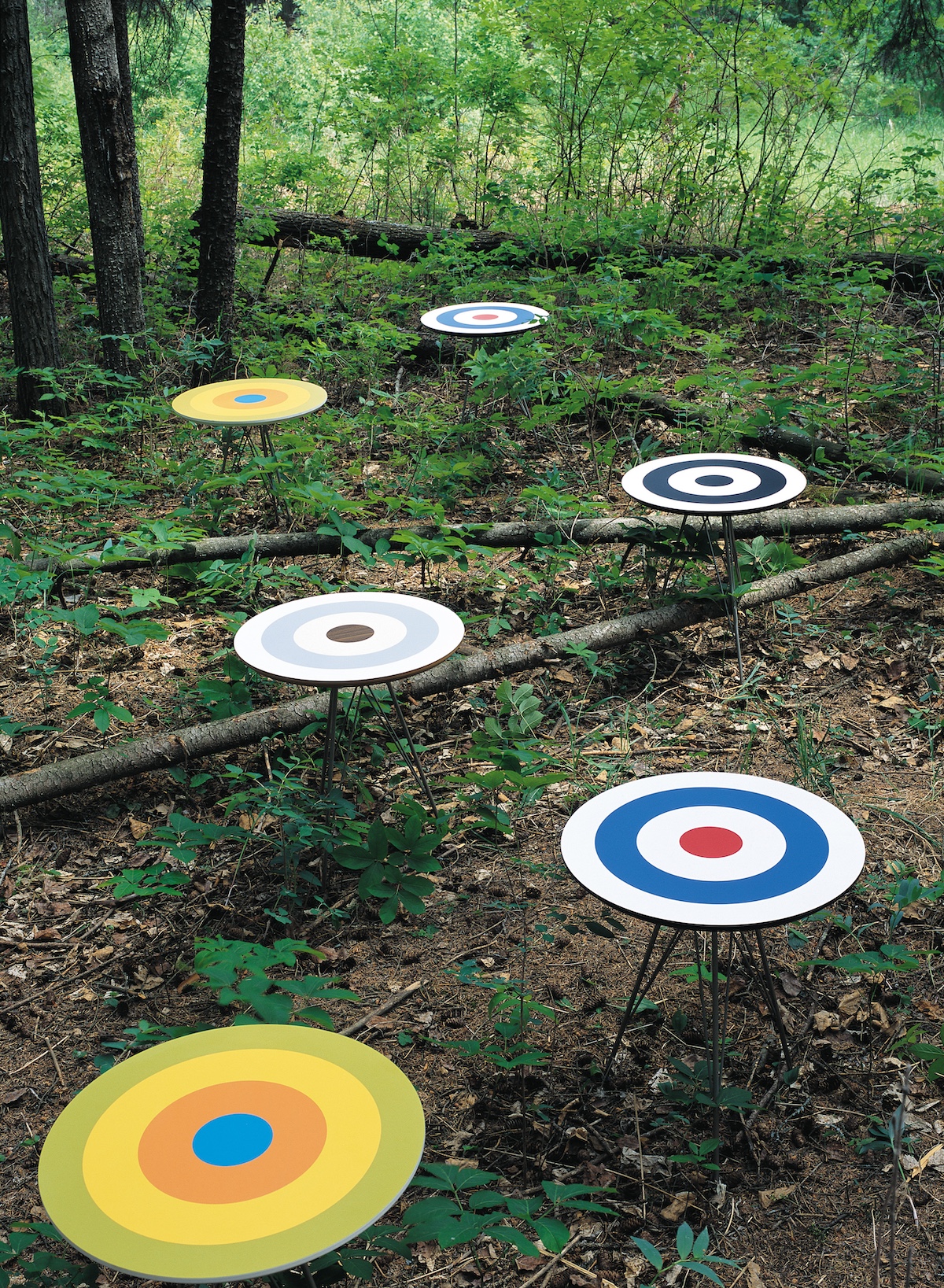
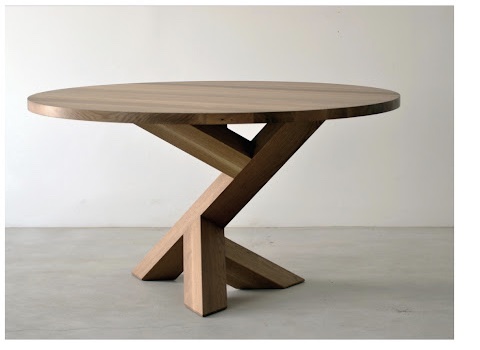
In their off hours though, they’d still hang out in Gallagher’s residential garage on 126th Street, designing and building furniture. They participated in contests and competitions — including the Edmonton Outdoor Furniture competition, a part of Edmonton Design Week — and eventually invested in a 3D printer and a small computer numerical control machine, which gave them the opportunity to learn some of the basic programming involved in manufacturing. It also helped them manufacture the Selkirk table, a sleek design made of solid hardwood and powder-coated metal legs.
They sold the popular design to residential clients, and in 2015, they decided to submit one of their tables to Nuit Blanche, the now-defunct art and design festival. That move, paired with the attention Gallagher and Kazakoff had started to garner, prompted the pair to incorporate as Onetwosix Design. Within six months, the two designers had quit their day jobs.
Ten years later, Onetwosix has moved out of Gallagher’s garage into a dedicated studio and manufacturing space with 24 full-time employees in Edmonton. As Kazakoff tells it, their success is owed to a passionate commitment to innovative and functional design amongst the whole team and the city they call home.
Edmonton has a strong track record of producing top-tier industrial designers, many of them graduates of the U of A’s renowned program, which has long emphasized both conceptual thinking and practical design skills. This, Kazakoff says, gives students not only the ability to imagine new things, but also a concrete understanding of how to actually make them — a skill that’s becoming increasingly rare as similar post-secondary programs shift further toward theory over practice. “It’s one of the only programs that still focuses on teaching students the fundamentals of design for manufacturing,” he says.

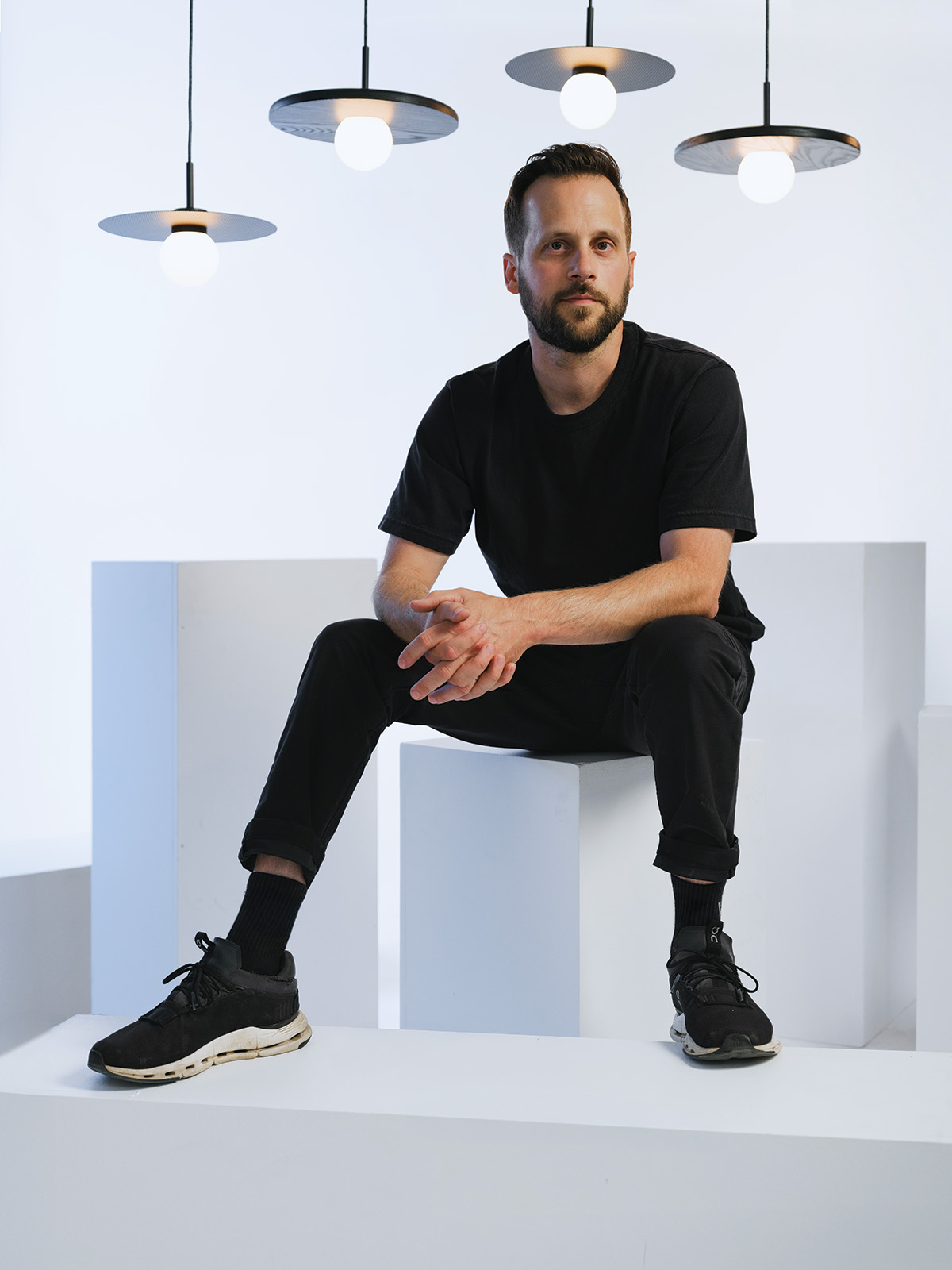
Complemented by the city’s robust manufacturing culture, Edmonton has been fertile ground for scores of talent like designer Geof Lilge, who has built such companies as Pure Design, On Our Table and Division Twelve; Jordan Tomnuk, the founder of the contemporary lighting company Tomnuk Design; Zoë Mowat, whose eponymous brand of furniture and home goods has garnered international acclaim; the modern furniture company Izm, whose designs have repeatedly been named Interior Design Magazine’s Best of the Year; and the four founders of Loyal Loot, the design company famous for their playful wooden bowls.
Like many designers in the city, Onetwosix embraces Edmonton’s blue-collar roots, moving from research to prototype as fast as possible. While acknowledging the importance of conceptual design, Kazakoff says designers often spend too much time on small details rather than prototyping. Onetwosix would rather get to the shop sooner rather than later. This, they believe, helps avoid pitfalls like when materials don’t work as anticipated. “We’ve found it has helped get products to market quickly.”
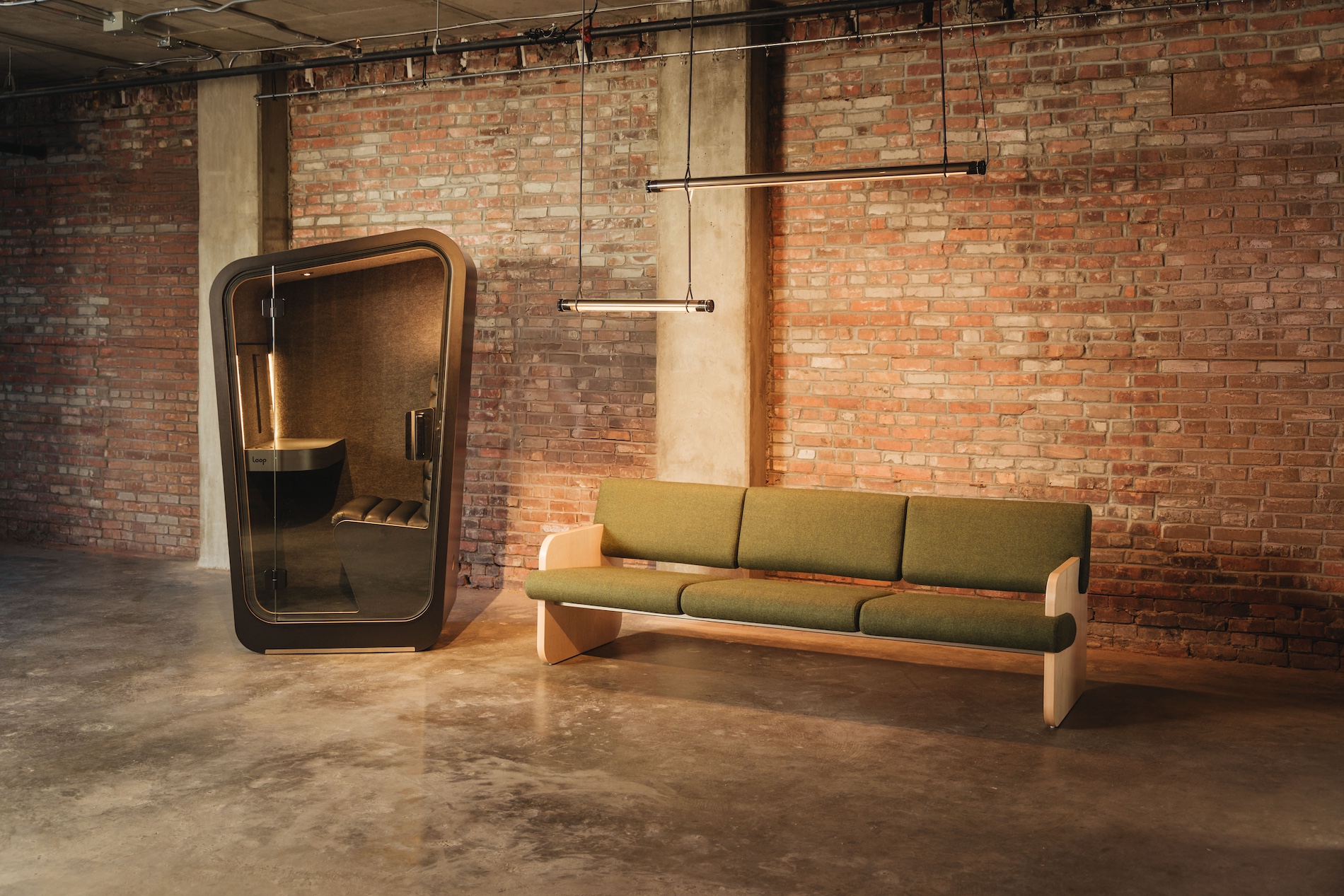
And that they have done. Their Loop Phone Booth, originally designed in 2015 to create private spaces for a local client’s open-concept office, has been sold to the headquarters of Disney, Google and Pokémon. Onetwosix’s success signals the potential for creatives in Edmonton and other cities often overlooked by the design world — but it’s also a reminder of the ongoing challenges of building a design career far from established hubs.
At a basic level, the essence of manufacturing starts with a physical space — and Edmonton has a lot of vacant spaces, says Geof Lilge.
The furniture designer and U of A graduate has been synonymous with Edmonton in the design world since cofounding his first business, Pure Design, right out of school in the early 1990s. “We set up our own shop, started making things, and things got rolling right away,” he recalls. Pure’s modern home furnishings were sold around the world. At their peak, they had 40 employees and nearly 10,000 square feet of shop space. “I don’t know any designers in Toronto or Vancouver that have a 4,000-square-foot shop. It’s just impossible,” Lilge told me. “It’s possible here in Edmonton.”



Lilge left Pure Design in 2002, but returned to furniture design 15 years later with Division Twelve, focusing on upmarket steel-frame furnishings for the hospitality industry. Inspired in part by his partner’s work in the restaurant industry, Lilge recognized an unfulfilled need for well-built, durable, contemporary seating for the hospitality market. He succeeded because his designs were solving an existing problem.
Space, once more, became an essential factor in the company’s success. From a vacant, fire-damaged metal tube chair factory, Division Twelve was able to design and manufacture its signature steel-frame furniture until it was acquired by Canadian furniture company Keilhauer in 2019. (The company moved manufacturing to Ontario.)
But designers need more than space for continued success and growth. They need a market for their products, and for contemporary furniture Edmonton’s market remains relatively small. For Lilge, this meant specifically targeting eastern and American markets, a strategy that has proved successful (Lilge’s designs have been sold in the United States, the U.K. and Japan) but one that comes with other challenges.
“It’s a full day to travel to the east coast,” says Lilge. That means taking meetings and delivering products to market takes more time and money than it would for designers working within those communities.
Shane Pawluk, co-founder of Izm, echoed this frustration. Pawluk and his business partner, Jerad Mack have been in business since 2002, winning numerous awards for their high-end furniture.
While maintaining their signature modern style, the pair have weathered the fluctuating market by evolving their offerings: most recently, they’ve had success building wooden loft ladders. Yet they’ve struggled to crack the wider Alberta market. It’s not that Albertans don’t spend the money, according to Pawluk, it’s that the focus here is on outward-facing goods — luxury cars and trucks, houses, landscaping.
Most of Izm’s business comes from the United States, and while foreign sales have sustained the company now for over 20 years, they’ve seen countless peers disappear from Edmonton because of a lack of exposure.



In a sense, local designers face a classic supply and demand problem. On the supply side, Edmonton has excellent design schools, an entrepreneurial spirit and a low-competition environment — especially compared to saturated markets like Toronto. What’s more, the city’s cost of living is relatively low and industrial space is affordable.
But when it comes to demand, well, it’s just not there yet.
And that has created a series of boom-and-bust cycles in the design community. New people arrive on the scene, gain some traction and buzz, then disappear. Some of this churn is inevitable — a part of any business. But when a community becomes too thin, it can limit opportunities for the next generation of graduates. Just as critical, it can limit opportunities for mentorship and knowledge sharing.
Kalie Johnston is a fashion designer and the director of product design at Poppy Barley, a locally founded company with international reach. Before returning to Edmonton, she studied at Toronto Metropolitan University and worked at Joe Fresh, building her career in the heart of Canada’s fashion industry. She and her partner moved back west for better opportunities in 2012, but while Johnston has been able to grow professionally in Edmonton, she says the tradeoff is a lack of senior fashion designers to learn from. “Who leads me to be better?” she asks. “Who mentors me? Who helps me be a better designer? Who helps me be a better design leader?”
The answer to her questions may depend on whether Edmonton can draw more talent to the city and convince more of its homegrown talent to stay. In spite of its fertile ground, it’s still a place many creatives — not just in the design field — tend to leave for the seemingly greener pastures of larger urban centres. But that is starting to change, says Kazakoff. Cities like Toronto, Vancouver and Montreal can no longer promise the prospects of a longer and more lucrative career as they become too expensive for most young designers — for most people, really. In comparison, the affordability of Edmonton could become a kind of gravity attracting new talents and keeping homegrown talent from floating off.



“There has been a shift in the last five years,” says Kazakoff. “We posted an industrial design job a little while ago, and in the past, you might get one or two (applicants) from out east.” This time, they got loads.
Drawing more design talent to Edmonton also has the potential to change the market locally — a change Onetwosix has already started to see. Though most of their clients of the loop phone booth still come from eastern Canada and the United States, Edmonton sales have grown and their single biggest purchase came from an Edmonton-based company. If these shifts are a bellwether of what’s ahead, the design community could be on the cusp of meaningful growth — something it’s been building toward for decades.
Founded in 2000 by architect and sustainable design advocate Shafraaz Kaba, MADE (Media Architecture Design Edmonton) was created to build a resilient, long-term design culture in Edmonton — one that could survive the churn of boom-and-bust cycles. “The whole idea of MADE was … let’s create something that has some resilience,” Kaba says. And they have: this fall, MADE will celebrate its 25th anniversary during Edmonton Design Week. Today, its board — which is chaired by Kazakoff — continues to push the city’s design conversation forward.
Chris Provins, a designer, creative director and MADE board member, says the organization is thinking about how to sustain and grow design locally. That includes more public events, advocacy and outreach intended to highlight how design shapes — and is shaped by — the city we live in. The success of these will largely depend on how they’re received by emerging designers.
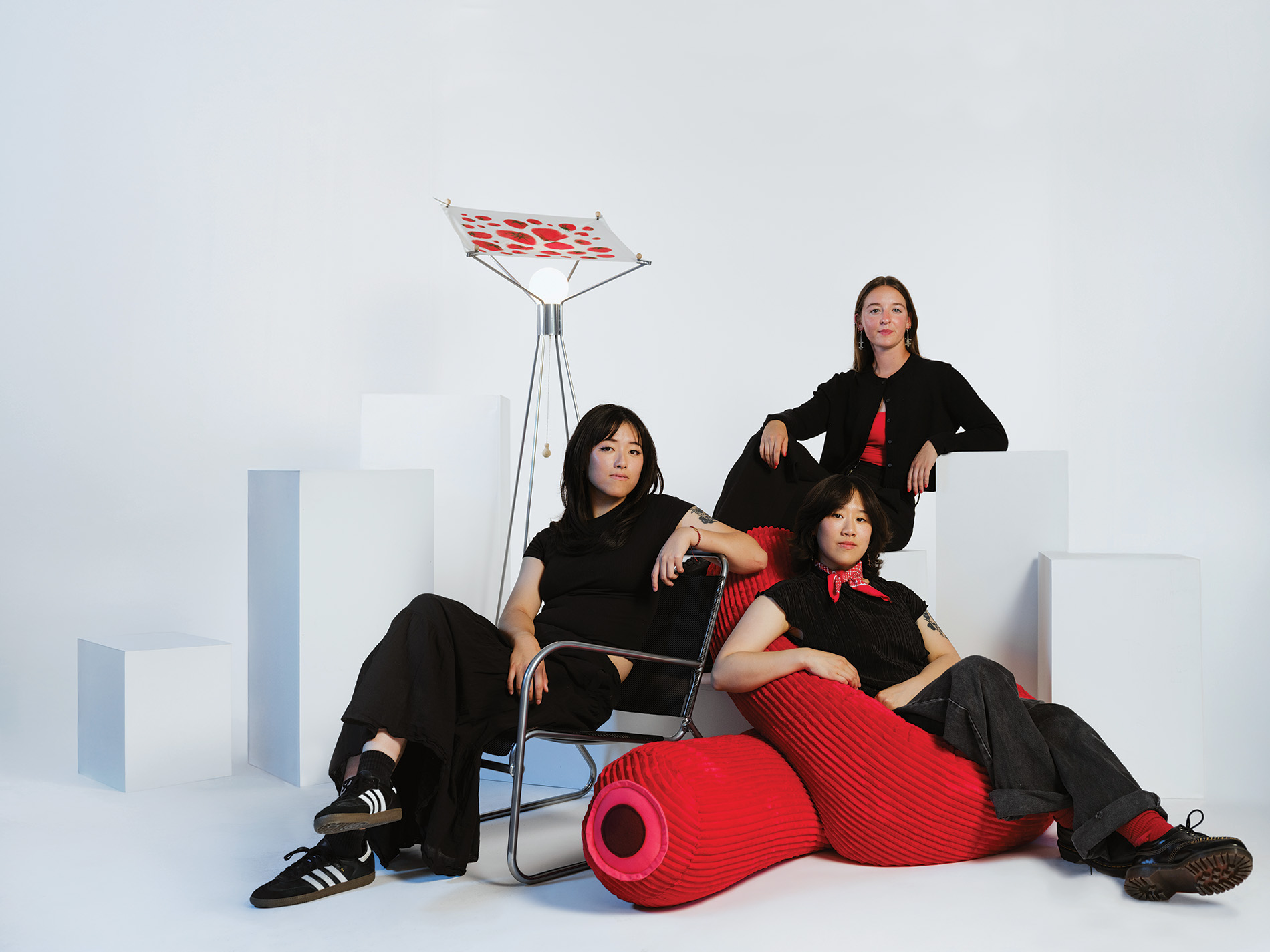
U of A student Hafsah Mohummed applied to a number of different programs outside the city, including architecture and urban planning, but it was the desire and potential to actually build things that drew her to industrial design. “I saw a picture of the (university) shop itself. I was like, that’s what I want to do,” recalls Mohummed, now director of the Student Design Association.



Others from the association, like fourth-year student Elisse Canaynay, echoed her enthusiasm for the hands-on aspects of the program and the ways it prepares students for the work-force. She also credited instructor (and program alumnus) Tim Antoniuk for encouraging the students to think about the intention and the utility of their designs. “One of his sayings that we quote every day is, ‘Is it purposeful? Is your design purposeful?” The question highlights the fundamental ability to recognize a need and to design objects to meet that need.
But many of the students interviewed for this article are still unsure if they’ll stay after graduating. Like design students before them, employability and the market influence their next steps, but diversity was front-of-mind in a way that it wasn’t for the previous generation. Many of today’s design students are women or people of colour — they are unsure about entering a workforce dominated by white men.
When thinking of her next steps, fourth-year student Faith Adra wants to go abroad in search of a more multicultural perspective on design, feeling that her U of A education, though useful in providing practical skills and real-world experience, was shaped predominantly by Western viewpoints. Adra noted that the multiculturalism of her cohort is a strength that represents how diverse Edmonton actually is. “I know that we all have different backgrounds and skills,” she says. “I’m excited to see where all of us go.”
For his part, MADE chair Nick Kazakoff is committed to building a design culture that reflects Edmonton’s identity and future — and he sees this as a pivotal moment to do it. “Now is the time for us to step up to build a cultural design scene that is impactful, true to our identity, sustainable for the long term, and positions Edmonton as a design-forward city.”
This article appears in the September 2025 issue of Edify