
Vivian Mushahwar was nearing the end of her undergraduate degree at Brigham Young University in Provost, Utah, when she started to have second thoughts about her field of study. It was the late 1980s and she had chosen electrical engineering because of its math and physics focus, which she loved, and because it allowed her to bypass biology, which she was less fond of. But as she approached graduation, Mushahwar was missing a human dimension to her work. She loved what she was doing, but she struggled to imagine herself sitting in the back of a lab, building the next computer. She wanted to work with people.
Around the same time, Mushahwar went home to Palestine, where she was born, to visit her family. “It was just after the first uprising,” she says, “and all of a sudden there are so many kids in wheelchairs.” The visibility of so many newly disabled children devastated Mushahwar. “They were kids. They had their whole lives ahead of them, and places there were not accessible for people in wheelchairs.”
Mushahwar knew then and there that she wanted to help those kids — help people everywhere — to walk again. She saw a connection between her training and the injuries so many of the people she encountered were living with. “I’m an electrical engineer,” she recalls thinking. “What’s the spinal cord? It’s just a cable. You just hook it back together, and it should be just fine.”
When she returned to the United States she applied to a PhD Program in bioengineering at the University of Utah, writing in her application letter that she wanted to create spinal microimplants that would help people walk again — an ambition that would bridge her engineering background and her desire to work with people. At the time, she says, her application prompted some laughter from the admissions board. “Have you ever taken biology?” they asked. To her surprise, the classes she’d once avoided were now integral to her aims.
To satisfy the necessary requirements for her PhD, she spent an extra undergraduate year at Brigham Young taking classes in biology, physiology, anatomy, biochemistry and organic chemistry. Each Friday, she drove from Provost to the University of Utah campus in Salt Lake City to work late into the night in the bioengineering lab on projects that would help shape her graduate degree. She was accepted to the program and started a year later.

Mushahwar entered her PhD with a determination to change the lives of people with spinal cord injuries, a goal her PhD supervisor understood. “He saw the big picture,” she says. He also recognized in her some of the naiveté of youth. Mushahwar wanted to make big breakthroughs and wanted to dive headfirst toward her goals, but her supervisor knew that she would need to work methodically to achieve them, one step at a time. He encouraged her to start by mapping the lumbar enlargement, the part of the spine that controls all the muscle movements for the lower extremities. Located deep within a five-centimetre section of the spine just above the waist, the lumbar enlargement contains networks that control and co-ordinate muscle movement in the lower body. Mapping the region, Mushahwar’s supervisor told her, would help her understand if — and how — her goals could be achieved.
She got to work, studying preclinical models that had been deeply anesthetized to mimic the conditions of spinal cord injury. At the suggestion of her PhD supervisor, she also enrolled in a series of classes outside the scope of her degree. “I was very fortunate to have a supervisor who said, ‘Go out and understand what medical students do, what physiotherapists do. Take a couple of MBA classes, organizational behaviour, things like that.’” Her supervisor helped her see that, to accomplish her goals, she would need to work with others. Mushahwar realized it was exactly the kind of human connection she’d been looking for. “It became an exposure that I loved — becoming an expert in one area, but fluent in other areas,” she says. “I wanted to surround myself in an environment like that.”
By the end of her degree, Mushahwar had discovered that her goals were achievable: by accessing the lumbar enlargement in her preclinical trials, she’d been able to generate functional muscle activation. Unlike electrical muscle stimulation, which delivers an electrical impulse to muscles via the skin, muscles stimulated via the spinal cord didn’t fatigue quickly, meaning locomotion could be sustained longer. But her research was still conceptual and untried on humans. Mushahwar wasn’t building the next computer, but she still found herself in a lab, removed from the people she wanted to help.



After graduation, Mushahwar decided to take a post-doctoral fellowship at Emory University in Atlanta, Ga., at a rehabilitation medicine centre for people with spinal cord injuries. She wanted to get a better sense of what challenges these people dealt with. “I didn’t understand their daily needs and the secondary complications they faced,” she says. “It opened my horizons.”
She learned about spasticity, uncontrolled muscle contractions and pressure injuries — where the skin, muscle and fat break down because people are not moving.
At the same time, Mushahwar was continuing to attend conferences and present her PhD work. In 1998, after a talk about her research, she was approached by a professor from the University of Alberta who had developed a technique to implant electrodes in animals while they were awake. It was the next step she needed to move toward clinical trials in humans.
Mushahwar left her post-doctoral studies at Emory early and came to Edmonton, where she became a post-doc researcher in neuroscience, a position she held for three years. When it was over and she started applying for professorships, she opted to stay at the U of A. “This was the environment, right here, with clinicians, physicists, mechanical engineers and biomedical engineers all on the same floor,” she says. “They were working together in such a beautiful way. I was like, ‘Wow, this is where I want to be.’”
When Mushahwar chose to pursue bioengineering, her motivations were humane: she wanted to help people. What became clear over the course of her graduate and postgraduate work was that she also wanted to work alongside people, in community with other scientists and researchers. The interdisciplinary nature of the U of A kept her there, but she wanted to expand what interdisciplinarity could look like.
In 2009, she helped found iSMART, a U of A-based institute dedicated to innovation in patient outcomes and quality of life. She is currently its director. At inception, the group — then called Project SMART — had 16 team members. Since then, it has grown to include 70 labs and nearly 500 team members working in engineering, medicine, rehabilitation, computer science, neuroscience, social sciences and arts. That growth has expanded the institute’s capacity. Thanks to a series of grants, iSMART now has specialized equipment worth more than $40 million, allowing teams to do everything in-house and making new kinds of innovation possible.


As part of iSMART, Mushahwar, too, began to expand her work. In addition to furthering her research into microimplants, she started working on developing wearable technologies to treat conditions that were the result of spinal cord injury.
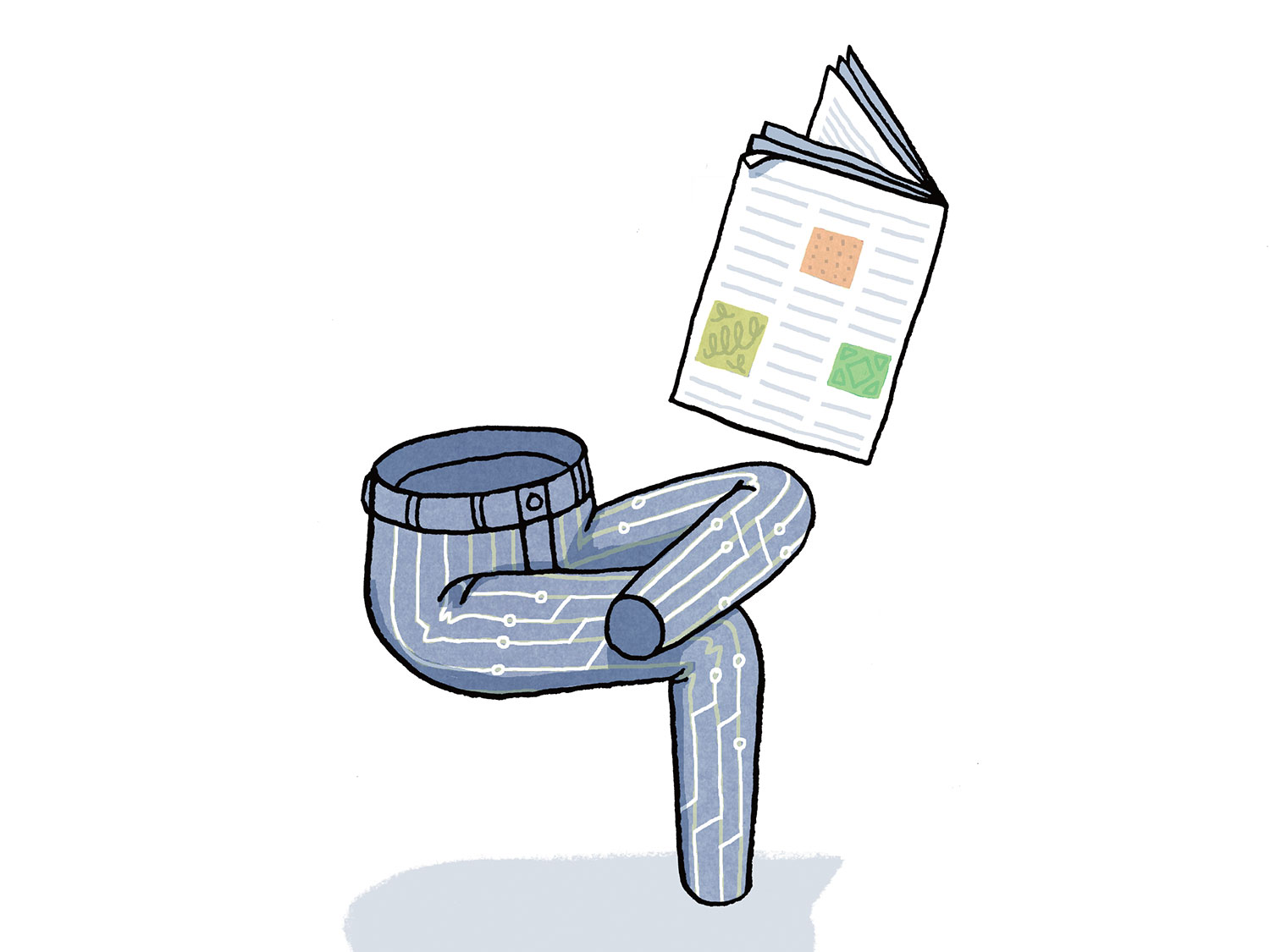
In 2012, inspired by her time at Emory, she and her team released Smart-e-pants, an active garment that prevents pressure ulcers (bedsores) by stimulating muscles with short, low-voltage bursts of electricity every 10 minutes, which is how long it takes for a pressure ulcer to begin to develop.
Following that, her team started working on a product called SOCCs (an acronym for smart, ongoing, circulatory compressions), a kind of electronic sock designed to prevent deep vein thrombosis and swelling in the lower legs.
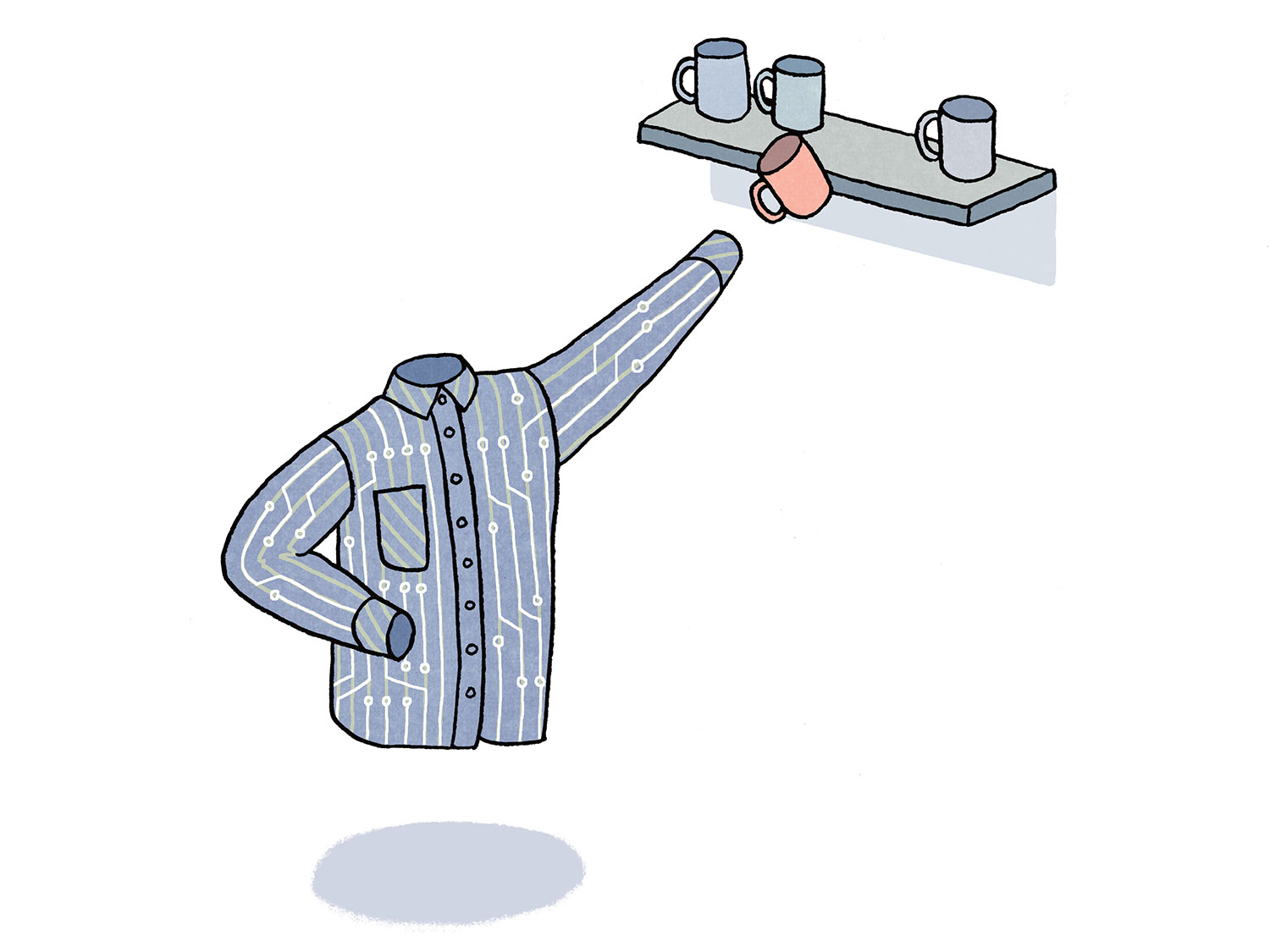
In 2025, she and her team were awarded $24 million in federal funds to research and develop Smartwear — clothing that can adjust its stiffness to provide strength and support for people with injuries or muscle weakness, or to help prevent injuries amongst vulnerable people.
Like so much of her work, Smartwear is a product of collaboration. To find ways for iSMART team members to work together, Mushahwar suggested that they share their research with each other and discuss their projects. A mechanical engineer named Dan Sameoto shared his work developing a material that could repeatedly change its stiffness, and when heated could easily be pulled into micro-thin fibres.
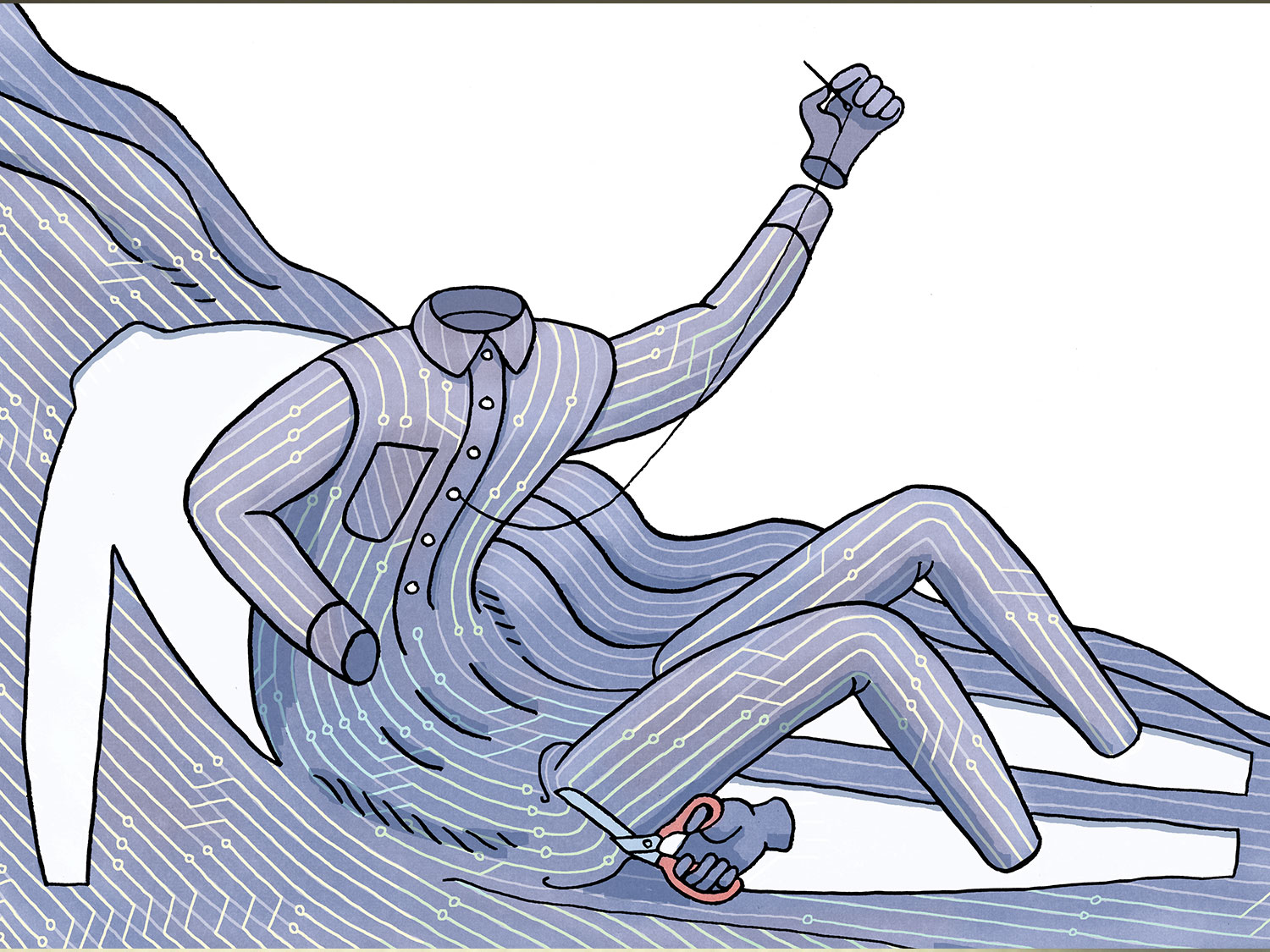
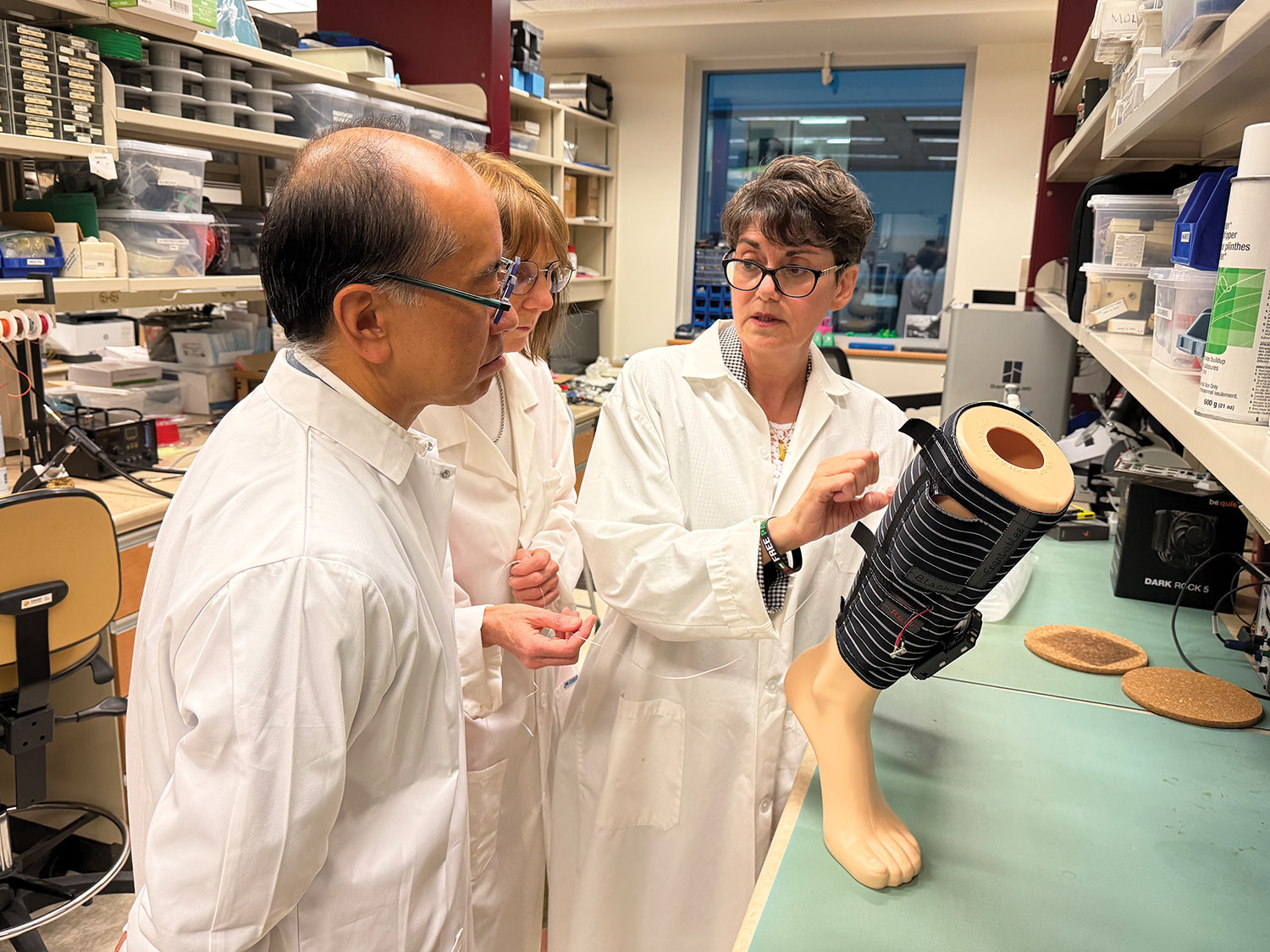
Given Mushahwar’s experience working with wearables, her mind naturally went there first. “I thought, ‘Huh, let’s stick them in clothing,’” she says. The intention is for the fibres to be seamlessly interwoven with regular fabrics, so the Smartwear garments will look just like any other piece of clothing. The difference is that the smart fibres will be connected to a tiny microchip designed to sense a body’s movements and tell the fibres to become soft or rigid depending on how that body is moving. If a garment senses the start of a fall, for example, it might stiffen to provide support and balance.



The product has wide-ranging applications, but for the moment, Mushahwar’s team is focusing on three groups associated with muscular weakness: older adults; people with neuromusculoskeletal weakness because of stroke, spinal cord injury, muscular dystrophy or related conditions; and health-care providers, such as nurses and caregivers, who are at risk of injury because of their work.
If successful, Smartwear has the capacity to reduce injuries among health-care workers, allow older adults to live independently for longer and improve quality of life for people with muscular weakness, all of which could lessen the burden on the health-care system at a time of great strain.
On its own, the project is potentially revolutionary, but equally important is how the team is working. Drawing on the interdisciplinary nature of iSMART — Mushahwar’s preferred way of working — the Smartwear project is made up of three working groups: technology and textiles, arts and design, and social justice. All three groups will collaborate over the six-year span of the project. But there is a fourth cohort that is helping to shape the research: members of the public who might eventually wear Smartwear garments.
In addition to their lab-based research, the Smartwear team is utilizing participatory research, a process that involves community members and stakeholders in the research process. Adalberto Loyola-Sanchez, co-chair of the social justice working group, says the process is about building trust with people who could benefit from the adaptive technology, “so we can incorporate their voices in a collaborative way to make decisions.”
Loyola-Sanchez trained as a physician in Mexico City, specializing in physical medicine and rehabilitation. He came to Canada and completed a master’s and PhD in rehabilitation sciences focusing on community-based rehabilitation sciences. As part of the Smartwear team, he helps develop the framework for incorporating community members into the project, a process that includes a community advisory board made up of nurses, older adults and people with neuromuscular weakness.



The model they are using has been adopted from the World Health Organization, which developed a framework for working with assistive technology. It grounds the Smartwear project in the human rights of people with disabilities and expands the interdisciplinarity that iSMART embodies beyond the bounds of the academy.
“Doing research in a traditional way is a very lonely endeavour,” says Loyola-Sanchez. “You go to the literature, you interpret what you learn, you come up with a good question, then you design your project to answer that question.”
Participatory research, he says, is completely different. “You need to meet people, build relationships and then start identifying the real problems these people are facing.”
Over the span of her career, Mushahwar has never given up on her goal of using spinal microimplants to help people walk again; she says that she and her team are nearly at the point where they hope to knock on Health Canada’s doors to start discussions on clinical trials.
If she’s right, a goal that she has been working on for more than half her life may at last be in reach. But with Smartwear, she has already realized a goal. She is not alone in a lab working with machines — she is working alongside a team of colleagues and members of the public alike. She is working with people.
This article appears in the May 2026 issue of Edify