
Fifteen years ago, St. Albert was the very definition of a bedroom community. It was a suburb where 72 per cent of its employed residents travelled outside the city to work.
That number is closer to 59 per cent now. But Mayor Cathy Heron, her council and the city’s administration want to bring that number down even further. Council unanimously approved more than $62.7 million in front-end funding for the Lakeview Business District. It is a planned, 600-acre industrial development in the southwest corner of St. Albert, which will bring more than 5,000 new jobs to the area, plus feed into a number of nearby high-density residential projects (for reference, Disneyland, minus the surrounding resort hotels, is 85 acres).
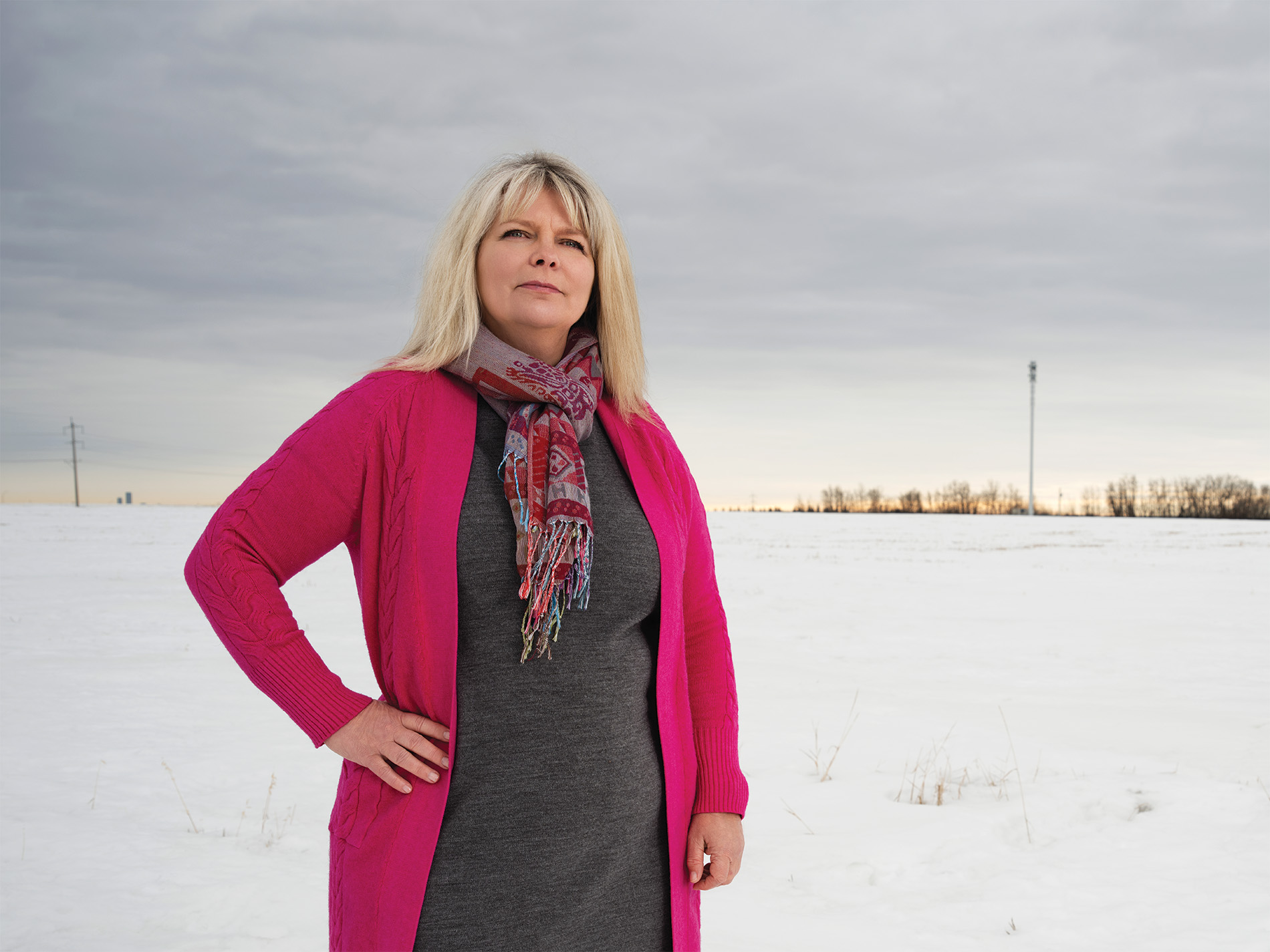
“It makes us financially sustainable,” says Heron. “When it comes to industrial land, we have very few lots, so we need to bring this along as fast as we can.”
What does sustainability mean? To those who run the city of St. Albert, it’s about being seen as a self-contained municipality. It means having more services and jobs within the city limits. It’s about reducing the number of bedroom commuters.
And why is it important? Remember that, across Canada, municipalities answer to their respective provincial or territorial governments. In 1998, Ontario’s provincial government made the decision to unite Toronto with its suburbs. Etobicoke, Scarborough, North York, East York and York were all brought together with the core in one megacity, with one city council. The result didn’t unite the region; in fact, it gave the suburbs an inordinate amount of political power, and the conflict between downtown dwellers and those who live an hour outside the core still exists.
Heron fears a time when our provincial government could look at our region and wonder why, oh why, Strathcona County, St. Albert, Spruce Grove, Stony Plain and/or Leduc aren’t just shoved into a bigger, meaner, Edmonton.
“If you’re not self-sustaining, you risk losing your status as a city,” says Heron. “That means amalgamations. If we were always shipping every one of our residents into Edmonton, whether it’s for dialysis or entertainment or shopping, I think Edmonton would start to say, ‘Well, you guys may as well be part of Edmonton.’ For me it’s about viability. With 13 municipalities in this region, it would be very easy to become a GTA. We don’t want that. We want to stay independent.”

The goal is for the commercial area to host light industrial — that means no smokestacks. St. Albert wants to attract clean businesses, from medical research to innovation hubs, agrifoods, advanced manufacturing and transportation.
So, no buffer zones will be needed with nearby residential neighbourhoods. To the north, Rohit is planning for around 950 lots in its Cherot subdivision, with architectural guidelines that will require the builders to make homes and townhomes look as if they belong in the French countryside. High arches, and black-trimmed windows and doors, will be the norm. So far, 215 lots have been prepped, and half have been sold.
“There’s a range of density,” says Jim Killoh, Rohit Communities’ senior project manager, who is overseeing the development of Cherot. “There’s the conventional two-storey with the attached garage, and duplexes. We have townhomes — both the townhomes and the rear-detached-zero-lot product — for along the laneway, which is relatively new for St. Albert. It definitely adds to housing diversity. We have front-drive zeroes and duplexes.”
Rohit plans to break ground on a six-storey residential building in Cherot in 2026.
And in the city’s southwest, two residential mid-rise towers have been approved for Cidex to develop in Giroux (near Lakeview).
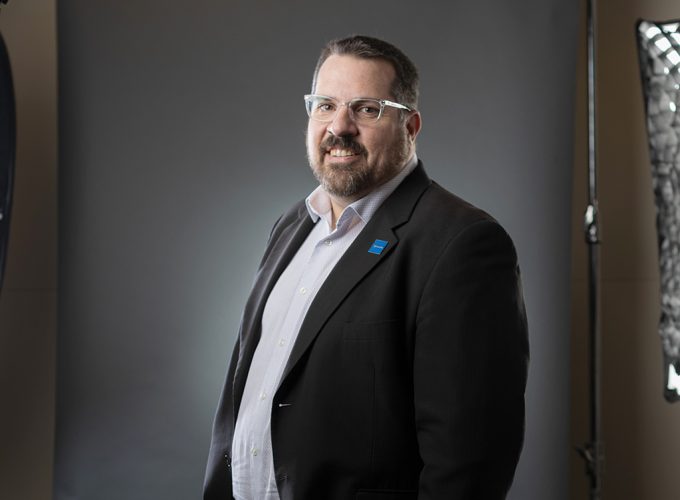
“Creating this commercial manufacturing hub can maybe create an opportunity where people can get to work really easily from the towers,” says Sarah Itani, the vice-president of development for the Cidex Group of Companies. “I think that globally, and definitely within Canada and Alberta, we all need to think about sustainability, and how do we focus on this.
“Everyone is dealing with affordability and cost of living. And so, the cost of transportation is massive right now, right? It’s not just that investment to make in a vehicle or on gas, but also the time you lose [commuting] with anybody you’d be interacting with — family, friends.”
Bringing in dense housing options will help with affordability, but Heron says there’s no such thing as an affordable home unless these projects also come with job opportunities.



“Housing affordability is important, but it has to come with places to work. The Cidex project will all be rentals, so that will be affordable. Lakeview will diversify the tax base and reduce the burden on the residential portion, which will make it more affordable. Everything works when you have a driver like Lakeview.”
Heron knows that the perception is that St. Albert residents pay higher property taxes than anyone else in the region. And that’s why it needs to enhance its commercial and industrial base — to shift some of that burden.
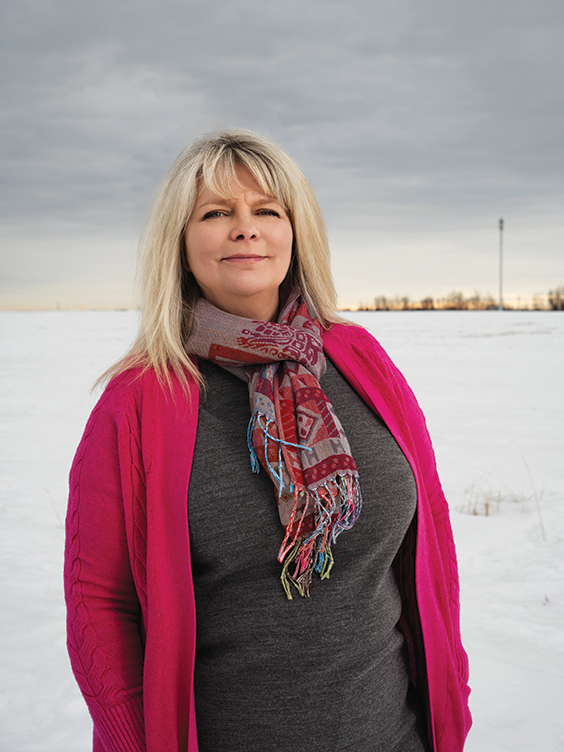
“I think there’s a perception that St. Albert is a high-tax community,” she says. “I would say we’re a little bit higher than the region. But the perception needs to be changed — and this will help by pushing some of the tax dollars onto the businesses and not the people.”
“Lakeview is very important for our future tax assessment,” says Patricia Nicol, the manager for investment attraction and growth for St. Albert Economic Development. “We’re very heavy on the residential side, up until now. We need to balance that out, so there’s a better tax split between our commercial, industrial and residential. It’s going to make St. Albert more attractive for people to come here and work here, all of it.”
Itani says a developer can never “build in silos” and that the attraction of this two-tower project is to be part of a complete community.
“We’re going to see more hubs develop where people don’t have to commute half an hour or 45 minutes to get to work,” she says. “For a while, people were thinking that you didn’t have to build businesses next to housing because people are going to work remotely. That worked for a short period of time, and there are professions where that’s really great. But there’s a lot of professions where it doesn’t work. So, how do we support people having a better work-life balance? And I think it’s by placing businesses and opportunities for housing closer together, that’s for sure.”



Rohit donated 25.5 acres for a community amenities campus that will be located at the north end of Cherot. So, the subdivision will be sandwiched between Lakeview and an area designated for park space and recreation.
And, while the goal is to create a community where many residents could walk or bike to work, the fact that Lakeview is close to rail lines, the Anthony Henday and Ray Gibbon Drive makes it easy to access. The province plans to shift Highway 2 from St. Albert Trail to Ray Gibbon Drive in the future. And Villeneuve Airport is close by.
Heron and Nicol believe Lakeview, all in, could bring $1-$1.5 billion in economic benefit to the city.
“We’ve been pushing staff this whole term,” says Heron. “Faster, faster, faster, we want this. There will be a little bit of pride for this council to all stand there with little shovels in the spring, when we start the servicing.”
This article appears in the April 2025 issue of Edify