
Your living room gives a mostly Scandi sensibility with its clean lines and smooth surfaces. But some of your pieces are knock-offs that are more particle board than teak. And maybe you like Swedish minimalism less than you used to. Add to that, Mom and Dad are downsizing and you are suddenly the owner of a few new-to-you vintage pieces. For the most part, you grew up with these items and find them clunky and dated, and they are certainly not Scandi-cool. But there is something in that speckled oak 1980s octagonal sidetable that speaks to you. And that faded, stuffy chair that you hid under as a kid — did it come from Grandma’s house originally? You never really appreciated the intricately carved crest rail before. How do you make this mish-mash of eras and design work together?
Combining contemporary pieces with antiques can be tricky — but lucky for you, there are interior designers who specialize in this very thing. Designers Sherri Schmidt, Laurie Murphy and Trevor Compton, who launched Circa Home in the spring, have spent years helping people find the balance between old and new.
“We help clients decorate their homes with all aspects considered, such as lighting, furniture, carpets, accessories, bedding, wallpaper, light fixtures — you name it,” Compton says. Often that starts with refurbishing a sentimental piece, perhaps an inheritance or something interesting that you picked up at an auction.
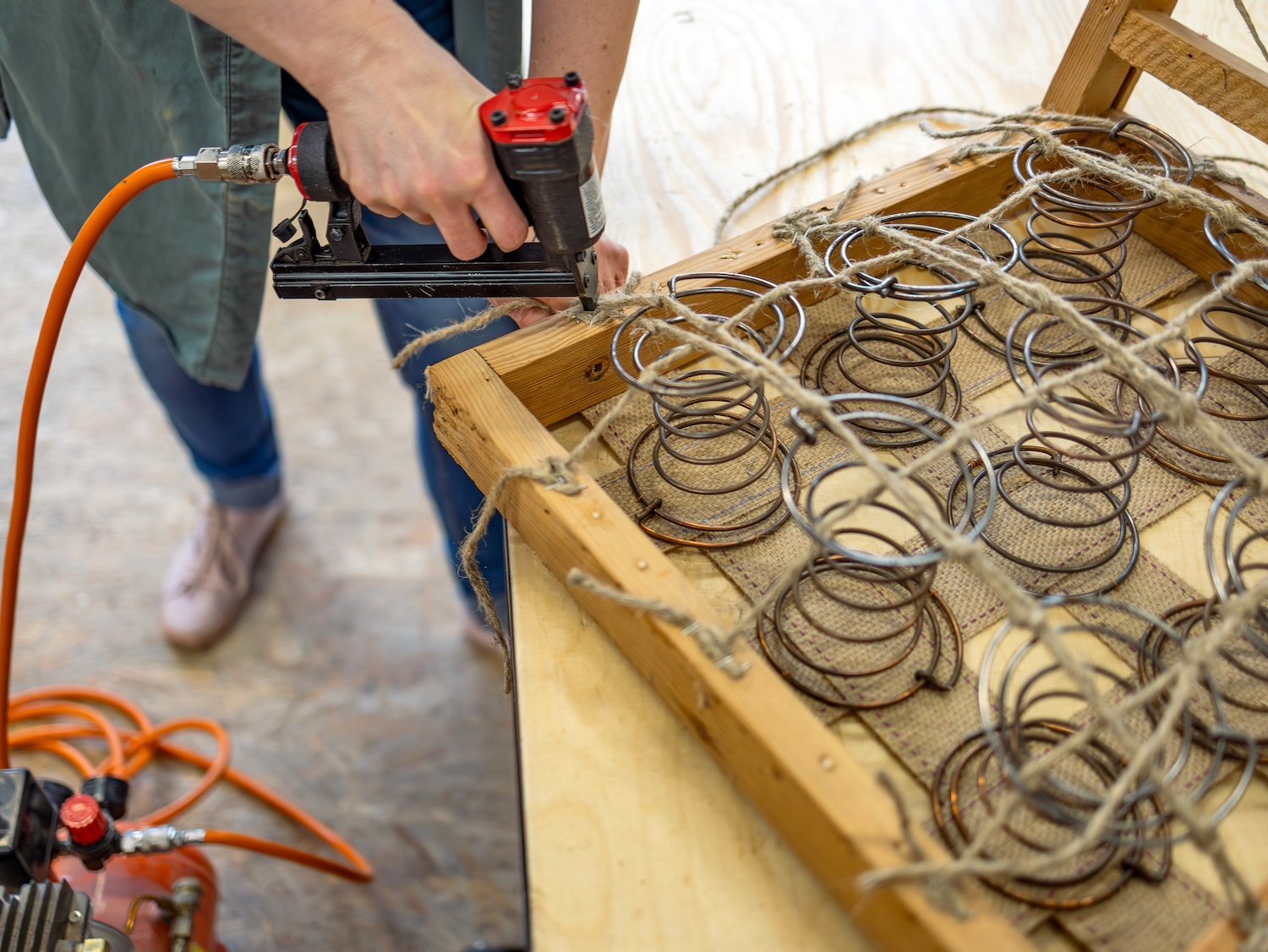
“The older furniture, depending on the era, was often better made with better materials,” Compton explains. “The wood would be hardwood and the springs would be of a thicker gauge steel, so those pieces are worthy of being recovered.” If it’s a new piece, and it’s already falling apart, don’t spend money trying to revive it.
“We gravitate to the older pieces when we’re reimagining a vintage piece,” he says.
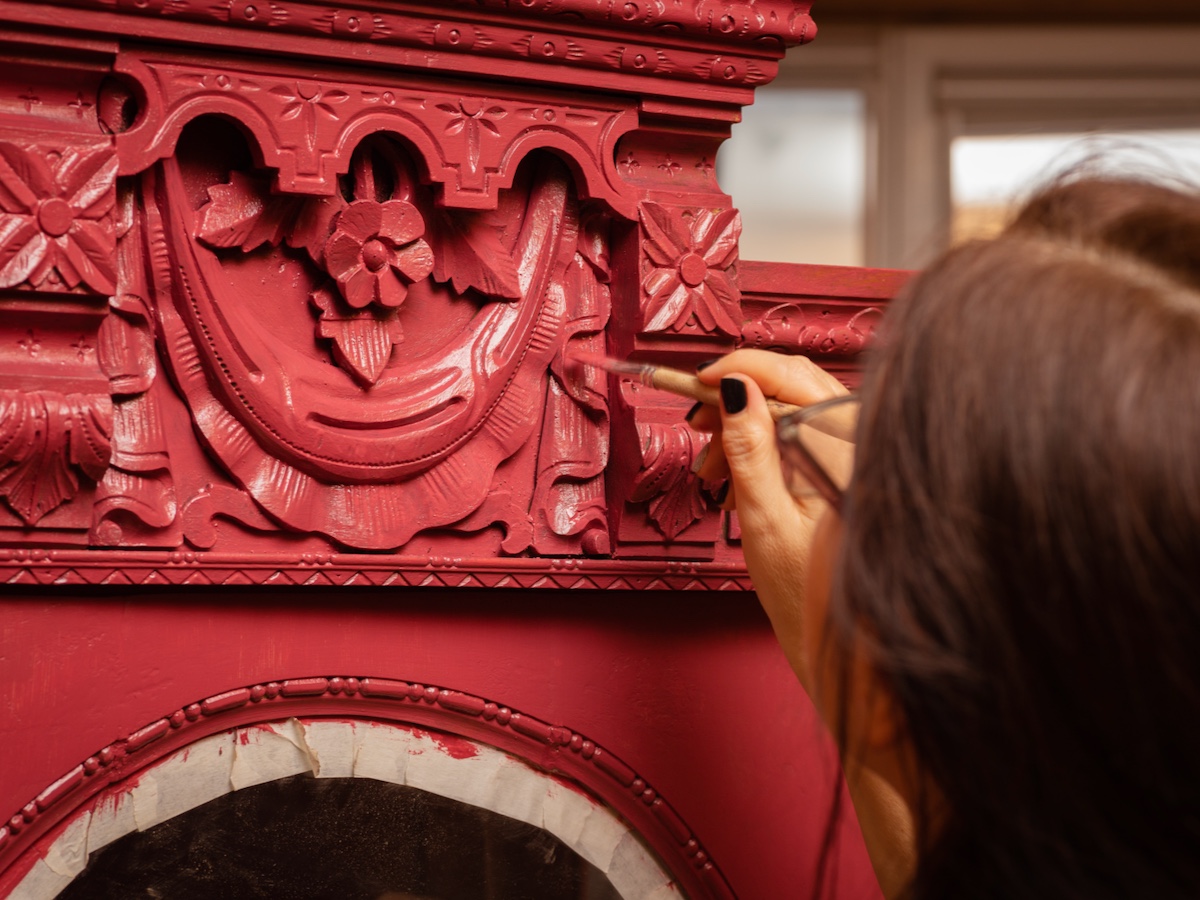
And those clunky octagonal side tables? “Some people are reimagining them in a painted finish, and even decoupage has become popular again. The style of the piece is worth reimagining in a way that gives it a new life,” Compton says. “It’s smart because it stops things from going into the landfill that can have another life with a new skin.”

When looking at pieces to repurpose, consider style, material and design aspects. “Maybe it’s transcended time to a point where it was once so popular that it has almost had a rebirth,” Compton says. “Maximalism is back. People are wanting to put lots in their home, and show sumptuous add-ons and materials that we wouldn’t have seen a few years ago.”
Schmidt advises that you can get started down the design road before consulting an expert.
“Start by sourcing images of designs and looks you like,” she says. Scroll Pinterest and Instagram and tear sheets out of magazines. She says to include images of colours and patterns that appeal to you, as well as historical images. “Even if you think the images have nothing in common, we can often discern a pattern.” It will help you narrow things down in a dizzying array of design choices.
And that chair from Grandma’s house? A designer can advise on how to refurbish it, and choose other pieces that will flow from that decision, including new fabrics, wallpaper and other items. “If clients don’t know how to achieve that look or where to begin, we can help them. We’ve mastered the art of mixing old and new.”
There’s one more thing you can do to make your life easier, according to Schmidt. “It’s equally important to know what you don’t like.”
Compton advises people to experience their favourite Instagram looks in real life in living rooms and show rooms, because what looks good online might not look good in your space. “Everybody needs to get out of their comfort zone when they’re redesigning their home or making some changes.”
Circa Home
Garside Industrial | 11610 149 St NW, Edmonton