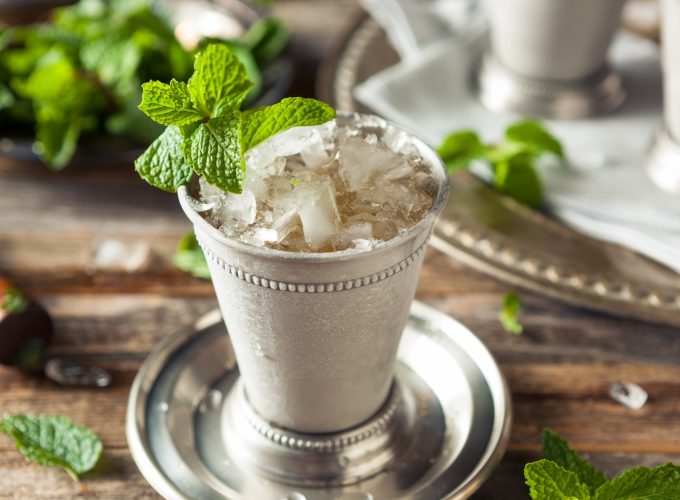

“We do a lot of infusions. We have one called Funky Music that has a goat cheese clarification to give it a different flair,” says Van Allen. “We have an ‘I Dare You’ menu, which is quite pricey with drinks starting at $50 and one going all the way up to $1,000.” If you’re looking to spend that much, get the Louis XIII 24K Old Fashioned, mixing together Rémy Martin Louis XIII cognac, angostura bitters and gold leaf. For patrons looking to explore but spend a little less, $50 will buy the Cambridge Truffle Negroni, a spin on the Italian classic with Cambridge Truffle gin, Carpano Antica Formula vermouth and Campari Cask Tales.
Van Allen says part of running a speakeasy-style bar successfully lies in reading what different patrons want. “Some are here to immerse themselves in each other, for them you need to be a little bit invisible,” she says. “Then there are the cocktail nerds who want to talk and know everything at the bar.”
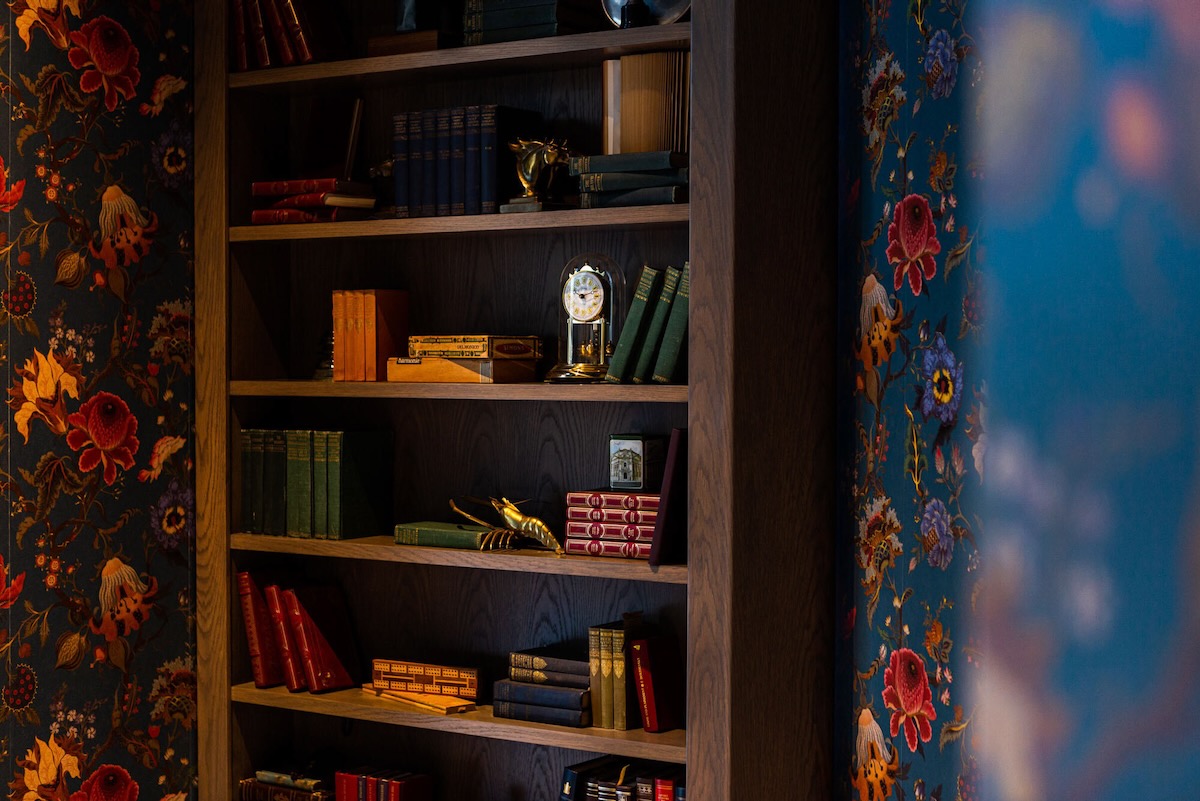
A modern speakeasy sets the mood by creating a clandestine space hidden inside another business, like Alchemy inside the Marriott. Other such hidden bars in Edmonton are Little Hong Kong inside Bajiu, Fu’s Repair Shop with it’s retro-vibe entryway and pop vending machine doorway and the Red Door inside of The Art of Cake.