
After attending a Friday night movie with my family recently, our preoccupations turned to what we were going to eat. And, at 8:30 on a cool evening, the answer was undeniable: hot pot. This is one of my favourite meals when the weather gets crisper. Our recent outing reminded me why: it’s comforting sitting around a bubbling pot of broth, cooking, eating slowly and sharing some tea — both the drinking and spilling kinds.
There are many great hot pot spots in the city, but my favourite is Chinese Hot Pot Buffet, where everyone knows our names. Or at least my mom’s name.
“You just missed your mama!” is a common refrain from the servers on days I show up without her.
If you’ve never had hot pot before, the experience can seem overwhelming. There’s a boiling pot in front of you at your table, dozens of raw ingredients to choose from, different utensils for cooking and eating and an entire station of sauces that could induce decision paralysis.
The good news is that there are no hard-and-fast rules, and once you understand a few basics, hot pot becomes a choose-your-own-adventure meal.
The broth is the foundation. A good starter broth is a clear pork or chicken broth, often flavoured with ginger, scallions and goji berries. Depending on the restaurant, you might find satay, lamb and herb, vegetarian or other specialty broths.
If you really like spice, Sichuan broth is worth trying. But be warned: it’s not for the faint of heart. Sichuan peppercorns create a numbing, tingling sensation that builds as you eat. If you’ve never tried it before, start cautiously.
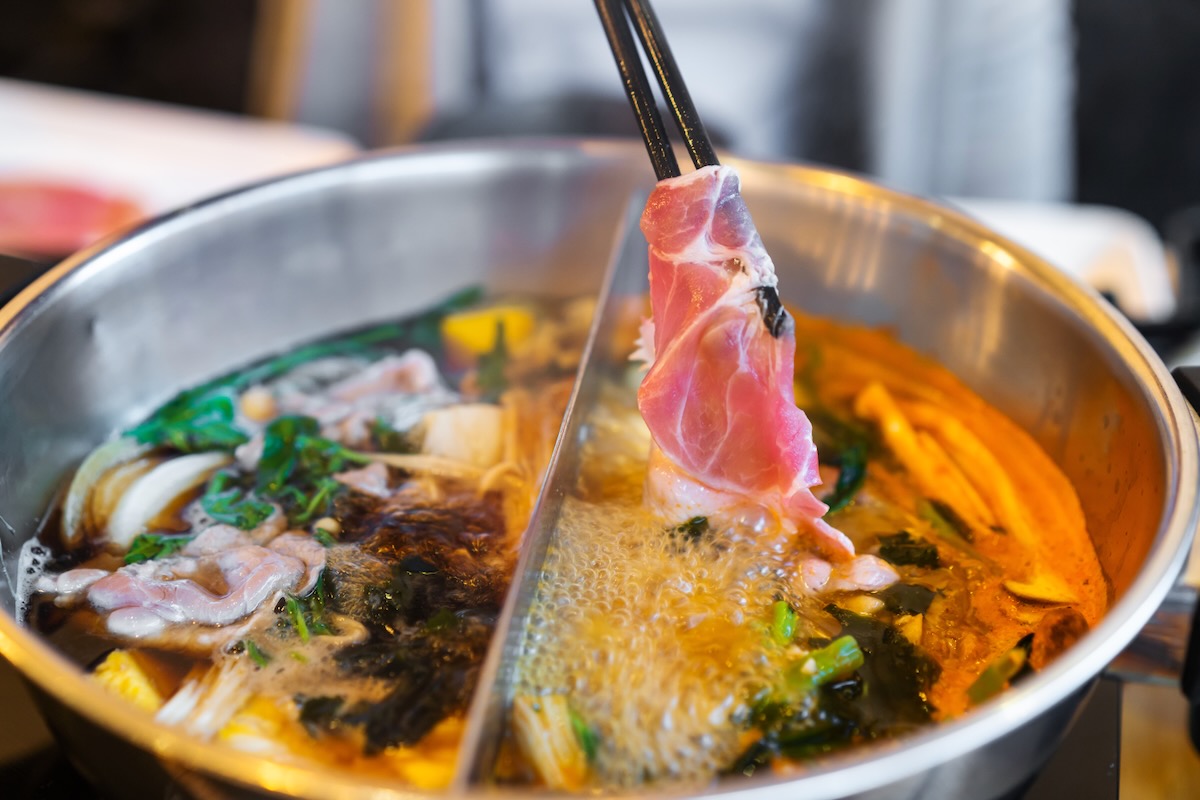
Some restaurants offer split pots, which lets you try two broths. Whichever broth you choose, wait until it’s properly simmering before adding your ingredients.
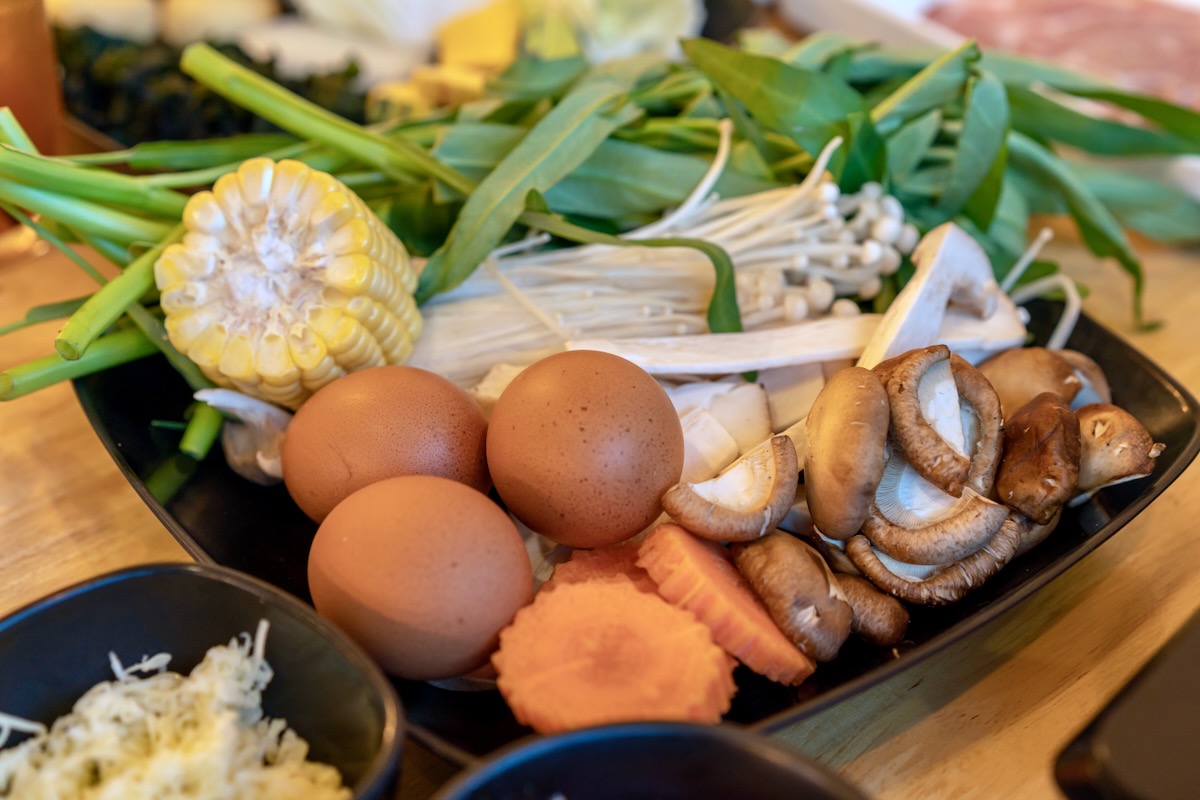
There’s a bounty of veggies to choose from that fall into three general categories: leafy greens and cabbage, mushrooms and root or crunchy vegetables.
My hot pot will never lack pumpkin pieces! I add those first along with other heartier vegetables — carrot, daikon, lotus root and taro — that take longer to cook. For leafy greens, there’s napa cabbage, bok choy, spinach, watercress, choy sum and crown daisy. Mushroom options can include enoki, shiitake and king oyster.

Most hot pot meat is sliced paper-thin, which means it cooks quickly, so add it after the veggies are cooked through. Try a combination of lean and fatty cuts for variety. Beef, pork and lamb are common choices, and you may find different cuts depending on the restaurant.
Seafood lovers will often find shrimp, fish fillets, fish balls and scallops. These items are brought to the table raw, so you should be familiar with what they look like fully cooked: there’s no grill, all the cooking occurs in your boiling broth.
My personal hot pot isn’t complete without noodles, and I suspect I’m not alone.
There are lots to choose from, including ramen, vermicelli, udon and sweet potato noodles. Pro tip: I add a little at a time rather than throwing the whole serving into the pot at once.
In my family, it’s not hot pot without my mama keeping an eagle eye on our pots to make sure nobody overcooks the noodles or adds them too early.
“It makes your soup too starchy,” she says, watching skeptically as my partner and I add our noodles into our respective pots.
But we love creating the perfect bite of noodles, meat and veggies, so we don’t heed her advice, even though she’s right.
The sauce station looks like the most complicated step. You spoon the sauce into little compartmented serving dishes, take it back to the table and dip your cooked bites in it. There are so many to choose from. Start with a little and experiment. Try sesame paste, soy sauce, garlic and cilantro or green onion. Add chili oil if you want more heat. Need more garlic? Add more garlic. Just want soy sauce? That’s fine, too.
My favourite combination is an ungoverned mix of sesame paste, soy sauce, garlic, XO sauce and a lot of cilantro. If there’s shacha sauce available, I’ll add that. (It’s savoury, a bit spicy with garlic, shallots and chili oil and tastes similar to satay.)
Don’t overthink it. Make a small amount of sauce, taste it and adjust.


The best way to enjoy hot pot is to take your time. Cook some veggies and a few pieces of meat, ladle the mix into a small bowl, eat and repeat.
Most hot pot restaurants either offer an all-you-can-eat option or let you order a set number of items from the menu. Some have an a la carte special during lunch and late evening hours — siuyeh, or a late night snack/meal in Cantonese.
There’s no single way to do it. That’s what makes hot pot fun.
Chinese Hot Pot Buffet
Pleasantview | 5420 Calgary Trail NW, Edmonton | chinesehotpotbuffet.com