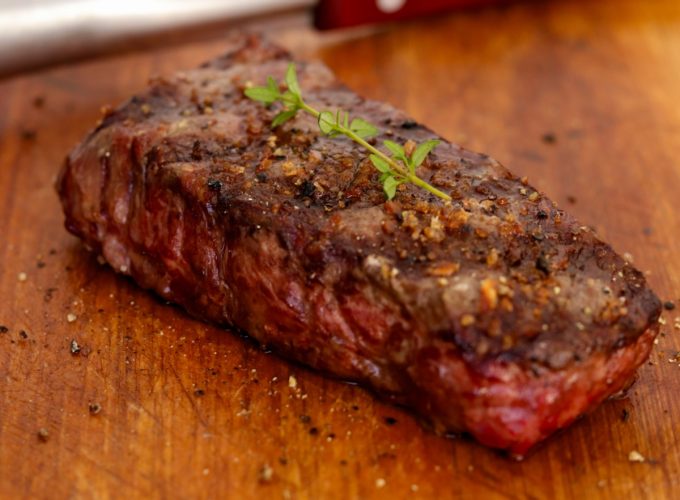

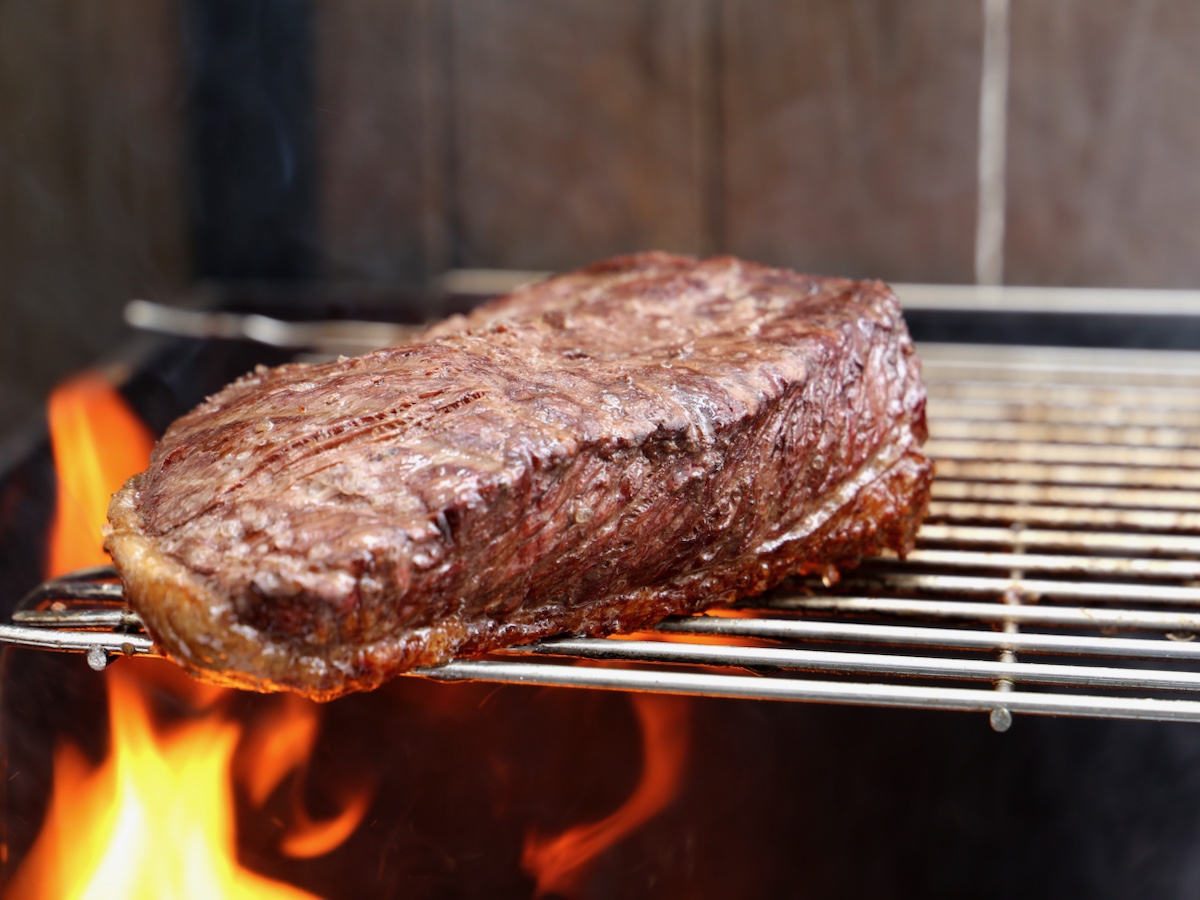

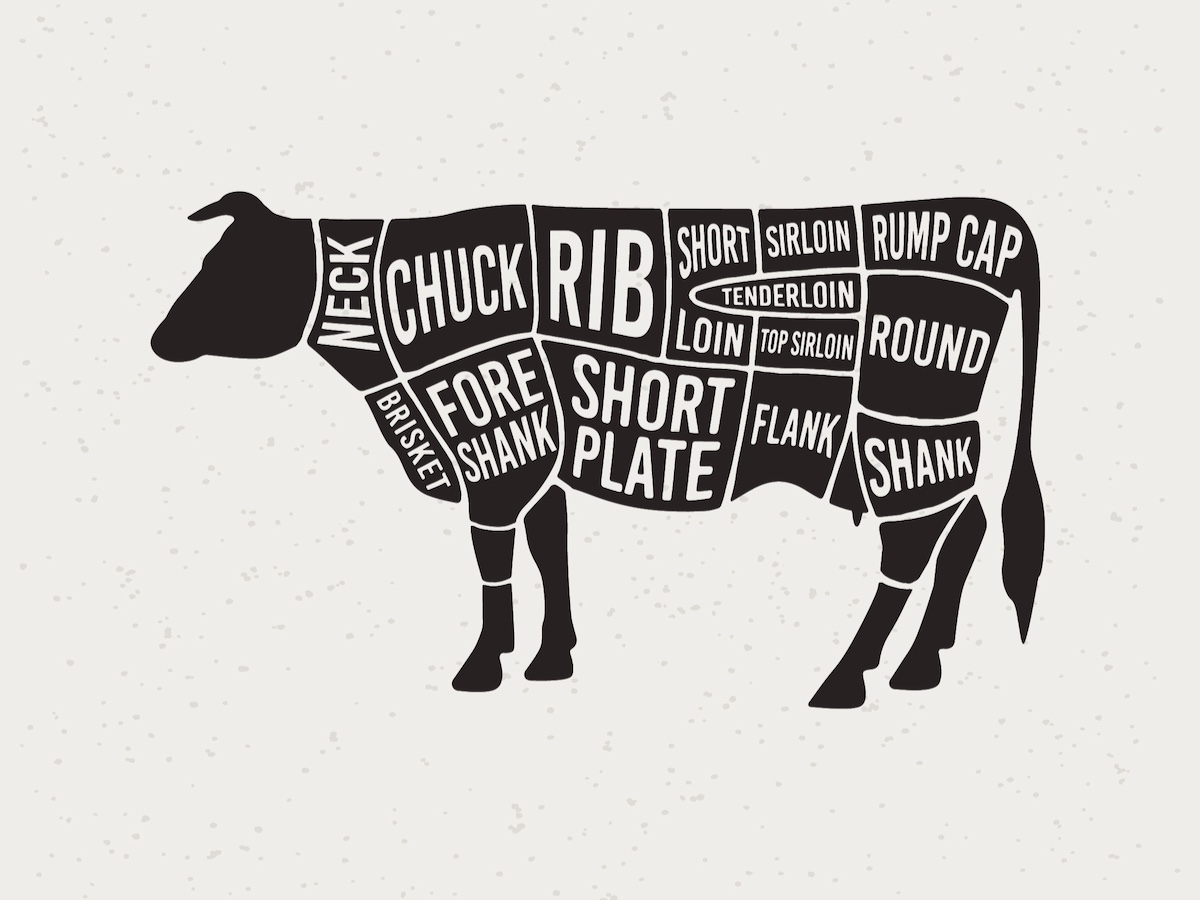
First, the hard way. If you are grilling this cut Brazilian-style, start by preparing a grill with charcoal, preferably from wood, and bringing the meat to room temperature. Then pat the steaks dry, and working one at a time, season and fold them over into crescent shapes, with the fat cap on the outside of the fold. Add each folded steak to a heavy metal skewer stacking them crosswise, and grill them together over the prepared charcoal grill, until they read medium rare on a meat thermometer (about 130 F to 135 F).
But you can make a picanha a little more simply. When Van Leewen prepares this cut at home, he fires up his grill. “I start with a pretty high temperature, season the steak and sear both sides for about one and a half to two minutes,” he says. “Then I move it to the top warming rack. Because it’s off the grill, and it’s like finishing it in the oven.” He leaves the steak on the top rack for about five minutes a side, until it’s medium rare. “Then pull it out and let it rest for a few minutes before serving,” he says.
If you want to keep with the South American vibe, serve this steak with some chimichurri sauce. Add a cup of olive oil, a quarter cup of lemon juice or white wine vinegar (or a combo of the two), two to four garlic cloves, and a cup of fresh parsley (or a mix of parsley and cilantro) to a blender. Add salt and pepper and purée it. Serve alongside the steak in a little pitcher or a bowl with a serving spoon. You’re welcome.
Ben’s Meats
Poundmaker Industrial | 10516 184 St NW, Edmonton | bensmeats.com