
Welcome to part three of Edify’s summer steak series. (Our first featured cut was a Denver, and the second was a picanha.) Today we are shopping for a flank steak. Before you say “tough” Mike Popowich has a few things to tell you about this cut.
Popowich, who owns and operates Popowich Meat Company with his wife Treena, has been in business for seven years and brings a wealth of knowledge about quality meats and preparation techniques.
“Flank is one of my favourite cuts,” says Popowich. “It’s just got a lovely texture and beefy flavour.” He adds that while beef prices have been rising, “it’s still one of the reasonably economical cuts.”
Even if you have never grilled a flank yourself, you might have ordered carne asada at a Mexican restaurant, and appreciated the rich flavour and perfect texture of this cut. But don’t relegate yourself to ordering it at a restaurant when you can take some home and master cooking it.
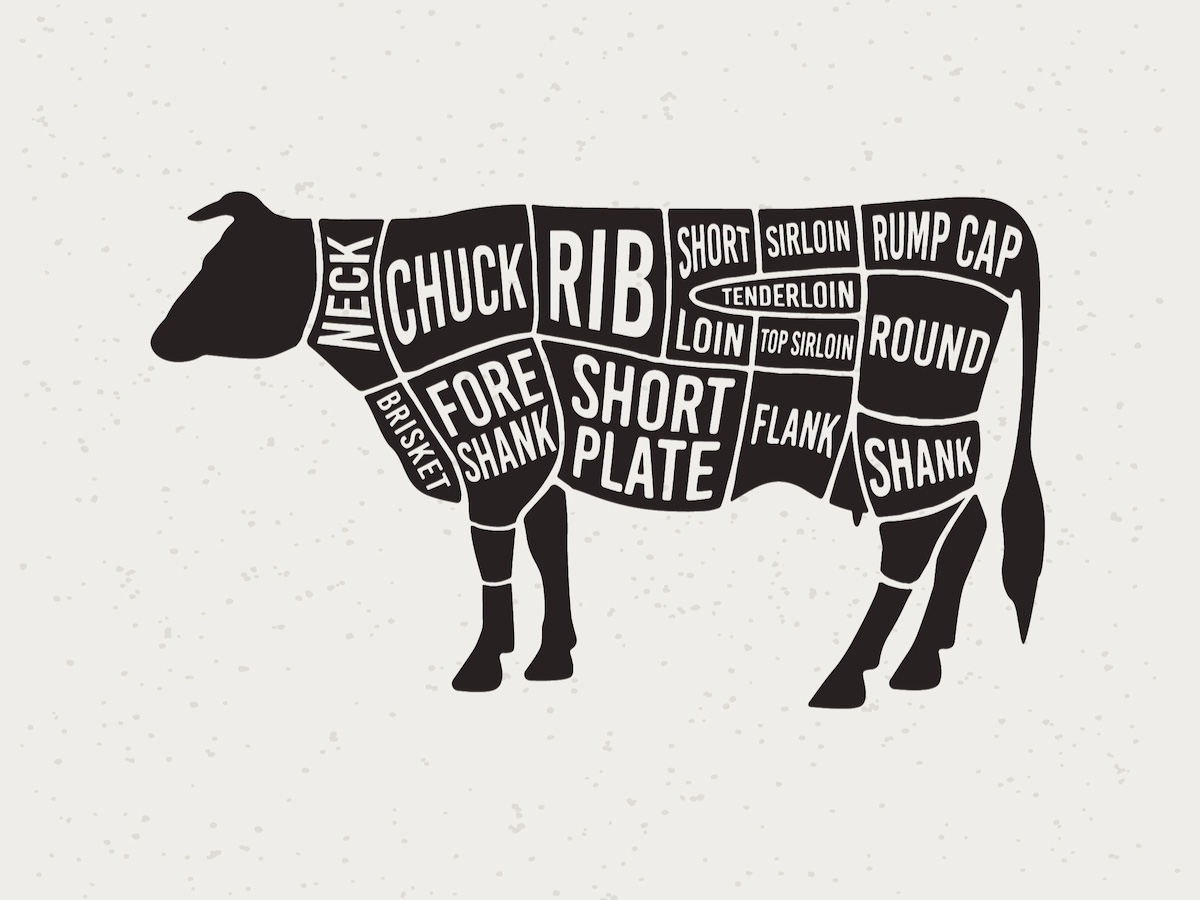
Appearance-wise, the flank steak is cut from a wide, flat oval muscle that comes from the animal’s hard-working side abdominal area, so it is very lean. A flank steak will often have silverskin, a tough membrane, attached. If you are ordering from a butcher you can request them to remove this.
One thing you will notice when you are looking at your flank steak is that the grain of the meat is obvious: it runs in long, uninterrupted lines, and this is important when it comes time to slicing your cooked steak later. Popowich recommends that you order about half a pound of meat per person you are feeding, to keep the guesswork out of it.
“It requires some specific cooking to make sure you get the best out of it,” Popowich says. “It’s not that complicated once you know how to cook it and, more importantly, slice it properly.” He suggests that first you decide if you want to dry-season or marinate the meat; both methods have merits.
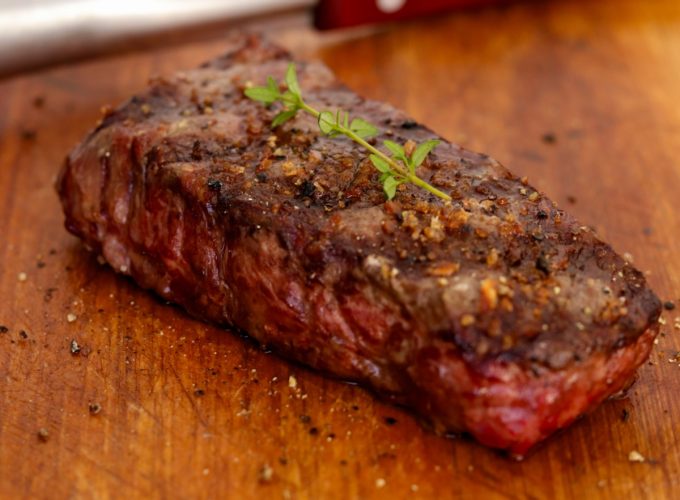
For a dry seasoning, start the day before you plan to cook and serve the steak. Pat the steak dry and season it with salt and whatever spices you like. “Then refrigerate it uncovered for 24 hours,” Popowich says. “This will help dry it out a bit.” Leaving it uncovered means excess moisture won’t collect and create unwanted steam during grilling.

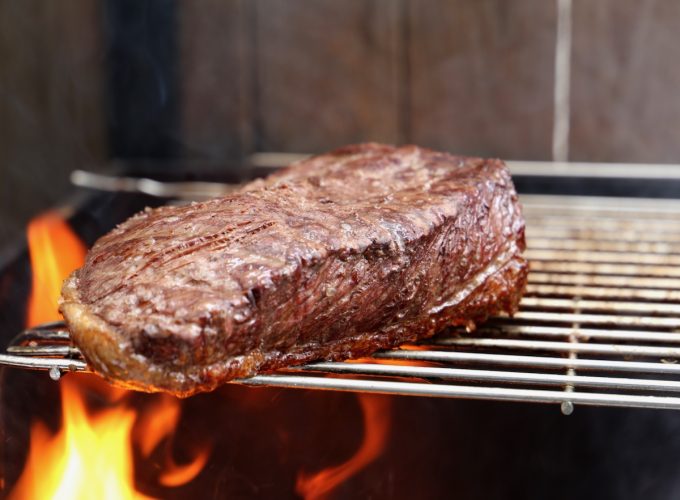
“A dry seasoning will help form a bit of crust and develop texture on the grill,” Popowich says. “You want to cook it hot and fast.” He advises removing the steak from the grill when the internal temperature measures 125 F to 130 F on a meat thermometer. From there, let it rest for a few minutes before slicing.
“But a flank also takes a marinade really well,” he says. “A soy-based marinade works great, if you add some garlic and ginger. Or use an acid-based marinade with balsamic or other flavoured vinegar, or a citrus-based marinade to penetrate that meat.” Popowich says you can marinate the steak for longer, 12 to 24 hours if the marinade is not acidic. “If your marinade has a vinegar or citrus base, that can start to ‘cook’ the meat a bit,” he says. “So shorten the marinating time to about four to six hours.” When you are ready to cook the steak, shake the marinade off and discard the excess, then proceed to grill. Other cuts with more marbling are forgiving in terms of doneness. “But you don’t want to cook flank more than medium rare,” he advises, “or it’ll get a bit chewy.”
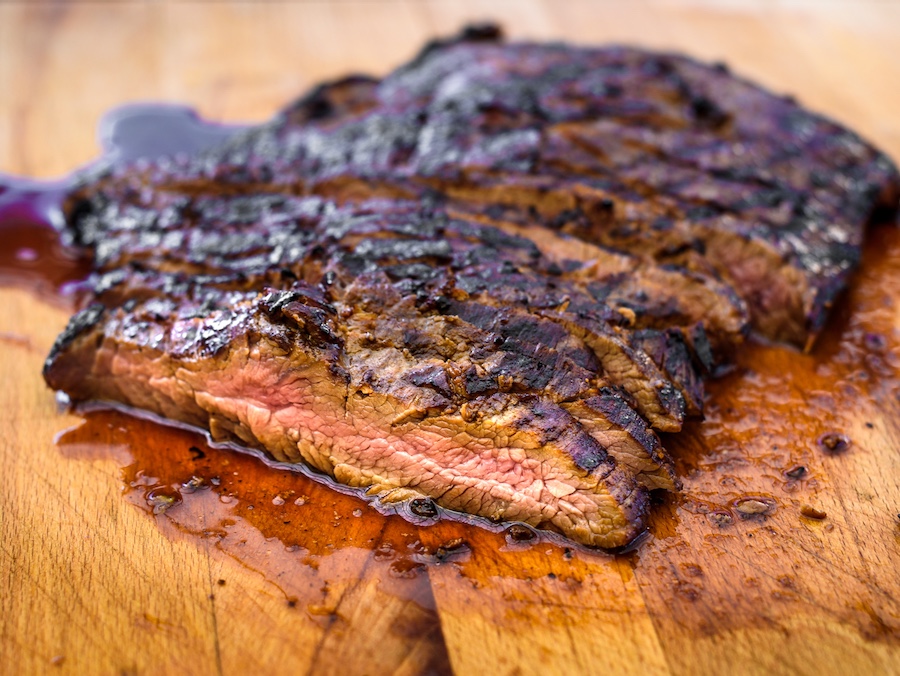
Remember: how you slice a flank is as important as how you season and grill it, and this applies whether you are using dry seasoning or a wet marinade. Place the cooked steak on a board and start with a sharp knife. Line it up so the blade of your knife is perpendicular to those long visible fibres — the grain of the steak — and slice it in about quarter- to half-inch thick cuts across the grain. Slice it on the bias, so you are making your downward cuts at a slight angle rather than straight down.
Instead of adding steak to each plate, serve it family-style on a platter at the centre of the table so people can serve themselves. Popowich says sliced flank is also great in soft or hard tacos, burritos, on top of a salad, in a stir fry or alongside roast veggies and potatoes.
“It’s super versatile!”
Popowich Meat Company
Oleskiw | 6853 170 St NW, Edmonton | popowichmeatcompany.ca