When Troy Lymburner, a culinary arts instructor at NAIT, and his wife were first dating, they went on a camping trip. All these years later, she still remembers the meal he packed for their first night under the stars.
“Once we got to our campsite and set up, I pulled ceviche out of the cooler,” Lymburner says, talking about the raw, marinated fish spread he had prepared. “That’s what we had for our dinner. She always gives me a hard time about that. She’s like, ‘Who in their right mind…’ But that’s as creative as I’ve ever gotten, I guess you could say.”
Many years after serving that ceviche on a picnic table, Lymburner has honed his camp cooking — and has some advice to share.
Keep it simple
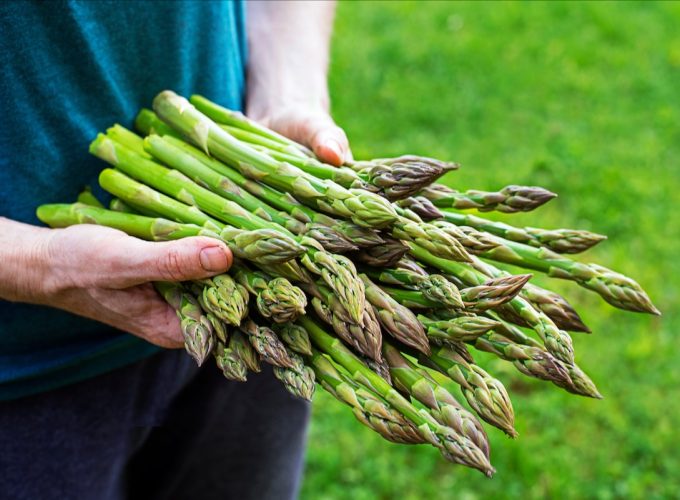
It might seem counterintuitive coming from a chef, but Lymburner encourages campers to lean into packaged vegetables. Bagged baby carrots, potatoes or salad? They’re easy, nutritious, and cut out a lot of prep. Save your effort for the meat of the meal.
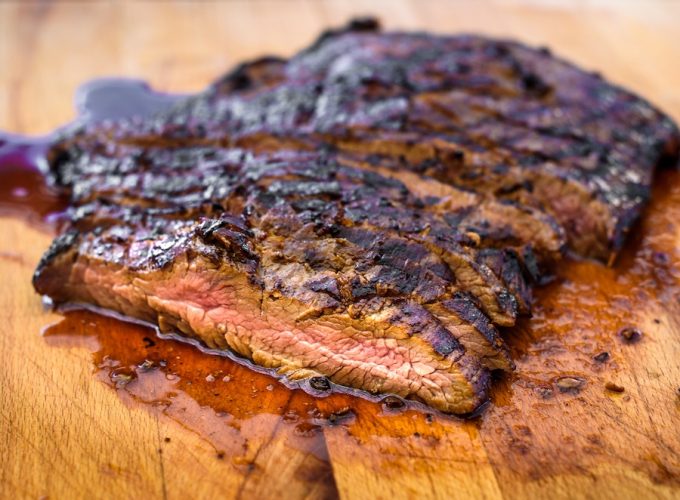
“I would definitely cut all the meat ahead of time, put it into a Ziploc bag and either freeze it or, if I’m going to be cooking it in the next day or two, I would leave it,” he adds. “You can even pre-marinate it. But the last thing I want to be doing is cutting meat while camping.”
Forgo flames on food
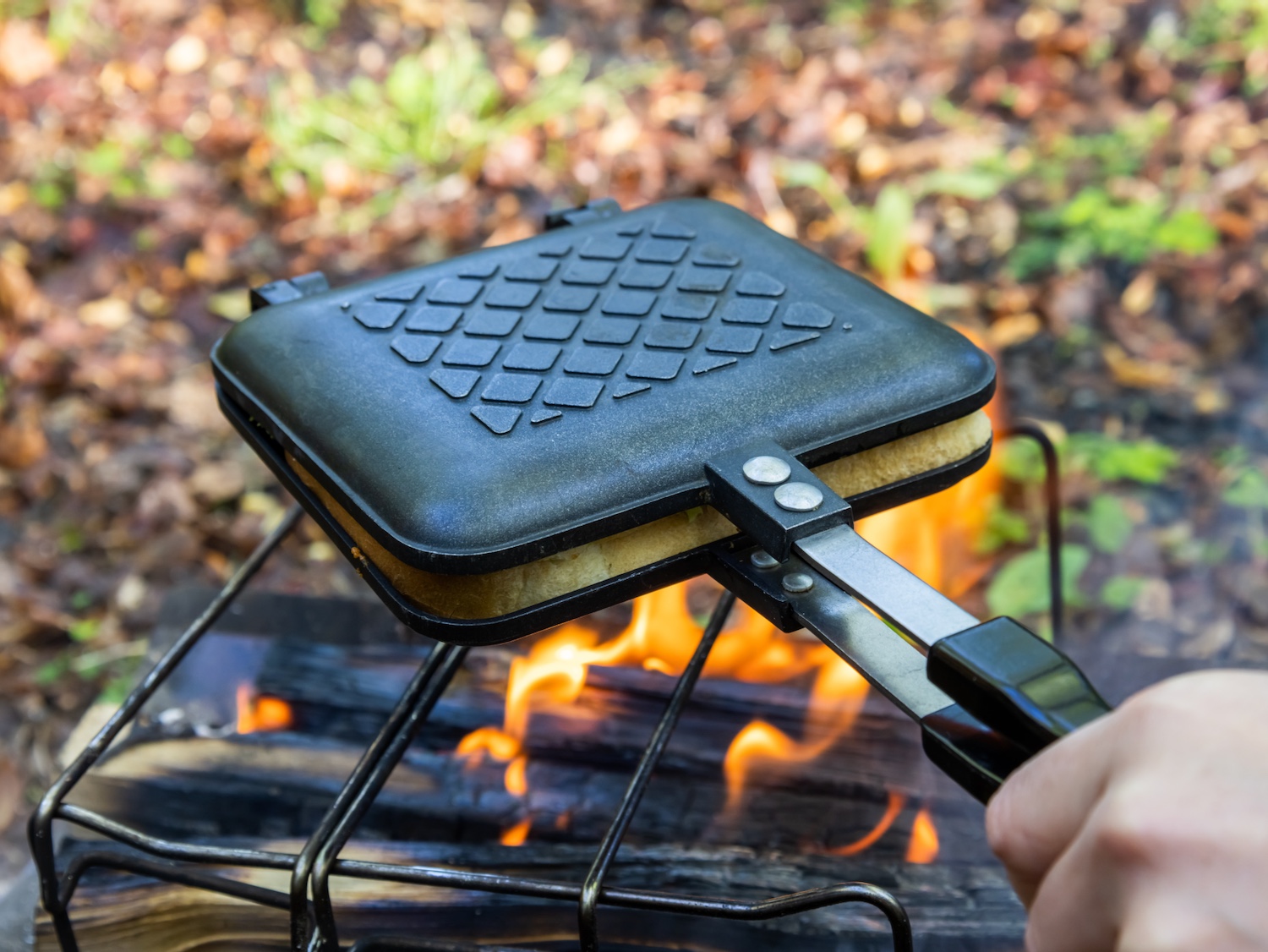
While Lymburner has counted on his trusty Coleman stove for front-country camping trips over many years, there’s also an art to cooking over a campfire.
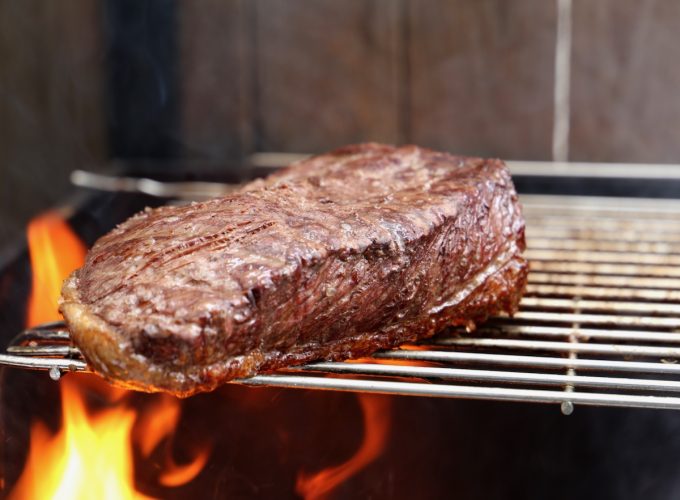
“I think the biggest mistake people make is not waiting for the fire to die down into coals,” he says. “Open fire with flames is not really the best. It leaves a char, black soot, on your food and it’s not really tasty at all. The best thing to do is have patience. Start with a good amount of wood, let it die down to a nice bed of coals before you start cooking, then you can always add to the fire, as long as it’s on the opposite side of where you’re cooking.”