
It’s the strong, beefy flavour and intense aroma that make a well executed grilled skirt steak memorable. That’s why we’re featuring it in Edify’s summer steak series. With little marbling, this is a cut that needs care and attention during preparation, according to Chris Bradshaw, an instructor in the Professional Meat Cutting and Merchandising program at NAIT. This cut requires your focus but Bradshaw says that it’s not hard, even if it’s new to you. (See our past featured cuts: the Denver, the picanha and the flank.)
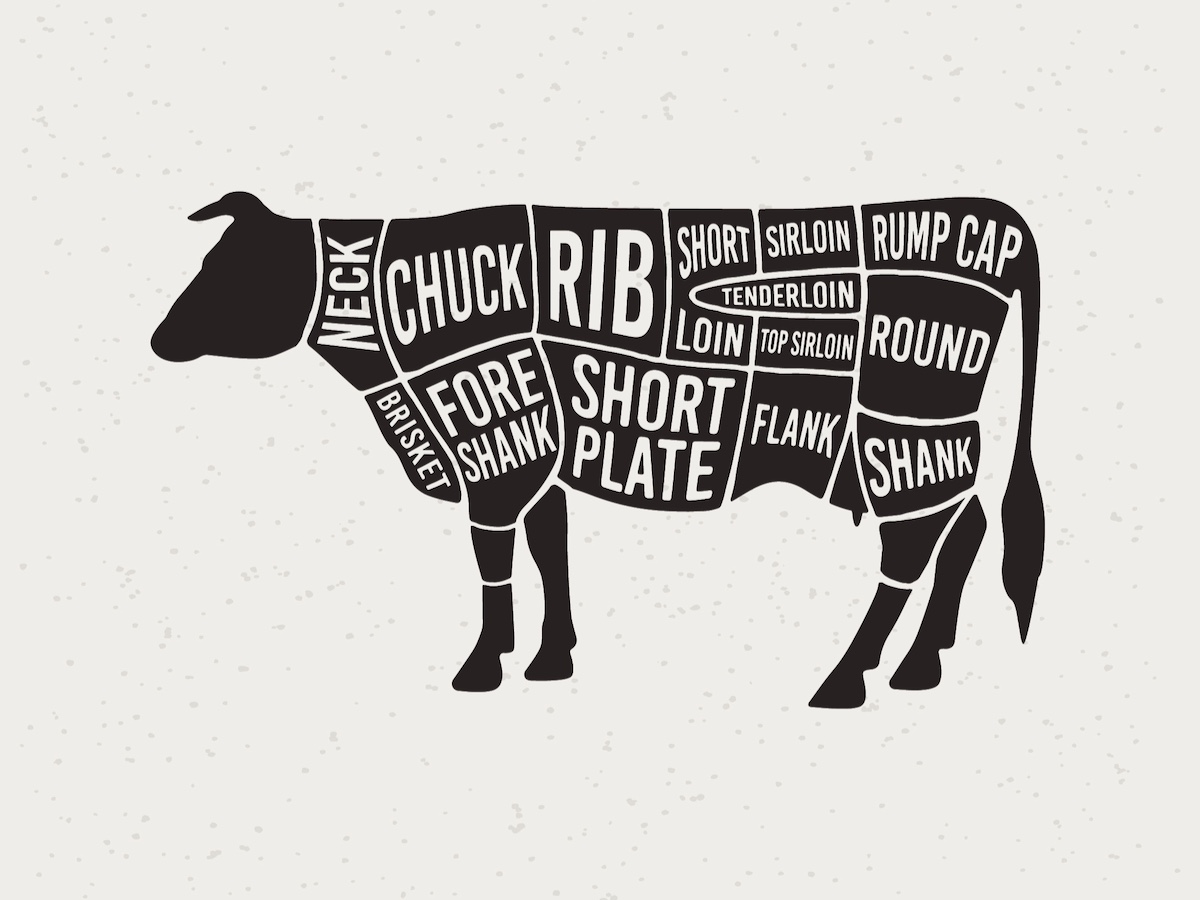
This steak is from the animal’s front midsection, just past the brisket and from an area sometimes called the short plate. This steak is made from long, flat muscles from the animal’s diaphragm. “There are two on each side,” Bradshaw says. He explains that there are about three or four pounds of skirt steak on any given animal, which is why you see it comparatively rarely in the meat section at the grocery store.
Another possible reason for its rarity may be its place in the export market. In Japan, the skirt is not categorized as a muscle cut — not a steak, in other words. Instead it’s categorized as offal, and therefore subject to much lower tariffs than other cuts on import to Japan, where it’s both an affordable and desirable cut, with a strong beef flavour profile.
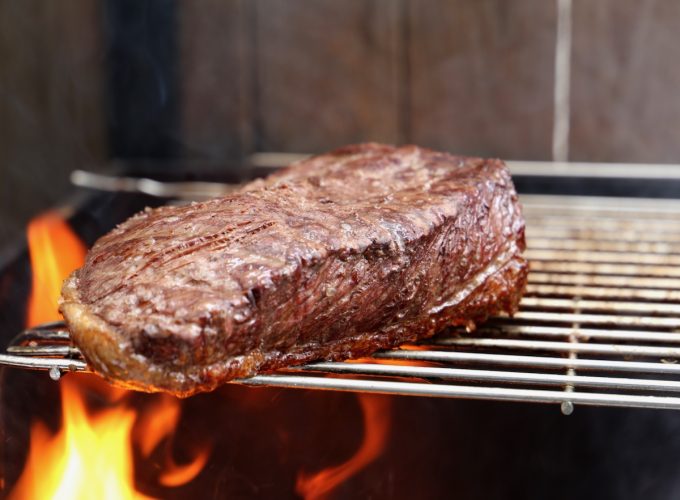
The skirt often gets mistaken for the flank, which is a different muscle in the animal’s back midsection, but the two can be cooked quite similarly. Bradshaw says you can braise a skirt, cooking it low and slow. “But I like to marinate it and then grill it fast over high heat to about medium-rare,” he says.
He says a marinade needs some seasoning, fat and a little acid (think vinegar or citrus) for flavour and to break down the connective tissue. The exact proportions of these will change depending on the dish you are serving. He recommends a long marinade for a skirt, 24 to 48 hours.
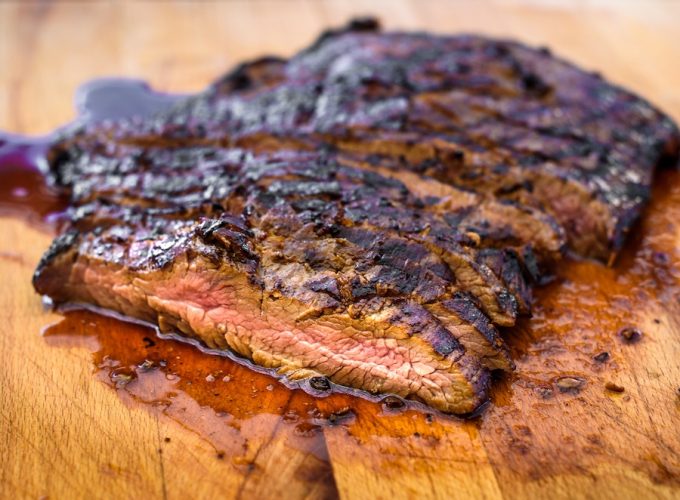
As with the flank, another lean cut, grill the skirt to about 130 F on a meat thermometer — don’t walk away, because that’s just a few minutes per side — then remove it from the heat and tent it loosely with foil to rest for about 10 or 15 minutes.

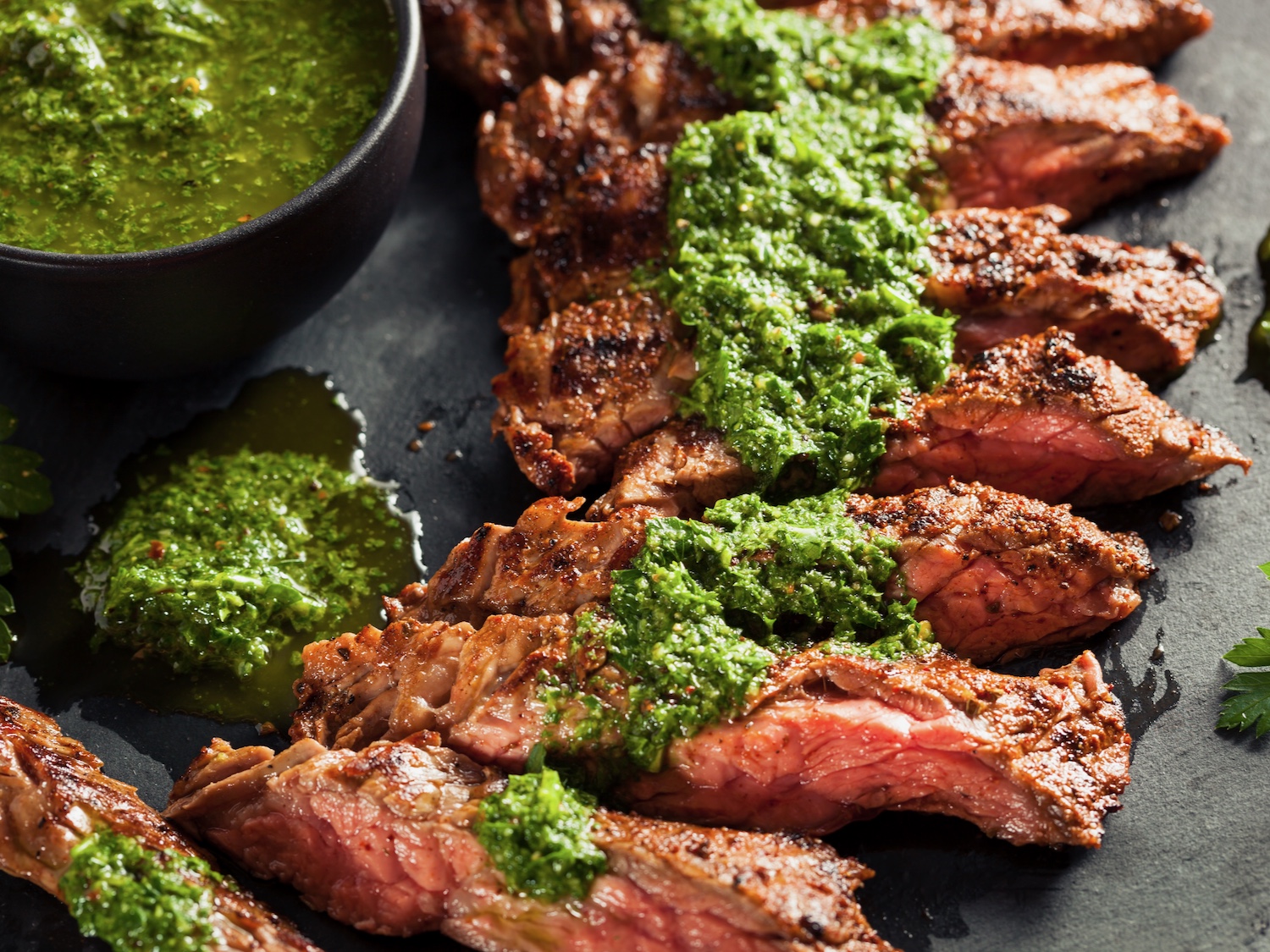
“Slice it thin across the grain,” Bradshaw advises. That means slicing perpendicular to the long muscle fibres. “When you do that, you are shortening the fibers, which makes the meat more tender.” You can serve it family-style on a platter, or by adding a few slices (four to six ounces) per plate. It’s nice served alongside a ramekin of chimichurri or a Thai peanut sauce. “Or you’ll see a lot of times it’s used for things like tacos and fajitas,” he says. “Then you can add any toppings you like — things like salsa, grilled onions and peppers.”
Bradshaw says that, while this lower-priced cut was once rare, it has become more common as people’s cooking habits have expanded — and as the price of beef has expanded. “When it started becoming popular about 10 years ago, it was typically done with a balsamic marinade and then served alongside a balsamic glaze, often on top of a salad,” he says. “I enjoy that flavour, it’s always a neat one for me.”
He says that because there is a limited amount of skirt on any given animal, “your best bet is to go to a local butcher, the ones that do whole-animal beef, and ask for it,” he says. “If you are planning ahead for a party, tell the butcher and he can set some aside in the freezer or reach out to other suppliers for you.”